
Propagation
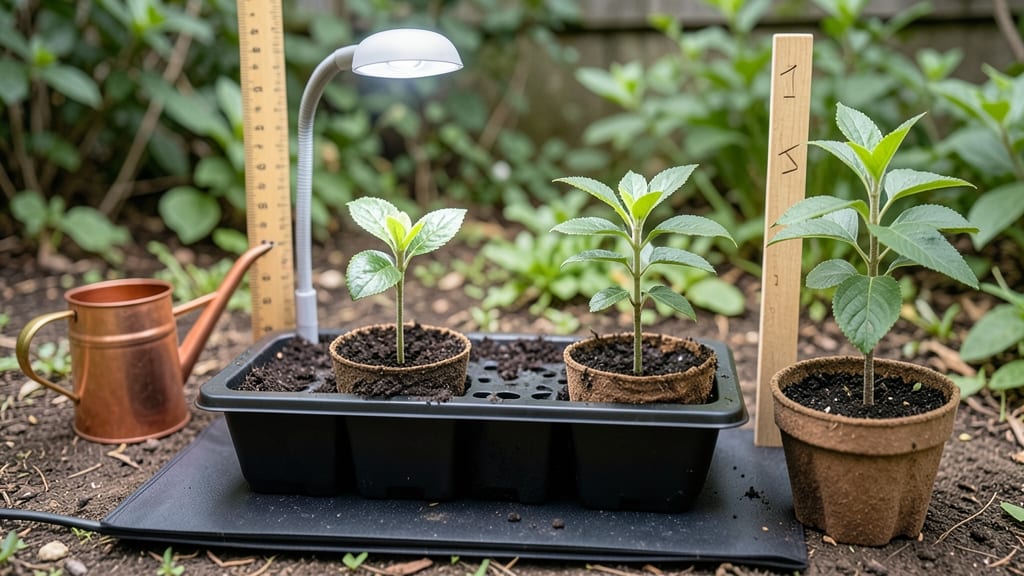
Growing a peach tree from a seed takes patience and the right conditions—expect 2 to 5 years just to see the first flowers, and another 2 to 3 years before you’ll taste fruit.
Ever wondered if that peach pit in your fruit bowl could one day grow into a tree bearing sweet, juicy peaches? The journey from seed to fruit is fascinating—but how long does it really take?
The answer depends on whether you’re growing from a seed or a grafted tree, and even then, nature has its own timeline.
Most peach seeds need cold stratification (a winter chill) to break dormancy, which means you’ll have to plant them in fall or early winter for spring germination.
Once sprouted, the first year is all about root and stem growth—you’ll see a 2- to 4-foot sapling by summer, but no fruit yet.
In this guide, I’ll break down the full timeline—from the 30-day germination period to the 5- to 7-year wait for your first harvest—plus the care steps that can speed up (or slow down) the process.
Peach seed germination timeline: from planting to sapling stage (step-by-step)
Growing a peach tree from seed is a rewarding but patient process. Unlike store-bought saplings, seeds require cold stratification and careful nurturing before they sprout. Understanding each germination phase helps you set realistic expectations and avoid common pitfalls like rot or stunted growth.
From the first crack in the seed coat to the first true leaves, here’s what to expect—and how to optimize each stage.
The journey begins with your peach pit. After enjoying a ripe peach, clean the seed thoroughly to remove all fruit flesh, then dry it completely. This step prevents mold growth during stratification.
Once dry, place the pit in a paper towel or damp sand, then refrigerate for 6–12 weeks to mimic winter conditions. This cold stratification breaks dormancy, a critical step for peach seeds.
Here’s a detailed breakdown of the germination timeline, including key actions and environmental factors to monitor:
Place cleaned peach pits in a sealed container with moist sand or peat moss (keep damp but not soggy). Store in the refrigerator (35–40°F or 2–4°C) for 6–12 weeks.
✅ Check weekly—seeds should feel slightly moist like a wrung-out sponge.
After stratification, plant seeds 1/2 inch deep in a well-draining potting mix (sandy loam works best). Use a small pot (3–4 inches wide) with drainage holes.
🌱 Ideal soil temp: 60–70°F (15–21°C)—wait until spring to plant outdoors in USDA Zones 5–9.
Sprouting typically occurs in 2–6 weeks after planting, depending on soil warmth and moisture. Keep soil consistently moist (not waterlogged) and place in bright, indirect light.
⚠️ Avoid direct sun—young seedlings are sunburn-prone.
The first leaves (cotyledons) appear in 4–6 weeks, followed by true leaves (serrated edges) in 2–4 more weeks. This marks the sapling stage.
☀️ Gradually introduce 4–6 hours of sunlight daily to harden seedlings.
Once seedlings reach 6–12 inches tall with 4–6 true leaves, transplant to a larger container (1-gallon size) or outdoors after last frost.
🌿 Outdoor planting tip: Choose a sunny, sheltered spot with well-draining soil (pH 6.0–7.0).
Saplings grow 1–2 feet per year in ideal conditions. Focus on deep watering (1–2 inches per week) and mulching to retain moisture.
✂️ Prune sparingly—remove only dead or crossing branches.
Environmental factors like soil temperature and moisture levels can accelerate or delay germination. For example, seeds planted in 60°F (15°C) soil may sprout in 2–3 weeks, while cooler soils (50°F or 10°C) can extend germination to 6–8 weeks.
Similarly, overwatering causes rot, while drought stress stunts early growth.
One common mistake is skipping stratification—seeds planted without cold treatment may never sprout or take years to germinate. Another pitfall is using freshly harvested seeds (from store-bought peaches), which often fail to germinate due to chemical treatments on the fruit.
Always use seeds from homegrown or organic peaches for best results.
By the time your peach seed reaches the sapling stage (6–12 months), it will be 3–12 inches tall with a woody stem. This is when the real work begins—patience is key, as it takes 3–5 more years to reach maturity and bear fruit.
But with the right care, your backyard could soon be home to a homegrown peach tree! 🌳
Peach tree growth milestones: years to first fruit and full maturity
Growing a peach tree from seed is a rewarding but patient process. While the first green shoots may appear within weeks, understanding the year-by-year milestones helps manage expectations. Most peach trees take 5-7 years to produce their first viable fruit, though some varieties may fruit earlier under ideal conditions.
The timeline varies based on climate zone, tree variety, and care practices like pruning and cross-pollination.
In Year 1, your peach seedling focuses on root development and establishing a sturdy trunk. You’ll see minimal height growth—typically 2-4 feet—but the roots spread widely to anchor the tree.
This stage is critical for long-term health, so avoid transplanting unless absolutely necessary. Mulch around the base to retain moisture and protect young roots from temperature swings.
By Year 2, your tree enters its trunk-thickening phase, growing 6-8 feet tall with more pronounced thorn formation. This is also when the tree begins producing small, sterile flowers—don’t be discouraged if they don’t set fruit.
Prune to remove water sprouts and shape the canopy for better airflow, reducing disease risk. Choose a sunny, sheltered location to support robust growth.
Between Years 3–5, your peach tree will flower profusely but often produce sterile or tiny fruit. This is normal—trees need time to mature their reproductive systems. During this phase, focus on pruning for structure and ensuring adequate nutrients.
Freestone varieties like Elberta may fruit slightly earlier than clingstone types such as Redhaven, but both benefit from cross-pollination with another peach variety nearby.
By Year 6 or later, your peach tree reaches full maturity, typically 15–25 feet tall, and finally produces viable, sweet peaches.
The exact timing depends on your USDA hardiness zone: Trees in Zones 6–8 (ideal for peaches) may fruit as early as Year 5, while those in cooler Zone 5 might take an extra year or two.
In container growing, expect delays of 1–2 years compared to in-ground planting due to root restriction.
To accelerate fruiting, prioritize regular pruning to remove dead wood, thin crowded branches, and open the canopy for sunlight. In warmer climates (Zones 9–10), peach trees may produce fruit as early as Year 4, but they’re more susceptible to bacterial spot and peach leaf curl.
Always choose disease-resistant varieties and monitor for pests like peach tree borers. With patience and proper care, your peach tree will reward you with a bountiful harvest for decades.