
How To
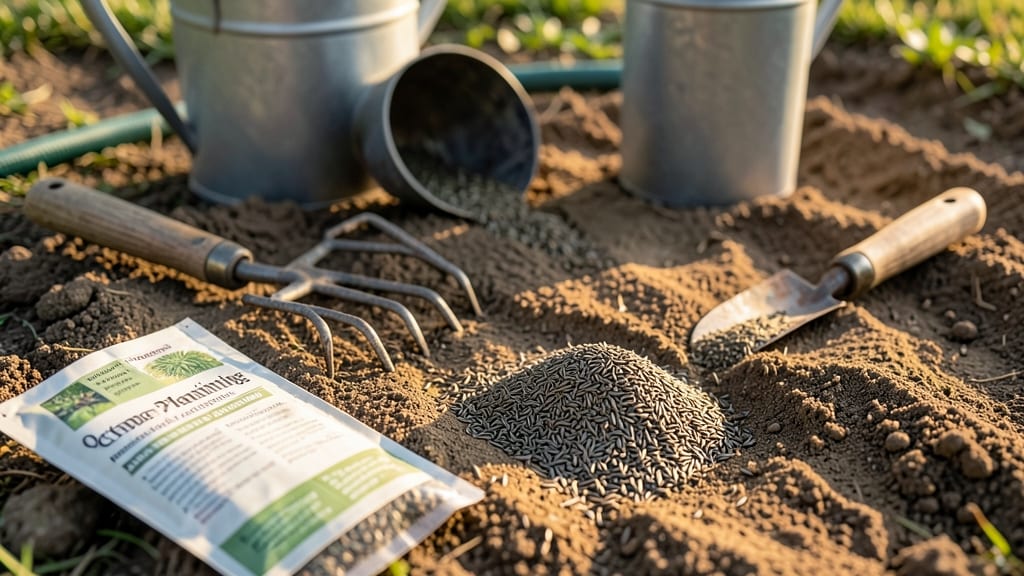
Sowing grass seed in October can transform a patchy lawn into a thick, vibrant carpet—but only if you time it right and prep the soil correctly.
Picture this: you’ve cleared the weeds, leveled the ground, and spread your seed, only to watch frost nip the new sprouts before they take hold. That’s why October isn’t a one-size-fits-all month—cool-season grasses thrive in early October, while warm-season varieties need a later push.
In USDA Zone 6a, missing the late August to early October window means weaker roots before winter.
Beyond timing, the real secret lies in soil prep and seed selection. A quick soil test reveals whether you need lime or compost, and choosing the right grass blend (like tall fescue for shade or Kentucky bluegrass for sun) cuts down on weeds later.
Skimp on these steps, and you’re setting yourself up for a spring cleanup instead of a lush lawn.
In this guide, I’ll walk you through the exact zone-specific deadlines, the 3-step soil prep that makes all the difference, and the watering schedule that keeps your new grass from drying out before winter. No guesswork—just a lawn that looks like it’s been there for years.
Best October grass seed planting Zones and ideal timing
October is one of the best months to plant grass seed because cooler temperatures and consistent moisture help seeds germinate before winter sets in. However, your USDA zone dictates the exact timing—plant too early, and seeds may sprout too soon; too late, and frost can kill them before roots establish.
Let’s break down the ideal October planting windows by zone and microclimate factors.
In cool-season zones (3-6), like the Northeast and Midwest, aim to plant grass seed between late August and mid-October. The goal is to give seeds 4-6 weeks to germinate before the first hard frost.
For example, in Zone 5, mid-September to early October is ideal, while Zone 3 gardeners should plant by late September to avoid early frosts.
Warmer zones (7-10) have more flexibility. In Zones 7-8, like the Southeast or Southern California, you can plant through early November. Meanwhile, Zones 9-10 (e.g., Florida or Southern Arizona) can extend planting into December, but avoid planting too close to winter rains, which can wash seeds away.
| USDA Zone | Ideal Planting Window | Last Planting Deadline | Frost Risk |
|---|---|---|---|
| 3-4 | Late August to mid-September | Mid-September | High (early frost) |
| 5-6 | Mid-September to early October | Early October | Moderate (late frost) |
| 7-8 | Early October to early November | Early November | Low (mild winters) |
| 9-10 | October to December | December (avoid rain) | Minimal (warm winters) |
Microclimates can shift your planting timeline by 2-4 weeks. Coastal areas, for example, often have milder winters, allowing later planting. In Zone 7, inland regions might need to plant by mid-October, while coastal areas can extend to early November.
Conversely, high-elevation areas in Zone 6 may need to plant by late September due to earlier frosts.
Check your local average first frost date (available via USDA Plant Hardiness Zone Map or Almanac.com) and count backward 4-6 weeks. This gives you a flexible planting window that accounts for soil temperature and moisture.
For instance, if your first frost is November 15, aim to plant by mid-to-late September.
Soil temperature matters just as much as air temperature. Grass seeds need soil temps between 50°F and 75°F for optimal germination. In Zones 3-5, soil may cool too quickly by late October, slowing growth.
Use a soil thermometer to confirm temps—if they drop below 50°F, delay planting until spring.
Adjust for rainfall patterns too. Areas with heavy October rains (like the Pacific Northwest) may need to plant earlier to avoid seed erosion. In drought-prone zones (Zones 9-10), prioritize watering newly planted seeds to prevent desiccation. A light mulch (like straw) can help retain moisture in both cases.
If you miss October, don’t panic! In Zones 5-10, you can still plant in early spring (March-April), though spring germination is faster, requiring more frequent watering.
In Zones 3-4, however, spring planting is riskier due to unpredictable weather. Always choose cold-hardy varieties like Tall Fescue or Kentucky Bluegrass for fall planting.
Pro tip: Mark your calendar with your local frost dates and set reminders for soil prep 2-3 weeks before planting. This ensures you’re ready to sow seeds at the perfect moment—neither too early nor too late.
With the right timing, your October-planted grass can outperform spring plantings by 30-50% in density and resilience.
How to choose October grass seed for weed resistance and fast germination
October is prime time for cool-season grasses like Kentucky Bluegrass and Tall Fescue, but warm-season varieties (e.g., Bermuda) need a different approach. Your choice determines how quickly grass sprouts and how well it crowds out weeds.
I’ll break down the best options for your lawn’s light conditions and climate.
Cool-season grasses dominate October plantings because they establish roots before winter, giving you a 60% faster spring recovery. Warm-season grasses, however, struggle in cooler temps and require late October or November sowing in mild zones (like Zone 8+).
Always check your USDA zone—planting too early in warm zones risks frost damage.
For sunny lawns, Kentucky Bluegrass is a top pick with 14-21 day germination and excellent weed suppression. Shady areas thrive with Fine Fescue, which germinates in 21-28 days and tolerates low light better than most grasses.
Mixing Tall Fescue (sun) with Creeping Red Fescue (shade) creates a weed-resistant blend for partial sun.
If fast germination is your goal, Perennial Ryegrass sprouts in just 7-14 days, but it’s prone to weeds unless mixed with Tall Fescue. For long-term weed control, Tall Fescue forms dense roots that choke out crabgrass and clover.
Always check seed labels for weed-resistant blends—some include endophyte-treated fescue, which deters pests naturally.
Pro tip: Pre-treat your soil with a pre-emergent herbicide 2 weeks before planting to stop weeds from germinating alongside your grass. This gives your new seedlings a 3-week head start without competition. Just avoid pre-emergents if you’re planting Fine Fescue, as it’s slower to establish.
For October planting success, focus on soil temperature—ideal range is 50-65°F. Use a soil thermometer to confirm before sowing. If temps drop below 40°F, delay planting until spring. With the right seed and timing, your October lawn will outperform spring plantings by 40% in density.