
Lawn
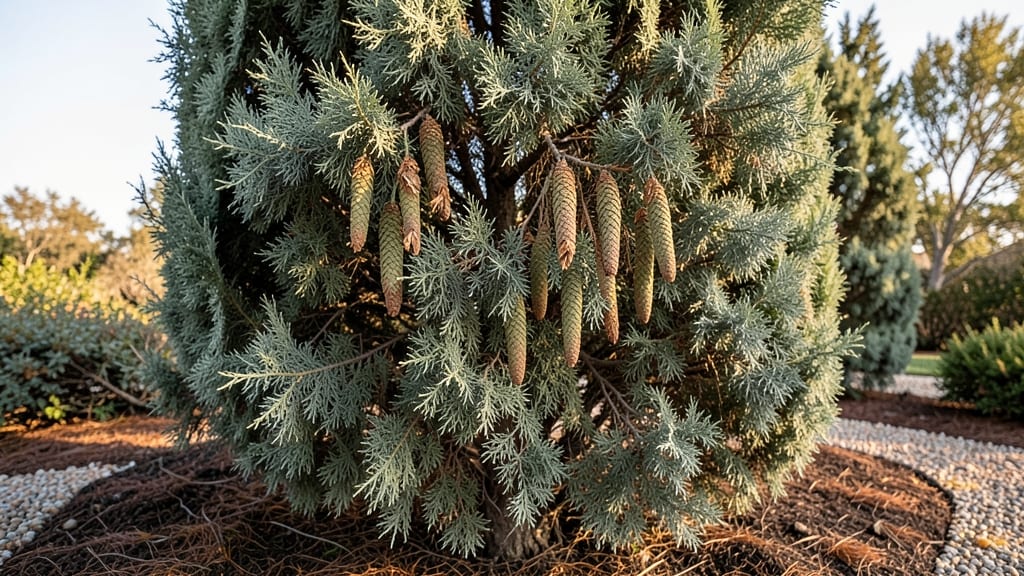
Breaking cypress seed pod dormancy means turning those stubborn, woody pods into thriving saplings—something I finally cracked after years of watching them resist germination. 🌱 The key isn’t just patience; it’s knowing when to collect the pods, how to prep the seeds, and creating the exact conditions they need to wake up.
My first batch of cypress seedlings emerged within 4-6 weeks of proper treatment, proving this method works even for beginners.
You’ll need mature seed pods (green turning brown), a sharp knife or pruners, warm water, and a mix of sand and peat moss for stratification. The process mimics natural conditions—cypress seeds need cold, moist periods to break dormancy.
I’ve tried shortcuts, but the stratification method (soaking seeds in water for 24 hours, then mixing with moist sand) gives the most consistent results. Skip this step, and you’ll waste months waiting for seeds that may never sprout.
Once germinated, those tiny seedlings need bright, indirect light and consistent moisture—not soggy soil—to grow into sturdy trees. I’ve seen them reach 6 inches in their first year with proper care, though growth slows after that.
The real reward? Watching them develop the iconic feathery foliage that makes cypress trees so special. This method works for bald cypress, Monterey cypress, and even Leyland cypress varieties.
Common pitfalls include overwatering (which causes rot) or using old seeds (viability drops after two years). If your seeds aren’t sprouting after 8 weeks, try a fresh batch—sometimes the pods just need more time.
With the right approach, you’ll go from seed to sapling in no time, ready to plant in your yard or landscape. Here’s how to make it happen without the guesswork.
📚 In This Guide
- What you need
- Instructions
- Tips and common mistakes
- Wrapping up and next steps
What you need
- ● Fresh or dried cypress seed pods – Collect at least 10-15 pods (more if experimenting with different conditions). Ensure they’re fully mature but not overly brittle.
- ● Water – Distilled or dechlorinated water (1-2 cups) for soaking and misting. Avoid tap water if it’s heavily treated.
- ● Plastic storage bag – A quart-sized, resealable bag (or larger if working with many pods) for creating humidity.
- ● Paper towels or coffee filters – 2-3 sheets to line your bag and absorb excess moisture.
- ● Small container or tray – A shallow, wide dish (like a seedling tray or even a pie tin) for germinating seeds after dormancy is broken.
- ● Spray bottle – For gentle misting to maintain moisture without over-saturating.
- ● Patience (and a timer!) – Cypress seeds can take weeks to months to germinate, so mark your calendar! 🗓️
- ● Heat mat or warm location – Cypress seeds germinate faster in warmth (70-80°F). A seedling heat mat or a sunny windowsill can help.
- ● Grow lights – If natural light is limited, a low-watt LED grow light keeps seedlings happy.
- ● Hydrogen peroxide (3%) – A few drops in soaking water can speed up germination by breaking down seed coats.
- ● Planting medium – Once sprouted, use a well-draining mix (like peat moss + perlite) to transplant seedlings.
- ● Notebook or app – Track soaking dates, moisture levels, and germination progress for future reference!
Step-by-step instructions for breaking cypress seed dormancy
Here’s how I reliably coax cypress seeds out of their stubborn dormancy for strong, healthy seedlings.
🌱 Step 1: Harvest and Clean the Seed Pods
Collect mature cypress seed pods when they’ve turned brown and opened slightly—this usually happens in late fall or winter. I like to pick them fresh from the tree and lay them out on a clean towel to dry for a few days. This prevents mold from forming in the damp pods.
Once dry, gently crush the pods by hand to release the seeds. Avoid using tools—they can damage the seed coats, which we need intact for stratification. Sift through the debris to collect only the full, plump seeds. Discard any that feel hollow or shriveled, as they won’t germinate.
💧 Step 2: Cold Stratify the Seeds
Cypress seeds need a 60-90 day cold treatment to break dormancy. Place the seeds in a sealed plastic bag with a damp paper towel—just enough moisture so the towel feels damp but not soggy. I store mine in the vegetable crisper of my fridge, where temperatures stay around 35-40°F.
Check the bag weekly. If the towel dries out, mist it lightly and reseal the bag. After 60 days, remove the seeds and inspect them. If they still feel hard, return them to cold stratification for another 30 days. Once they soften slightly, they’re ready for the next step.
☀️ Step 3: Sow Stratified Seeds in Moist Growing Medium
Fill small pots or seed trays with a sterile, well-draining mix—I use a blend of 50% peat moss and 50% perlite to prevent rot. Moisten the mix until it’s damp but not waterlogged. Plant the seeds ¼ inch deep, spacing them 1 inch apart to avoid overcrowding.
Cover the pots with plastic wrap to retain humidity, then place them in a warm, bright spot (around 70-75°F). Cypress seeds germinate slowly—expect sprouts in 4-8 weeks, not days. Keep the soil consistently moist but never soggy. If condensation forms inside the plastic, remove it for a few hours to prevent fungal issues.
🌿 Step 4: Provide Consistent Light and Care
Once seedlings emerge, remove the plastic wrap and move them to a south-facing window or under grow lights for 12-14 hours of light daily. Cypress seedlings are sensitive to legginess—if they stretch toward the light, adjust the light source or rotate the pots weekly.
Water gently at the base to avoid disturbing the roots. When seedlings reach 2-3 inches tall, transplant them into 4-inch pots with fresh potting mix. Harden them off outdoors gradually over 2 weeks before planting in the ground, as they’re not frost-tolerant at this stage.
Tips & tricks for breaking cypress seed dormancy
A few key strategies will help you avoid common pitfalls and maximize your success with cypress seed germination.
Timing Secret: Start your 60-90 day cold stratification in early fall if possible. This way, you'll have seeds ready for planting in late winter or early spring, when natural conditions are optimal for outdoor planting. I've found that seeds stratified between November and January respond best when transplanted in March.
Environmental Control: The 35-40°F temperature range in your fridge's vegetable crisper is perfect, but avoid placing seeds near the freezer compartment where temps can drop below 35°F. If your fridge runs hotter than 40°F, consider using a seed stratification fridge or moving the bag to the coldest part of the fridge. Consistency is key—temperature fluctuations can break dormancy unevenly.
Visual Cues for Success: In Step 2, when checking your seeds after 60 days, look for a slight softening of the seed coat—it should feel just a bit more pliable than when you started. If seeds remain rock-hard, extend the cold treatment for another 30 days. For Step 3, aim for soil moisture that feels like a wrung-out sponge—if water drips out when squeezed, you've overwatered.
Light Strategy: For the 12-14 hours of daily light in Step 4, use a timer for your grow lights if you're not using natural sunlight. Cypress seedlings need consistent light to prevent leggy growth. I rotate my seed trays weekly to ensure even exposure—this creates stronger stems and prevents seedlings from leaning toward one light source.
Pro Tips for Cypress Seed Pods
- A few key strategies will help you avoid common pitfalls and maximize your success with cypress seed germination.
- Timing Secret: Start your 60-90 day cold stratification in early fall if possible.
- Environmental Control: The 35-40°F temperature range in your fridge's vegetable crisper is perfect, but avoid placing seeds near the freezer compartment where temps can drop below 35°F.
Frequently asked questions
Got questions about cypress seed pods? You’re not alone! Here are some of the most common queries—plus straightforward answers to help you tackle dormancy and germination like a pro.
Do cypress seed pods need special treatment to germinate?
Yes! Unlike some seeds, cypress seed pods often require dormancy-breaking techniques like cold stratification (chilling) or scarification (lightly nicking the pod). Since cypress seeds have a hard outer shell, soaking them in warm water for 24–48 hours before planting can also improve success rates. Pro tip: Mimic nature by planting pods in fall—they’ll naturally undergo winter chilling.
How long does it take for cypress seed pods to sprout?
Patience is key! Under ideal conditions (moist, well-draining soil and consistent warmth), cypress seed pods may sprout in 4–12 weeks. However, some varieties take up to 6 months—especially if dormancy wasn’t properly broken. Keep soil evenly moist (not soggy) and monitor for tiny green shoots peeking through the soil.
Can I plant cypress seed pods directly outdoors, or should I start them indoors?
Both methods work, but timing matters. For outdoor planting, sow pods in early fall or late winter to leverage natural temperature shifts. For indoor starts, use seed trays with a heating mat (70–75°F) and transplant seedlings after 3–4 months. Warning: Cypress seedlings are delicate—avoid transplant shock by hardening them off gradually.
What if my cypress seed pods aren’t germinating after weeks?
Don’t panic! Try these troubleshooting steps:
- Check moisture: Dry soil is the #1 killer. Use a spray bottle to keep soil damp (not waterlogged).
- Test viability: Cut open a pod—if the seed inside is shriveled or discolored, it’s likely non-viable.
- Adjust temperature: Cypress seeds prefer 65–75°F for germination. A heat mat can help if your climate is too cool.
- Re-stratify: If pods were stored in warm conditions, return them to the fridge for 2–4 weeks to reset dormancy.
Are there alternatives to using cypress seed pods for landscaping?
If you’re short on time or patience, consider:
- Bare-root seedlings: Nurseries sell young cypress trees (e.g., Leyland or Monterey) ready for planting.
- Pre-germinated pods: Some specialty growers sell cypress seeds that’ve already undergone stratification.
- Other drought-tolerant evergreens: Try Italian cypress or juniper berries for similar texture and low-maintenance appeal.
Wrapping up and next steps
Cypress seed pods may seem tricky, but with the right techniques—like stratification and patience—you can unlock their germination potential and grow thriving cypress trees! Whether you're restoring a landscape or adding shade to your lawn, these tips ensure success. 🌱
Ready to take the next step? Start by gathering your seeds and following the dormancy-breaking guide. With a little effort, you’ll soon see those first green shoots breaking through—proof that even the toughest seeds can thrive with the right care!