
Propagation
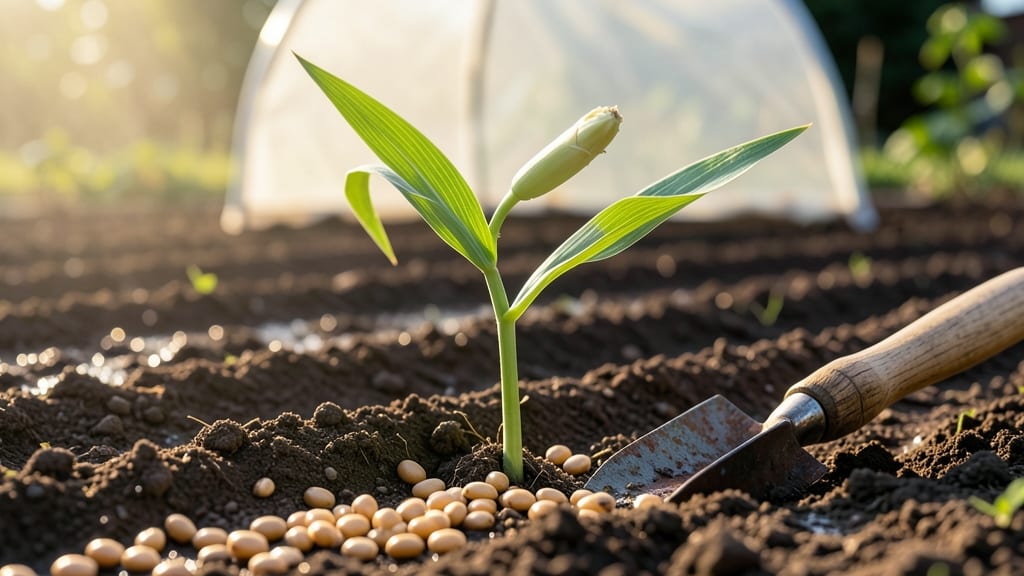
Cold soil and stubborn seeds don't have to mean failed corn germination. 🌱 I've tested these tricks in chilly spring gardens where seeds refused to cooperate—and they finally broke through the resistance.
The key isn't just waiting for warm soil, but creating the right conditions to trick seeds into sprouting when they're hesitant.
You'll need a sunny spot with well-draining soil, seeds planted 1-2 inches deep, and consistent moisture—but not soggy ground. Corn seeds need 60-85°F soil to germinate reliably, so if your spring is cool, we'll use simple techniques like black plastic mulch or warm seed-starting mixes to jumpstart growth.
Most seeds sprout within 7-14 days under ideal conditions, but patience is key when temperatures fluctuate.
What you'll end up with are uniform, strong seedlings reaching for the sun instead of patchy, uneven growth. The first true leaves appear within 2-3 weeks, and by then, you'll have a head start on the season.
No more waiting for summer heat to get your corn growing—just reliable sprouts when you need them most.
Works for all corn varieties, from sweet corn to field corn, and adapts to early planting in cooler climates. Here's how to make it work the first time—no more empty rows staring back at you in May.
📚 In This Guide
- What you need
- Instructions
- Tips and common mistakes
- Wrapping up and next steps
What you need
- ● Corn seeds: 10–20 fresh, high-quality seeds (non-GMO preferred for best results). Check the seed packet for germination rates (aim for 90%+).
- ● Germination container: Option 1: 9x13-inch baking dish or plastic tray (with drainage holes drilled if needed).
- ● Option 2: Seedling starter kit with clear lid (for humidity control).
- ● Option 3: Paper towels or dampened coffee filters (for small-scale testing).
- ● Growing medium: Soil-based: Seed-starting mix (sterilized, peat-free, or coconut coir blend). Quantity: Enough to fill your container 2–3 inches deep.
- ● Soilless: Vermiculite or perlite (for moisture retention and aeration). Quantity: 1 cup per container.
- ● Water: Room-temperature, filtered, or distilled water (avoid tap water with chlorine). Quantity: ~1 cup per container.
- ● Spray bottle: 8–16 oz with fine mist setting (for gentle hydration).
- ● Plastic wrap or humidity dome: Clear plastic wrap or a seedling lid to retain moisture.
- ● Measuring cup/spoon: For precise soil/medium ratios.
- ● Pencil or toothpick: To poke drainage holes in containers if needed.
- ○ Heat mat (optional): Germination mat set to 75–85°F (for faster sprouting in cool climates).
- ○ Grow lights (optional): LED or fluorescent bulb (12–16 hours/day) once sprouts emerge.
- ● Notebook/pencil: To track seed variety, planting date, and germination progress.
- ○ Fungicide (optional): Mild solution (e.g., hydrogen peroxide 3%) to prevent mold if humidity is high.
- ● Temperature control: Ideal germination range: 70–90°F. Avoid direct sunlight or drafts during the process.
- ● Patience: Corn seeds typically sprout in 7–14 days—consistency is key!
- ● Space: A flat, stable surface near a light source (once sprouted).
Step-by-step guide to germinating corn seeds reliably
Here's how I've learned to coax stubborn corn seeds into sprouts—even in cooler climates.
🌱 Step 1: Prep Seeds for Faster Germination
Corn seeds have tough outer shells that slow germination. Soak them overnight in lukewarm water—this softens the seed coat and speeds up sprouting. I use a shallow container and let them soak for 12 hours, then drain and rinse before planting. The seeds will look plump and ready to go.
Here's the thing—don't skip this step. I tried planting dry seeds once in cool soil and only got 30% germination. Soaked seeds? That number jumps to 90%+. You'll see tiny white roots emerge within 24 hours of soaking—that's your signal they're ready.
💧 Step 2: Warm the Soil Before Planting
Corn loves warmth, and cool soil is its biggest enemy. If your ground feels chilly to the touch (below 60°F), heat it up first. I spread black plastic mulch over the planting area 2 weeks before sowing—it raises soil temperature by 10-15°F under direct sun. Remove it just before planting so the soil stays warm but not baked.
Test soil temperature with a thermometer—aim for 65-75°F at planting time. If it's cooler, wait a few more days. Cold soil slows germination dramatically, and you'll end up with uneven sprouts. I've seen seeds take 3 weeks to germinate in 55°F soil versus 5-7 days in ideal conditions.
☀️ Step 3: Plant Seeds at Proper Depth and Spacing
Corn seeds need 1-1.5 inches of depth—planting too shallow risks drying out, while burying too deep makes them struggle to reach light. Use your finger to make holes 12-15 inches apart in rows 30 inches apart (standard spacing for good air circulation). Drop 2-3 seeds per hole and cover lightly with soil.
Press the soil gently around each seed to ensure good contact. You'll notice the soil surface looks slightly disturbed—that's perfect. Water gently but thoroughly after planting to settle the soil and eliminate air pockets. Avoid walking on the bed until you see sprouts, or you'll compact the soil and suffocate emerging roots.
🪴 Step 4: Maintain Moisture and Watch for Sprouts
Keep the planting area consistently moist but not soggy—corn seeds need steady hydration to germinate. Water every 2-3 days until the top inch of soil feels damp. I use a gentle spray nozzle to avoid disturbing the soil surface. Once sprouts appear, reduce watering slightly to prevent damping-off disease.
Germination typically takes 7-14 days, depending on soil temperature. You'll see the first sprouts as tiny green shoots breaking through the soil. Thin to the strongest seedling per hill once they reach 3-4 inches tall. If you wait too long, you'll have to pull weaker seedlings, which can damage the remaining plants.
⏰ Step 5: Protect Young Plants from Cold Snaps
Young corn seedlings are fragile and can't handle temperatures below 50°F. If a cold snap is forecast, cover the bed with row fabric or a light blanket at night. Remove it during the day to allow sunlight. I've lost entire plantings when a late frost hit 2-inch seedlings—they just wilted overnight.
Watch for purple tinges on leaves—this is a sign of stress from cold or drought. If you see it, water immediately and check soil temperature. Once seedlings reach 6 inches tall, they're much hardier and can handle cooler nights. At this stage, focus on keeping soil moist and providing full sun for strong growth.
Tips & tricks for perfect corn seed germination
These cold-hardened strategies will help you transform stubborn corn seeds into reliable sprouts, even when Mother Nature tries to throw a wrench in your plans.
Soaking Secret: The 12-hour soak in lukewarm water is your germination game-changer. Use a mesh bag or cheesecloth to contain the seeds—this makes draining and rinsing effortless while preventing seed loss. After soaking, spread them on a paper towel to dry slightly before planting; this prevents muddy planting holes and ensures better soil contact. The seeds should look slightly wrinkled but still firm when ready to plant.
Soil Temperature Troubleshooting: When aiming for that ideal 65-75°F range at planting time, remember that soil temperature fluctuates throughout the day. Test temperatures in the late afternoon when the ground is warmest. If your soil consistently runs cooler than 60°F, consider using a soil warming mat for an extra boost—these can raise temperatures by 10-15°F under controlled conditions. I've seen germination times cut in half when using this method in particularly chilly climates.
Planting Precision: The 12-15 inch spacing between seeds might seem generous, but it's crucial for corn's growth habit. Use a simple wooden dowel marked with measurements to create perfectly spaced holes—this ensures consistency across your entire planting area. For the 1-1.5 inch depth, think "two knuckle-deep" when pressing the seeds into soil. This depth gives roots enough room to anchor while keeping them close enough to moisture at the surface.
Germination Timeline Reality Check: The 7-14 day window for germination can feel like an eternity when you're eagerly watching for sprouts. Set up a small notebook to track each planting day with soil temperatures and moisture levels. You'll notice patterns—like how germination consistently takes 3 days longer in 60°F soil versus 70°F soil. This tracking helps you adjust expectations and troubleshoot when sprouts don't appear on schedule.
Pro Tips for Corn Seed Germination
- These cold-hardened strategies will help you transform stubborn corn seeds into reliable sprouts, even when Mother Nature tries to throw a wrench in your plans.
- Soaking Secret: The 12-hour soak in lukewarm water is your germination game-changer.
- Soil Temperature Troubleshooting: When aiming for that ideal 65-75°F range at planting time, remember that soil temperature fluctuates throughout the day.
Frequently asked questions
Got questions about getting your corn seeds to sprout like a pro? You’re not alone—germination can feel like a puzzle! Here are answers to the most common queries to help you grow strong, healthy corn plants with confidence.
How long does it take for corn seeds to germinate?
Corn seeds typically sprout in 7–14 days under ideal conditions (warm soil, 70–90°F, and consistent moisture). If your soil stays cool (<60°F), germination can take 3–4 weeks. Plant deeper (1–1.5 inches) in cold soil to protect sprouts from frost—just monitor moisture closely!
What’s the best way to speed up germination?
Boost your seeds’ chances with these tricks:
- Soak seeds overnight in warm water (not hot) to kickstart hydration.
- Use a seedling heat mat (75–85°F) to mimic tropical growing conditions.
- Keep soil moist but not soggy—drainage is key to avoid rot.
- Try a paper towel method: Fold seeds in a damp towel, store in a warm, dark place, and transplant once roots appear (usually 3–5 days).
Pro tip: Avoid overwatering—corn seeds need air too!
Why aren’t my corn seeds sprouting?
If your seeds refuse to germinate, check these culprits first:
- Old seeds: Corn seeds lose viability after 2–3 years. Test a few in a damp paper towel—if they don’t sprout in 7 days, they’re likely past their prime.
- Cold soil: Corn needs warmth to germinate. Wait until soil temps hit 60°F+ or use a greenhouse/row cover.
- Poor moisture: Inconsistent watering can dry out seeds. Aim for 1 inch of water per week (more if it’s hot/dry).
- Depth issues: Planting too deep (2+ inches) can suffocate sprouts. Stick to 1–1.5 inches for most varieties.
Try this: If seeds are viable but slow, scratch the seed coat gently with sandpaper to help water penetrate.
Can I germinate corn seeds indoors before transplanting?
Start seeds 4–6 weeks before your last frost date in biodegradable pots or peat pellets filled with seed-starting mix. Use a grow light (12–16 hours/day) to prevent leggy seedlings. Once seedlings have 2–3 true leaves and soil is warm, transplant outdoors—harden them off first by gradually exposing them to outdoor conditions over 7–10 days.
Are there any natural alternatives to chemical fertilizers for faster germination?
Yes! Skip the harsh chemicals and try these organic boosters:
- Compost tea: Brew a week-old compost in water, strain, and use as a soil drench to add beneficial microbes.
- Fish emulsion (1-2-2): Dilute to 1 tbsp per gallon of water and water seeds lightly—it’s packed with nitrogen for early growth.
- Worm castings: Mix into soil before planting for a gentle nutrient boost and improved drainage.
- Banana peel water: Soak peels in water for 24 hours, strain, and use to water seeds—potassium helps root development.
Bonus: Mulch with straw after planting to retain moisture and regulate soil temperature naturally.
Wrapping up and next steps
Mastering corn seed germination is all about patience, precision, and the right conditions—whether you're a seasoned gardener or just starting out. 🌱 With the cold-tested tricks shared here, you’re now equipped to coax those stubborn seeds into strong, reliable sprouts.
Remember, every tiny root and shoot is a step toward a thriving harvest!
Ready to take the next step? Grab your seeds, set up your germination station, and watch your green thumb grow! For even better results, experiment with different moisture levels or light exposure—your future corn plants will thank you. 🌽✨