
Lawn
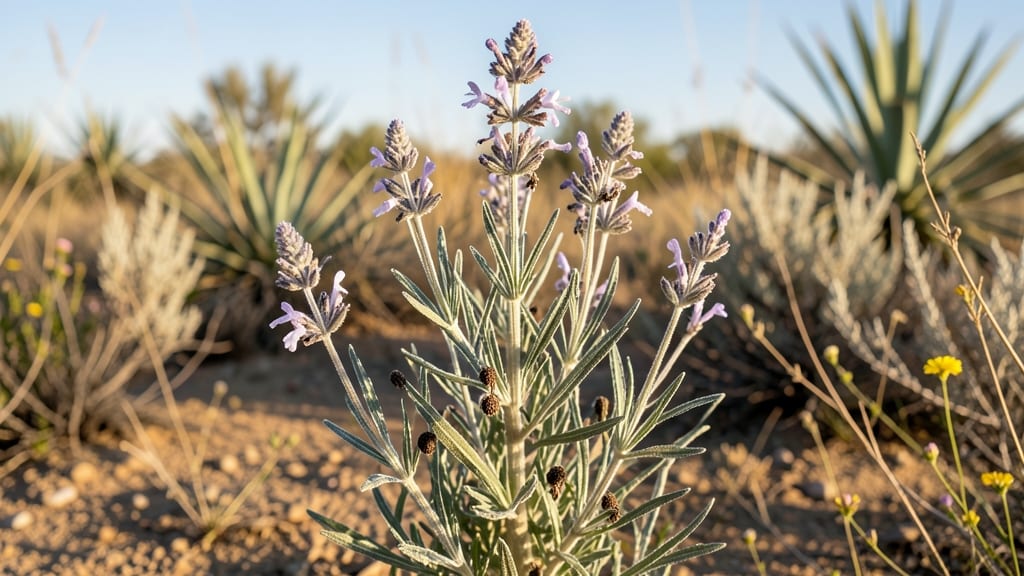
Growing chia seed grass as a fast-lawn solution means you can skip the mowing and fertilizers while still getting a lush, green yard in just 30 days.
Picture this: no more battling weeds, no more watering endlessly, and no more dreading the mower. Chia seed grass thrives in USDA Zone 6a and beyond, offering a drought-resistant, low-maintenance alternative that still looks stunning.
But how do you get started? The secret lies in the right soil, sunlight, and watering routine—all of which I’ll break down step by step.
This spring-planted annual isn’t just easy; it’s a game-changer for busy gardeners. Whether you’re covering a small patch or transforming your entire yard, chia seed grass grows quickly and stays vibrant with minimal effort.
Ready to ditch the traditional lawn? Let’s turn your dirt into a fast, eco-friendly green space in no time.
In this guide, you’ll learn the exact planting window (March to April), how to space seeds for full coverage, and the 3 key mistakes that kill chia growth before it starts. No green thumb required—just follow along for a lawn that works as hard as you do.
How to grow chia seed grass from seeds: a 30-Day fast-lawn guide
Chia seed grass isn’t actually grass—it’s Salvia hispanica, a fast-growing plant that creates a lush, green carpet in just 30 days. Unlike traditional lawns, this low-maintenance option thrives in poor soil, requires minimal water, and stays weed-free.
The secret lies in proper seed preparation and consistent moisture during germination. Whether you’re covering a patio, garden bed, or bare spot, chia seed grass delivers instant gratification with minimal effort.
Before planting, test your soil’s drainage and pH. Chia seeds prefer well-draining soil with a neutral pH (6.0-7.0). If your soil is heavy clay, mix in compost or sand to improve aeration.
Avoid rich, nitrogen-heavy soil—chia thrives in lean conditions and can even grow in cracks in concrete. Clear the area of debris, then loosen the top 2 inches of soil with a rake to create a smooth, seed-friendly surface.
- 🌱 Step 1: Prep Your Seeds – Soak chia seeds in water for 10 minutes to soften their outer shell. Drain and let them dry slightly before planting.
- 🌿 Step 2: Choose Your Planting Time – Sow seeds in spring or early summer when soil temps are 50°F+. Avoid planting after mid-summer to prevent bolting.
- 💧 Step 3: Scatter the Seeds – Spread seeds ¼ inch deep at a rate of 1 lb per 100 sqft. Lightly press them into soil with a board or rake.
- ☀️ Step 4: Ensure Full Sun – Chia needs 6+ hours of sunlight daily. If shade is unavoidable, expect slower growth and thinner coverage.
- 🪴 Step 5: Water Consistently – Keep soil evenly moist (not soggy) for the first 21 days. Water twice daily in hot climates to prevent drying.
- ✂️ Step 6: Mow or Trim at 2 Inches – Once established, trim with sharp shears to encourage denser growth. Avoid mowing before Day 28.
After planting, water lightly twice daily for the first week to encourage germination. Chia seeds sprout in 7-14 days, but consistent moisture is critical—dry spells can kill seedlings. Use a mist bottle for delicate sprouts, then switch to deeper watering as they mature.
Within 3 weeks, you’ll see a dense green carpet that’s ready for light foot traffic.
One of chia seed grass’s biggest perks is its drought tolerance. Once established, reduce watering to once weekly in dry climates. It won’t turn brown like traditional grass but may yellow slightly under stress—simply water deeply to revive it.
Avoid heavy foot traffic until Day 30, as young plants can be fragile. For pets, chia is non-toxic, but monitor them to prevent seed ingestion in large quantities.
To maintain your chia seed lawn, trim it every 4-6 weeks with shears or a string trimmer. Unlike grass, chia doesn’t need fertilizer—too much nitrogen can harm it. If weeds appear, hand-pull them early, as chia’s dense growth naturally suppresses weeds over time.
For a longer-lasting lawn, reseed bare spots in late summer to fill gaps before winter.
Chia seed grass is perfect for urban gardens, patios, and even container growing. In pots, use a well-draining mix and plant seeds ½ inch deep. Keep containers in full sun and water from the bottom to avoid disturbing seedlings.
With the right care, your chia lawn will stay green and vibrant for 3-5 years before needing renewal.
If you’re impatient for results, try hydroponic germination—place seeds on a damp paper towel in a sealed bag for 48 hours to speed up sprouting. Once roots appear, transplant them into soil. This method can cut your 30-day timeline by 5-7 days, giving you an even faster lawn.
Just remember: chia seed grass is a temporary solution for quick coverage, not a permanent replacement for traditional turf.
Ready to transform your space? Grab a bag of organic chia seeds, pick a sunny spot, and follow these steps. In just one month, you’ll have a lush, low-maintenance lawn that’s as beautiful as it is practical. Happy planting! 🌱
Chia seed grass vs. traditional lawn: key differences and benefits
Tired of mowing, watering, and battling weeds every week? Chia seed grass offers a revolutionary alternative that grows 3x faster than traditional turf while requiring 90% less water. Unlike conventional grass that demands constant upkeep, chia seed grass establishes itself in just 2-4 weeks and thrives with minimal care.
This drought-resistant option also eliminates the need for synthetic fertilizers, making it a fully organic solution for eco-conscious gardeners.
The biggest misconception about chia seed grass is that it’s weak or short-lived. In reality, it develops a dense, carpet-like mat that stays green for 3-5 years with proper care.
While traditional grass requires regular mowing every 7-10 days, chia seed grass only needs occasional trimming to maintain its height. Plus, it naturally deters weeds by outcompeting invasive plants through rapid growth.
One of chia seed grass’s standout benefits is its exceptional drought tolerance. Once established, it can survive weeks without rain by entering a semi-dormant state, while traditional grass turns brown and crispy within days of water restrictions.
This makes chia seed grass ideal for arid climates or areas prone to water shortages. Additionally, its low-growing habit (3-5 inches tall) eliminates the need for lawnmowers, reducing noise pollution and carbon emissions.
If you’re concerned about durability, rest assured that chia seed grass handles light foot traffic beautifully. While it won’t replace a soccer field, it’s perfect for patios, pathways, or low-traffic areas. For high-use zones, mix chia seeds with clover or creeping thyme to create a more resilient ground cover.
The best part? You can harvest the seeds annually for cooking or supplements, adding an extra layer of sustainability to your lawn.
For pet owners, chia seed grass is a game-changer. Unlike many traditional grasses that contain toxic compounds when ingested, chia is completely safe for dogs and cats. In fact, many pet owners report their animals enjoy chewing the soft blades without digestive issues.
Just ensure your pets don’t overconsume the seeds, as excessive fiber intake can cause mild stomach upset in some animals.
Ready to make the switch? Start with a small test patch to compare chia seed grass’s performance against your current lawn. Most gardeners see immediate results—lush green coverage in as little as 3 weeks—with zero ongoing maintenance beyond occasional watering.
The only trade-off? It won’t handle heavy machinery or extreme play, but for a low-effort, high-reward lawn, chia seed grass is unmatched.