
Lawn
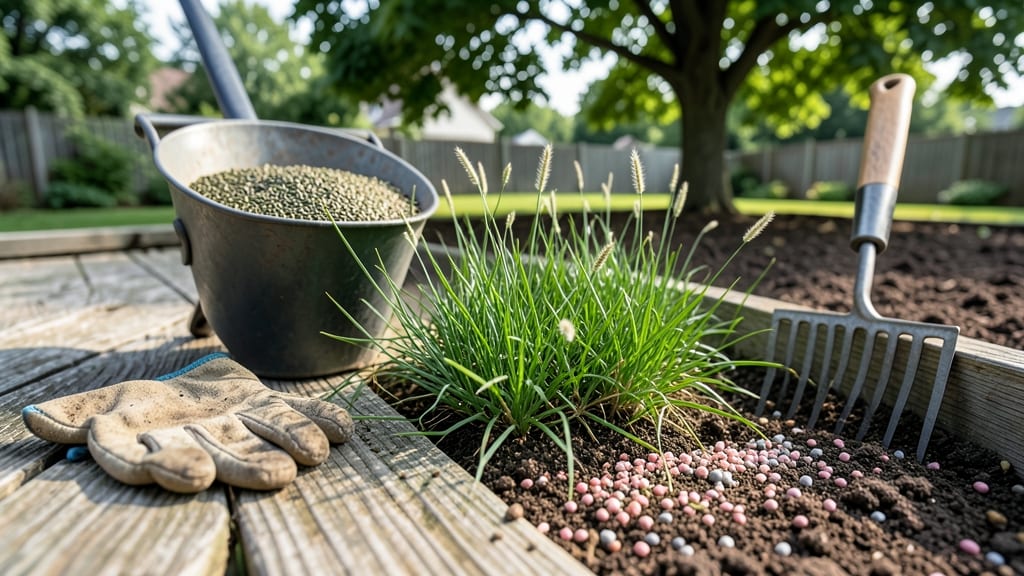
The best time to seed lawn in fall is between late August and mid-October in USDA Zone 6a — a window that gives your 🌱 grass roots time to establish before winter sets in.
Fall is the secret weapon for a lush, resilient lawn—but timing your seeding just a few weeks too early or late can ruin months of hard work. Discover the exact window for your climate zone to maximize root growth and outsmart winter weeds.
Why does fall work so well? Cooler temperatures reduce weed competition, while consistent rainfall helps seeds germinate without drying out. Plus, the grass gets a head start on spring growth, giving you a thicker, greener lawn by summer.
In this guide, I’ll break down the ideal planting window for your region, soil prep tips to avoid common mistakes, and how to tell if your lawn is on track for success.
Fall lawn seeding deadlines by US planting Zones: when to plant for optimal root development
Fall is the ideal season for lawn seeding because cooler temperatures and increased rainfall create perfect conditions for seed germination and root development. Unlike spring, fall offers fewer weeds and pests, giving your new grass a competitive edge.
But timing is everything—plant too early, and you risk drought stress; too late, and frost can stunt growth. Let’s break down the exact windows for USDA Zones 3-8 to help you seed at the perfect moment for your region.
Most lawn grasses need 60-70°F soil temperatures to germinate successfully. This typically translates to seeding between late August and mid-October, but the exact dates vary dramatically depending on whether you’re in the chilly northern states or the milder southern climates.
For example, Zone 3 might only have a 4-week window, while Zone 8 could stretch it to 8 weeks. Let’s dive into the specifics so you can avoid common pitfalls like seed washout or frost damage.
Pro Tip: Always check your local average first frost date and aim to seed 4-6 weeks before that date. This gives roots time to establish before winter dormancy sets in. For instance, if frost hits November 15, your last seeding date should be around October 15. Use this comparison table to find your zone’s exact timeline and avoid costly mistakes.
If you’re in Zone 3 or 4, time is of the essence. These northern regions have the shortest fall windows, so don’t wait until September to start—prep your soil and order seeds by early August.
In contrast, Zones 7 and 8 offer more flexibility, but even here, avoid seeding too close to winter. For example, in Zone 8, planting in December might work for warm-season grasses, but cool-season varieties will struggle with winter dormancy.
Another critical factor is rainfall patterns. Regions with dry falls, like parts of
How to prepare your lawn for fall seeding: soil, weather, and pre-seeding checklist
Fall seeding gives your lawn a head start, but proper prep is key to avoiding seed washout or poor germination. The 4-6 weeks before first frost window is ideal, but your soil and weather conditions must be ready first.
Start by testing your soil pH (6.0-7.0)—grass thrives in this neutral range, and adjusting now prevents future struggles.
Weeds compete aggressively with new grass seedlings, so eliminate them before seeding. Use a pre-emergent herbicide or manual removal to clear the field. This step alone can boost your germination success rate by up to 40%. Don’t skip it—weeds steal nutrients and sunlight from your tender new grass.
Step-by-Step Fall Lawn Prep
- ✅ Test soil pH (aim for 6.0-7.0); amend with lime or sulfur if needed.
- ✅ Aerate compacted soil 2-3 days before seeding to improve seed-to-soil contact.
- ✅ Apply pre-emergent herbicide (if weeds are present) or manually remove them.
- ✅ Spread starter fertilizer (high-phosphorus, 10-20-10 ratio) evenly across the lawn.
- ✅ Rake soil lightly to create a smooth, seed-friendly surface (avoid deep tilling).
- ✅ Check weather forecast—seed only when 5-7 dry days are predicted.
Timing your aeration is just as critical as seeding. Perform this task 2-3 days before planting to allow soil to settle. Aeration creates pockets for seeds to nestle into, ensuring better root establishment.
Skip this step, and your seeds may end up sitting on top of the soil, leading to poor contact and uneven growth.
Weatherproofing your new lawn is the final safeguard. Use straw or netting to anchor seeds and prevent erosion from wind or rain. This simple step can reduce seed loss by up to 30%.
After seeding, keep the area moist but not soggy—water lightly twice daily for the first week to encourage germination without washing seeds away.
Monitor your lawn’s progress closely. If temperatures drop unexpectedly, cover seeded areas with a lightweight frost blanket to protect tender seedlings. With these steps, your fall-seeded lawn will emerge strong and ready to outcompete weeds next spring.