
Planting
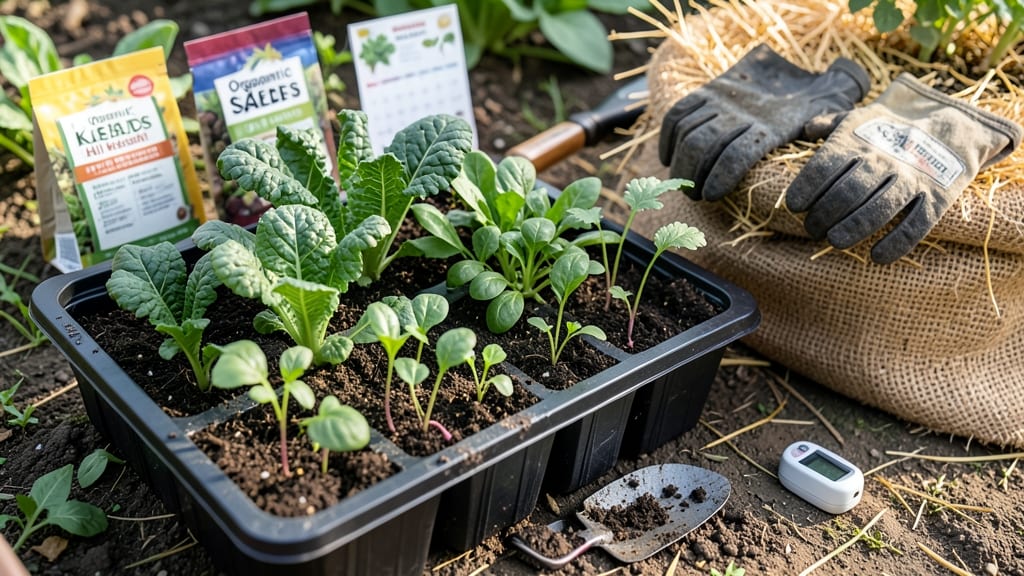
The best time to seed in the fall is the smartest way to secure a head start on your spring harvest—just don’t wait too long before frost hits.
Picture this: you’ve prepped your soil, picked the perfect cool-season crops, and planted your seeds with high hopes—only for a surprise frost to wipe out your seedlings overnight. It’s a heartbreaking mistake that happens more often than you’d think, especially when you’re racing against the clock.
Timing is everything, and the right window depends on your USDA zone, soil temperatures, and which crops you’re growing. In Zone 6a, for example, you’ve got about 4-6 weeks before the first frost to get seeds in the ground for a spring payoff.
But what if you’re in a warmer zone? Or planting frost-sensitive greens? I’ll break down the exact deadlines, soil prep tricks, and even how to salvage a late start.
By the end, you’ll know exactly when to seed in your region, which crops to prioritize, and how to protect your seedlings from late-season surprises. Let’s make sure your fall planting pays off big next spring.
Fall seeding deadlines by USDA Plant Hardiness zones
Timing your fall seeds correctly means the difference between a thriving spring harvest and wasted effort. Cool-season crops like spinach, kale, and peas need to establish roots before winter dormancy—but not so early that they bolt in summer heat.
Your USDA Plant Hardiness Zone determines the exact window, typically 4-8 weeks before your first frost date. Let’s break down the best planting deadlines for zones 3 through 8 to ensure your seeds germinate, grow, and survive the cold.
First, locate your zone using the USDA Plant Hardiness Zone Map. Then, calculate your average first frost date (check local weather records or agricultural extensions).
For example, in Zone 5, where I garden, the first frost usually hits around October 15th, so my fall seeding window closes around September 15th. Missing this window risks seedlings emerging too late, only to be nipped by frost before maturing.
Soil temperature is just as critical as frost dates. Most cool-season vegetables germinate best in soil between 45°F and 75°F. If your soil drops below 40°F, seeds may rot in the ground or take weeks to sprout.
Use a soil thermometer to check temperatures at planting depth (about 1 inch deep). In Zone 7 or warmer, you might even squeeze in a second planting in late fall for early spring harvests.
Here’s a quick reference for ideal planting deadlines by zone, based on a 60-day maturity window (adjust for faster/slower-growing crops):
For Zone 3-4 gardeners, where winters are harsh, focus on hardy crops like kale and peas, which can tolerate light frost.
In Zone 5 and up, you’ll have more flexibility to experiment with slower-growing crops like broccoli or cabbage, but always prioritize soil warmth over air temperature.
A cold snap can stall germination, so use row covers or cold frames to protect tender seedlings if nighttime temps drop unexpectedly.
Pro tip: Succession planting in fall works wonders. Instead of seeding everything at once, stagger plantings every 2-3 weeks to extend your harvest window. For example, in Zone 6, seed a batch of spinach in early September and another in mid-September.
The first batch matures before the second, giving you a continuous supply. Just be sure to label your rows to track planting dates!
Don’t forget to prep your soil before seeding. Cool-season crops thrive in loose, well-draining soil with a
Best fall crops for direct sowing vs. transplanting
Choosing the right method for your fall crops can mean the difference between a thriving spring harvest and wasted effort. Some vegetables—like radishes and spinach—germinate quickly and handle direct sowing beautifully, while others, such as broccoli or cabbage, need a head start indoors to mature before frost.
Understanding these differences saves time, space, and heartache.
Direct sowing is ideal for fast-growing crops that tolerate cool soil and don’t mind competing with weeds. These include carrots, beets, and turnips, which sprout quickly and mature before winter sets in.
On the other hand, transplanting seedlings gives slower growers—like cauliflower or kale—a jumpstart, ensuring they’re large enough to survive light frosts.
Here’s the key: direct sowing works best for crops with short maturity times (under 60 days), while transplanting suits those needing 60+ days to reach harvest size.
For example, radishes can go straight into the ground in late summer, but broccoli seedlings need 4–6 weeks indoors before transplanting in early fall.
Direct Sowing vs. Transplanting for Fall Crops
- ✅ Fast germination (radishes, spinach)
- ✅ No transplant shock for delicate roots
- ✅ Saves time (no indoor setup)
- ❌ Weed competition risks
- ❌ Slower growth for heavy feeders
- ✅ Head start for slow growers (broccoli, cabbage)
- ✅ Controlled conditions (pest-free starts)
- ✅ Larger plants survive frost better
- ❌ Transplant shock risk
- ❌ Requires indoor space and time
🌱 Pro Tip: Use row covers to extend the direct-sowing window by 2–3 weeks in cooler zones.
For direct sowing, focus on cool-season crops like lettuce, peas, and arugula. These handle light frosts and germinate well in 50–60°F soil. Plant them 4–6 weeks before the first frost for a spring harvest.
Meanwhile, transplanting is your best bet for brassicas (cabbage, Brussels sprouts) and alliums (onions, leeks), which need time to establish strong roots before winter.
If you’re short on time, prioritize direct-sown crops like radishes (ready in 25 days) or spinach (30–40 days). For bigger rewards, start transplants indoors 4–6 weeks before your last frost date. For example, in Zone 6a, that means sowing broccoli seeds indoors by mid-August for transplanting in early October.
Remember: soil temperature is your best guide. Use a soil thermometer to confirm it’s above 45°F before sowing. If it’s cooler, opt for transplants or wait until conditions improve.
With the right approach, your fall planting will reward you with vibrant spring greens and homegrown vegetables long before store-bought options arrive.