
Lawn
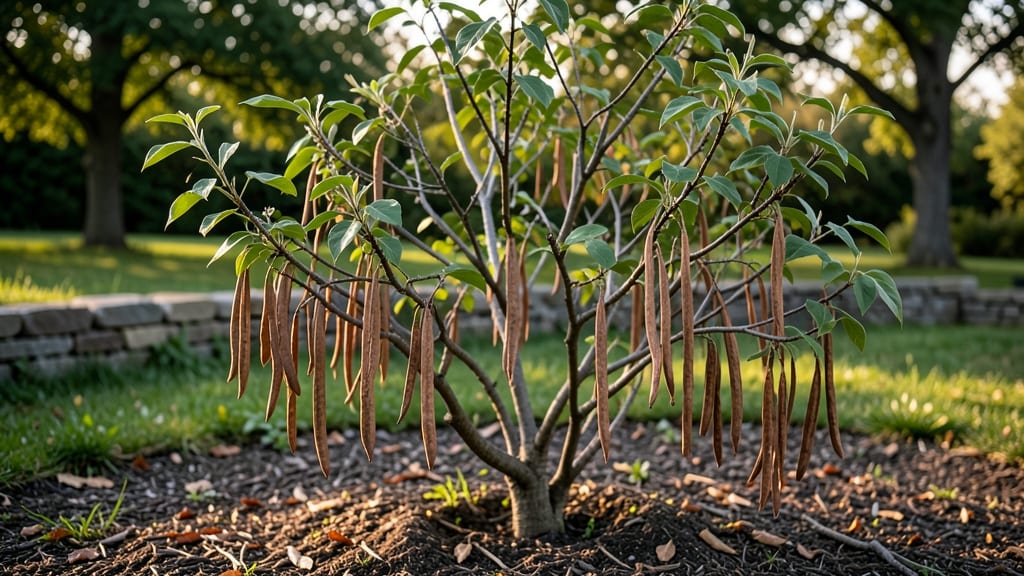
Harvesting lilac bush seed pods at the right moment means future bushes with the same fragrant blooms you love. ✨ The pods turn from green to brown, but if you wait too long, the seeds inside lose viability—so timing is everything.
I’ve learned this the hard way after watching seeds dry out before I could use them.
You’ll need sharp pruners, a paper bag for collecting pods, and a flat tray for drying seeds. The best time to harvest is when the pods are plump but still slightly green, usually in late summer before they split open.
Once collected, lay them out in a dry, shaded spot for a few days to finish drying.
Germination isn’t guaranteed—lilacs often produce weak seedlings—but patience pays off. Start seeds indoors in late winter, keeping them moist and warm until sprouts appear. With the right care, you’ll see young shoots in 4-6 weeks, ready to transplant outdoors after the last frost.
This method works best for gardeners willing to wait a few years for mature blooms, but the reward is free lilacs that match your existing plants perfectly. Just avoid overwatering, and you’ll set yourself up for success.
📚 In This Guide
- What you need
- Instructions
- Tips and common mistakes
- Wrapping up and next steps
What you need
- ● Mature lilac seed pods: Look for pods that are turning brown but haven’t yet split open—typically in late summer to early fall.
- ● Pruning shears or sharp scissors: A pair with clean, sharp blades to avoid damaging the pods.
- ● Paper bags or breathable fabric sacks: At least 2-3 medium-sized bags (12x16 inches) to collect pods and allow airflow.
- ● Plastic or glass container: A shallow dish (8x10 inches) for separating seeds from pulp.
- ● Fine-mesh sieve or strainer: To sift out debris and isolate seeds.
- ● Paper towels or coffee filters: For drying seeds—use 2-3 sheets per batch.
- ● Labeling markers or tags: To mark seed varieties and harvest dates.
- ● Gloves: Protect your hands from sticky sap or thorns.
- ● Small hand trowel: For gently loosening pods from stubborn branches.
- ● Desiccant packets (silica gel): Speed up drying if you’re in a humid climate.
- ● Seed storage containers: Airtight jars or envelopes for long-term seed preservation.
- ● Notebook: To jot down observations like pod color, size, or plant health.
Instructions for harvesting lilac seeds at peak viability
Timing is everything with lilac seed pods—harvest too early, and seeds won’t be ready; too late, and they’ll shatter into worthless dust.
🌿 Step 1: Identify the Right Pods to Harvest
Lilac seed pods turn from green to brown as they mature, but you need to catch them at the perfect stage. Look for pods that have turned tan or light brown but haven’t yet split open. If you see tiny seeds peeking out, you’ve missed the window—those won’t germinate well. I tap the pods gently with my fingers; if they rattle with seeds inside, they’re ready.
Harvest on a dry, sunny morning when the pods are firm but not brittle. Avoid damp conditions—they’ll mold before you can dry the seeds. The best time is usually late summer to early fall, depending on your climate. If you’re in a warm zone, pods may ripen earlier, so check weekly.
✂️ Step 2: Carefully Remove Pods Without Damaging Them
Use clean, sharp pruning shears to snip the pods directly from the stem, leaving about ½ inch of stem attached. This prevents the pods from splitting open prematurely. Never pull or twist—they’re delicate and will crack if forced. Place the pods in a paper bag (not plastic) to allow airflow while you work.
Work quickly but carefully. Lilac pods dry out fast, and if they sit too long in the bag, they’ll lose viability. I like to process them the same day I harvest, but if you must store them, keep them in a cool, dry place for up to 3 days before drying. Never refrigerate—moisture buys mold.
🪴 Step 3: Dry the Pods Properly to Preserve Seeds
Spread the pods in a single layer on a clean, dry towel in a well-ventilated area out of direct sunlight. A shady windowsill or dehumidifier-free room works best. Direct sun will scorch the pods and kill the seeds inside. Check daily—they’re ready when they’re completely dry and papery to the touch.
Drying takes 7-10 days, depending on humidity. If your home is damp, prop a small fan nearby to speed up the process. Once fully dry, the pods will rattle loudly when shaken—this is your cue they’re ready for seed extraction. Store them in a sealed envelope in a cool, dark place for up to 1 year.
🌱 Step 4: Extract and Store Seeds for Planting
Once pods are bone-dry, gently crush them between your fingers over a clean sheet of paper. The seeds will spill out as tiny, dark brown ovals. Discard any empty pods or debris. Lilac seeds are non-stratified, meaning they don’t need cold treatment—they’ll germinate fine if sown fresh or stored properly.
For best results, plant the seeds within 6 months of harvesting. If storing longer, keep them in a paper envelope (not plastic) in the fridge. Label with the date and lilac variety—seeds lose viability over time. When ready to plant, soak them in lukewarm water for 24 hours before sowing to soften the tough outer shell.
⏰ Step 5: Plant Seeds at the Right Time for Germination
Sow lilac seeds outdoors in early spring or indoors 8-10 weeks before your last frost date. Press them ¼ inch deep into moist, well-draining soil—they need light to germinate, so don’t bury them too deeply. Keep the soil evenly moist (not soggy) until germination, which can take 2-4 weeks.
Lilac seedlings grow slowly at first, so be patient. Thin them to 6 inches apart once they have 2-3 true leaves—crowding weakens the plants. If you’re growing from seed, expect blooms in 3-5 years, not the 2-3 years you’d get from a nursery plant. But the reward? A bush grown from your own seeds will thrive perfectly in your climate.
Tips & tricks for perfect lilac seed pod harvesting
These simple tricks will help you maximize your lilac seed yield without losing a single viable seed.
Pod Selection Tip: In Step 1, when checking for readiness, look for pods that are firm but starting to develop a papery texture. If they feel slightly leathery but still closed, they're perfect. I've learned that pods that rattle when gently shaken are always packed with seeds—this is your best indicator of readiness. Avoid pods that have already split open, as those seeds will have lost viability.
Harvesting Technique: For Step 2, use pruning shears that are sharp enough to make clean cuts without crushing the pods. The half-inch stem attachment is crucial—it prevents premature splitting during drying. I've ruined batches by pulling pods instead of cutting, which caused them to crack open and lose seeds. Also, work on dry mornings only—damp conditions will cause mold before you even start drying.
Drying Strategy: When drying in Step 3, I've found that placing a small fan nearby can cut the 7-10 day drying time by nearly half, especially in humid conditions. Just keep the airflow gentle—too much wind can scatter seeds. The papery texture is your best indicator of readiness, but the loud rattle when shaken confirms they're properly dried. Never use direct sunlight, as it can scorch the pods and kill the seeds inside.
Seed Extraction: In Step 4, I recommend using a clean sheet of white paper for extraction—it makes the dark brown seeds stand out against the background. When crushing the pods, do it gently over the paper to avoid scattering seeds. The seeds should spill out easily once the pods are completely dry. Discard any empty pods or debris immediately to maintain seed purity.
Pro Tips for Lilac Bush Seed Pods
- These simple tricks will help you maximize your lilac seed yield without losing a single viable seed.
- Pod Selection Tip: In Step 1, when checking for readiness, look for pods that are firm but starting to develop a papery texture.
- Harvesting Technique: For Step 2, use pruning shears that are sharp enough to make clean cuts without crushing the pods.
Frequently asked questions
Got questions about harvesting lilac bush seed pods? You’re not alone! Here are some of the most common queries—and their answers—to help you navigate the process like a pro.
When is the best time to harvest lilac seed pods?
The ideal window is late summer to early fall, before the pods turn brown and split open. Aim for when they’re still greenish-gray but starting to dry out—usually August to September, depending on your climate. Harvesting too early may yield immature seeds, while waiting too long risks losing viability as they scatter.
How do I tell if the seeds inside are still viable?
Viable lilac seeds should be plump, firm, and dark brown inside the pod. If they’re shriveled, hollow, or crumbly, they’ve likely lost viability. For extra assurance, conduct a float test: Drop seeds in water—viable ones sink, while non-viable ones float. Pro tip: Store seeds in a cool, dry place (like a paper envelope) to preserve them for 1–2 years.
What do I do if my seed pods are already overripe or split open?
Don’t panic! If pods have split, collect any seeds that have fallen and check for viability (see above). For future harvests, prune pods early—cut them off the bush before they fully dry to prevent seed loss. Overripe pods won’t yield viable seeds, but you can still try planting them for potential sprouts (though germination rates drop significantly).
Can I grow lilacs from seed pods, or should I buy nursery plants?
While possible, growing lilacs from seed pods is hit-or-miss—seeds often take 2–3 years to bloom, and results vary by variety. Nursery-grown plants offer guaranteed varieties, faster blooms (1–2 years), and disease resistance. If you’re patient and adventurous, seed-grown lilacs can be rewarding, but expect slower growth and less predictability.
Why aren’t my harvested seeds germinating after planting?
Lilac seeds often need stratification (a cold period) to break dormancy. Try this: Mix seeds with moist sand, place them in a sealed bag, and refrigerate for 4–6 weeks before planting. Poor germination can also stem from old seeds, improper soil moisture, or depth—plant seeds ¼ inch deep in well-draining soil. If issues persist, test seed viability again (float test) or try a fresh batch.
Do lilac seed pods attract pests or diseases?
Overripe or rotting pods can attract aphids, borers, or fungal issues like powdery mildew. To prevent problems, harvest pods promptly and remove fallen debris. Prune your lilac bush regularly to improve airflow, and avoid overhead watering. If you spot pests, treat with neem oil or insecticidal soap—but focus on healthy pods first to avoid spreading issues.
Wrapping up and next steps
Harvesting lilac bush seed pods at the right moment ensures you capture viable seeds for propagation—without the hassle of overripening or pests. Remember, timing is key: collect pods when they’re green but slightly soft, and store them properly to maximize germination success. 🌱
Now that you’re equipped with the know-how, why not give it a try? Grab your tools, head outside, and enjoy the rewarding process of growing new lilacs from seed. Happy gardening! 🌸