
Propagation
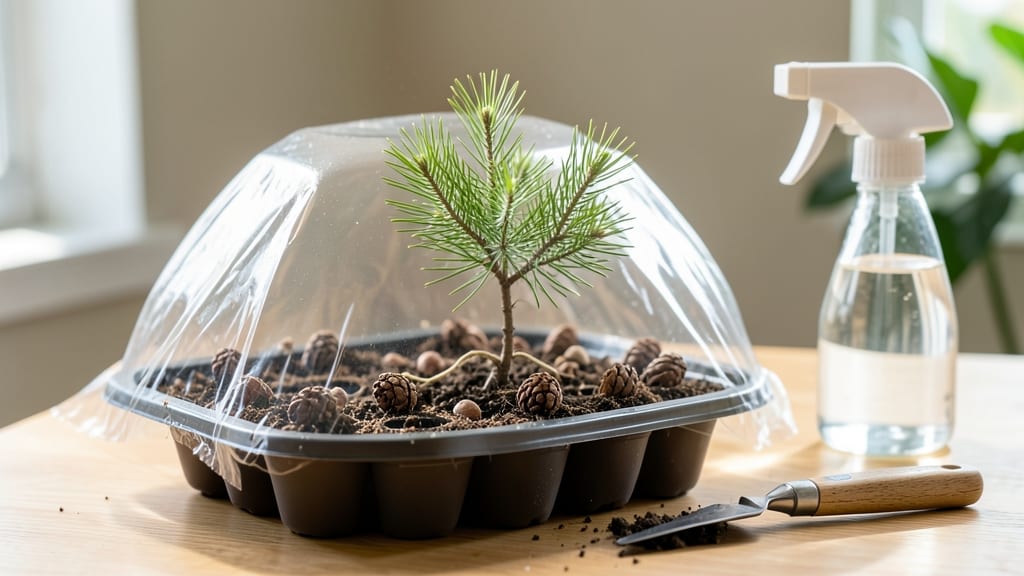
Bald cypress seed germination needs a cold stratification hack to break their dormancy—otherwise, you’ll stare at damp paper towels for months waiting for sprouts. 🌱 I’ve struggled with this myself, watching seeds either rot or refuse to wake up until I cracked the timing. The secret lies in mimicking winter’s slow thaw, which tricks the seeds into thinking spring has arrived. Start by soaking your seeds in warm water for 24 hours to soften the tough outer shell, then wrap them in a damp paper towel. Place the bundle in a sealed plastic bag and refrigerate for 8-12 weeks, checking weekly for mold (toss anything fuzzy). This cold treatment replicates the natural winter chill that bald cypress seeds rely on to germinate. Once you move them to a warm, sunny spot, germination happens in 2-4 weeks—tiny white roots will emerge first, followed by pale green shoots. Keep the soil consistently moist but never soggy, and avoid transplanting until seedlings have 3-4 true leaves to prevent shock. This method works reliably for both container-grown seedlings and direct outdoor sowing in mild climates. Patience is key, but the payoff—a mature cypress tree—makes the wait worthwhile.
📚 In This Guide
- What you need
- Instructions
- Tips and common mistakes
- Wrapping up and next steps
What you need
- ● Bald cypress seeds: 10–20 fresh, viable seeds (harvested in fall or purchased from a reputable supplier). Pro tip: 💡 Test viability by scratching the seed coat—if it’s hard and intact, it’s likely good to go!
- ● Cold stratification medium: Option 1: Moistened peat moss (1–2 cups, not soggy)
- ● Option 2: Vermiculite (1–2 cups, lightly dampened)
- ● Option 3: Paper towels (2–3 sheets, folded into a seed packet)
- ● Plastic storage bag or airtight container: 1 (quart-sized or larger, with a zip-top seal).
- ● Spray bottle: 1 (for gentle moisture control).
- ○ Fine-mesh strainer or colander: 1 (optional, for rinsing seeds if needed).
- ● Refrigerator or cold stratification setup: A standard fridge (34–40°F / 1–4°C) with a crisper drawer works perfectly. ❄️ No fridge? Use a cool basement or garage (consistent temps are key!).
- ● Plastic wrap or breathable lid: 1 (to cover the container and trap humidity).
- ● Permanent marker: 1 (to label your seeds and date).
- ○ Planting pots or seed trays: 2–4 (4–6" deep, with drainage holes; optional for post-stratification planting).
- ● Potting mix: 1 bag (well-draining, like a 50/50 blend of peat moss and perlite or a cactus/succulent mix).
- ○ Heat mat (optional): 1 (to speed up germination after stratification, set to 70–75°F / 21–24°C).
- ● Time commitment: 60–90 days of cold stratification + 2–4 weeks for germination.
- ● Patience: Bald cypress seeds are slow starters—consistency wins!
- ● Space: A cool, dark spot for stratification (no direct sunlight!).
Step-by-step bald cypress seed germination with cold stratification
Here's the foolproof method I use to break dormancy and get reliable sprouts—no guesswork involved.
🌱 Step 1: Collect and Clean the Seeds
Harvest mature bald cypress cones when they open naturally in late fall or winter. Spread them on a paper towel to dry for 2-3 days in a warm, dry place. This prevents mold while allowing seeds to separate easily from the cone scales. Once dry, gently rub the cones between your hands or tap them against a hard surface to release the seeds.
Remove any debris or damaged seeds by floating them in water. Viable seeds sink immediately, while empty or nonviable ones float. Collect only the sunken seeds—these are your starters. Store them in a paper envelope in a cool, dry place until stratification.
💧 Step 2: Prepare the Cold Stratification Mix
Fill a quart-sized container with a mix of 50% moistened peat moss and 50% perlite. The peat moss retains moisture while the perlite ensures good drainage—critical for preventing rot during stratification. Moisten the mix until it feels like a damp sponge; squeeze gently to check—water should bead but not drip.
Arrange the cleaned seeds 1 inch apart in the mix, pressing them in just enough to cover them lightly. Don’t bury them too deep; bald cypress seeds need light to trigger germination. Place a clear plastic lid or wrap on the container to maintain humidity, then seal it tightly.
❄️ Step 3: Stratify for 60-90 Days
Store the container in your refrigerator’s crisper drawer, where temperatures stay consistently between 34-40°F. Check the mix every 2 weeks—if it feels dry, mist lightly with water. The goal is to keep it damp but never soggy. This cold period mimics winter conditions and breaks seed dormancy.
After 60-90 days, remove the container and place it in a warm spot (70-75°F) to begin the germination process. You’ll notice the first signs of life within 7-14 days—tiny green sprouts pushing through the soil. This is your cue to move them to a sunny location for further growth.
☀️ Step 4: Transplant Germinated Seeds
Once seedlings reach 2-3 inches tall and develop their first true leaves, transplant them into individual 4-inch pots filled with a well-draining potting mix. Handle seedlings gently by their leaves, not the stems, to avoid damage. Water lightly after transplanting to settle the soil around the roots.
Place the pots in a location with full sun to partial shade and keep the soil consistently moist but not waterlogged. Bald cypress seedlings are sensitive to drying out, so monitor the top inch of soil—water when it feels dry to the touch. In 6-8 weeks, they’ll be ready for outdoor planting.
🌿 Step 5: Acclimate Before Outdoor Planting
Two weeks before your last frost date, begin hardening off the seedlings by placing them outdoors in a sheltered spot for 1-2 hours the first day. Gradually increase their outdoor time by 1 hour daily, exposing them to more sunlight and wind. This process strengthens their stems and prepares them for permanent planting.
Once seedlings tolerate a full day outside without wilting, they’re ready for the garden. Plant them in moist, well-drained soil in full sun to partial shade. Water deeply after planting to help roots establish. With patience, your bald cypress seedlings will grow into majestic trees in just a few years.
Tips & tricks for perfect bald cypress seed germination
These pro-level insights will help you maximize your success rate with cold stratification—no more wasted seeds or failed attempts.
Light Exposure Secret: Bald cypress seeds need just enough light to germinate, but too much can dry them out. After placing them 1 inch apart in the mix, I recommend covering the container with a clear plastic lid that allows diffused light through—like a greenhouse effect. This keeps humidity high while still letting light trigger germination. The seeds should never be completely buried; even a thin layer of soil blocks necessary light.
Temperature Matters: The 34-40°F range in your refrigerator's crisper drawer is perfect, but not all fridges are created equal. If your crisper runs warmer, consider using a dedicated seed stratification fridge or even a cool basement corner. The key is consistency—fluctuations above 40°F can wake the seeds too early, while below 34°F slows the process dangerously. A simple thermometer in the container gives you peace of mind.
Moisture Management: The "damp sponge" test is your best friend during stratification. When checking moisture every 2 weeks, squeeze a handful of the mix—water should bead on your fingers, not drip. Too dry? Mist lightly until just damp. Too wet? Sprinkle a little perlite on top to absorb excess moisture. Remember, soggy conditions breed mold faster than they promote germination. I've lost entire batches to overwatering, and you don't want that heartbreak.
Transplant Timing: Those 2-3 inches of height before transplanting might seem arbitrary, but it's the sweet spot. At this stage, seedlings have developed strong enough roots to handle repotting while still being small enough to manage easily. Wait too long, and you risk damaging delicate root systems. I mark my pots with a permanent marker when seedlings hit 2 inches—it's my visual cue to start planning the transplant. The first true leaves are your other signal that it's time to move them up.
Pro Tips for Bald Cypress Seed Germination
- These pro-level insights will help you maximize your success rate with cold stratification—no more wasted seeds or failed attempts.
- Light Exposure Secret: Bald cypress seeds need just enough light to germinate, but too much can dry them out.
- Temperature Matters: The 34-40°F range in your refrigerator's crisper drawer is perfect, but not all fridges are created equal.
Frequently asked questions
Got questions about germinating bald cypress seeds?
You’re not alone! Below are answers to the most common queries—from timing to troubleshooting—to help you boost your success rate with this finicky but rewarding process.
How long does cold stratification take for bald cypress seeds?
Cold stratification typically requires 60–90 days in a moist, chilled environment (like a fridge). Some growers extend this to 120 days for stubborn seeds. Monitor moisture levels—drying out seeds can break dormancy prematurely and reduce viability. Patience pays off!
Can I germinate bald cypress seeds without cold stratification?
While possible, cold stratification dramatically improves germination rates (from ~10% to 60–80%). If you skip it, try soaking seeds in warm water for 24–48 hours or using a sandpaper scratch to nick the seed coat. However, results may be hit-or-miss compared to the cold method.
What’s the best way to check if bald cypress seeds are still viable?
Test viability with the “float test”: Fill a glass with water and drop seeds in. Viable seeds sink (they’re dense and full of life), while hollow or dead ones float. Aim for 80%+ sink rate—if fewer than 50% pass, source fresh seeds or extend stratification.
Why aren’t my bald cypress seeds sprouting after stratification?
Common culprits include:
- Overly warm germination temps (ideal: 65–75°F)
- Damp-but-not-soaking conditions (use a humidity dome or plastic wrap)
- Old or damaged seeds (test viability first)
- Fungal growth (add a fungicide like hydrogen peroxide if mold appears)
How long does it take for bald cypress seeds to germinate after stratification?
Germination can take 2–12 weeks post-stratification, depending on conditions. Most seeds sprout within 4–6 weeks if kept consistently moist and warm. Avoid moving pots or disturbing them—cypress seeds are sensitive to stress during this phase!
Wrapping up and next steps
Growing bald cypress from seed is a rewarding journey—especially when you unlock the secret of cold stratification! With patience and the right techniques, you’ll soon watch those tiny seeds transform into sturdy saplings.
Whether you’re restoring wetlands, enhancing your landscape, or simply nurturing native plants, your efforts will make a real difference.
Ready to take the next step? Start small—plant a few seeds in pots to refine your method, then scale up as you gain confidence. Happy gardening, and may your bald cypress forest flourish! 🌱💚