
Propagation
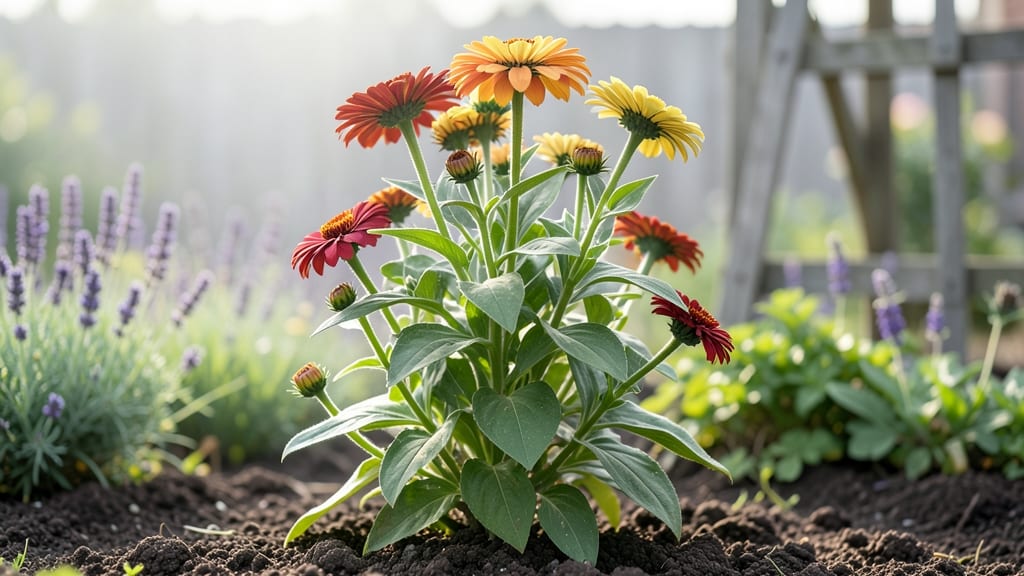
Growing zinnias from seed to bloom turns your garden into a nonstop color show—and it’s easier than you think. 🌻 I’ve watched these cheerful blooms transform bare soil into a riot of pinks, oranges, and reds in just 60 days, with zero fuss.
The secret? Timing, sunlight, and a little patience—no gardening degree required.
Start with the right seeds—look for heat-tolerant varieties like ‘Benary’s Giant’ or ‘Profusion’—and plant them 1/4-inch deep after your last frost when soil reaches 60°F. Zinnias thrive in full sun (at least 6 hours daily) and well-draining soil, so skip the heavy clay unless you’re amending it.
Water at the base, not overhead, to keep foliage dry and blooms vibrant.
By week 6, you’ll see those first bright faces peeking through, and by week 8, they’ll be in full, neighborhood-stopping bloom. The key to longevity? Deadhead spent blooms regularly and fertilize lightly every 2 weeks with a balanced formula.
Pests are rare, but watch for spider mites—just spray with water if you spot them.
This method works for containers, raised beds, or in-ground plots, and zinnias even attract pollinators like bees and butterflies. Once you master the rhythm, you’ll be snipping bouquets straight from your garden all summer long. Ready to dive in?
📚 In This Guide
- What you need
- Instructions
- Tips and common mistakes
- Wrapping up and next steps
What you need
- ● Zinnia seeds: Choose a variety (e.g., Benary’s Giant, Profusion, or Crystal—packets typically contain 100+ seeds).
- ● Seed-starting mix: 1–2 gallons of sterile, well-draining potting soil (avoid garden soil—it’s too dense!).
- ● Containers: Seed trays or small pots (3–4 inches deep) for starting seeds indoors.
- ○ Biodegradable peat pots (optional but helpful for transplanting).
- ● Grow lights or sunny windowsill: A fluorescent or LED grow light (12–16 hours/day) if starting indoors before last frost.
- ● Watering can or spray bottle: With a fine mist setting for gentle watering.
- ● Fertilizer: Balanced liquid fertilizer (5-10-5 or 10-10-10) for seedlings.
- ○ Slow-release granular fertilizer (optional, for transplanting outdoors).
- ● Transplant containers: Individual pots (4–6 inches) or garden beds (after frost risk passes).
- ● Garden tools: Trowel for planting.
- ● Pruners or scissors for deadheading (to encourage more blooms!).
- ● Climate: Zinnias thrive in USDA Zones 3–11. Start seeds indoors 6–8 weeks before last frost or direct-sow after soil reaches 50–60°F (10–15°C).
- ● Sunlight: Full sun (6+ hours/day)—zinnias love baking in the sun!
- ● Water: Consistent moisture (keep soil evenly damp but not soggy).
- ● Spacing: Thin seedlings to 12–18 inches apart for optimal airflow and blooms.
- ● Mulch (straw or shredded leaves) to retain moisture and deter weeds.
- ● Epsom salt (1 tbsp per gallon of water) for magnesium boosts (especially for tall varieties).
- ● Stakes or cages (for varieties like Benary’s Giant that may flop).
- ● Compost or worm castings to enrich soil naturally.
Step-by-step instructions for growing zinnias from seed to bloom
Here's how to coax those bold, cheerful zinnias from tiny seeds into a summer-long burst of color.
🌱 Step 1: Start Seeds Indoors at the Right Time
Zinnias need warmth to germinate, so begin seeds indoors 4-6 weeks before your last frost date. I use biodegradable peat pots (2-3 inches deep) filled with sterile seed-starting mix—never garden soil, which can harbor fungal spores. Moisten the mix until it feels like a wrung-out sponge: damp but not dripping.
Plant 2-3 seeds per pot at a depth of ¼ inch, pressing them gently into the soil with your finger. Cover lightly with additional mix, then mist the surface with water until evenly moist. Place the pots in a seedling heat mat set to 75-80°F—this ensures 90% germination within 7-10 days. Without warmth, seeds may take twice as long or fail entirely.
☀️ Step 2: Provide Optimal Light and Prevent Leggy Growth
The moment seedlings emerge, move them under grow lights or to a south-facing window where they’ll receive 14-16 hours of light daily. Zinnias grow fast but stretch desperately toward weak light, developing thin, pale stems that snap easily. You’ll know your light is right when seedlings have thick stems and leaves spaced no more than 1 inch apart.
Keep the soil surface slightly damp but never soggy—overwatering at this stage causes damping-off, a fungal disease that collapses seedlings overnight. Water from the bottom by placing pots in ½ inch of water for 10 minutes, then drain. This method encourages strong root development without weakening stems.
🪴 Step 3: Harden Off and Transplant After Frost
Two weeks before your last frost, begin hardening off seedlings by placing them outside in partial shade for 1-2 hours the first day. Gradually increase exposure by 1 hour daily, moving them to direct sun by day 7. Watch for wilting or leaf scorch—if you see this, they’re not ready yet. Zinnias tolerate cold better than heat, so transplant on a cool, overcast afternoon to reduce shock.
Dig holes twice as wide as the root ball but no deeper, then space plants 8-12 inches apart in full sun. Mix 1 tablespoon of 10-10-10 fertilizer into the planting hole to give them a nutrient boost. Water deeply at planting to settle soil around roots, then let the surface dry before watering again—zinnias hate soggy roots but need 1 inch of water weekly once established.
✂️ Step 4: Deadhead and Maintain for Continuous Blooms
Zinnias bloom 60-75 days from seed, but deadheading spent flowers 2-3 times weekly extends the season by 4-6 weeks. Use clean pruners to snip stems ½ inch above the next set of leaves, encouraging bushier growth. I pinch back leggy stems at 6 inches tall to promote branching—this creates a fuller plant with more flower heads.
Fertilize lightly every 4-6 weeks with half-strength 10-10-10 to avoid leafy growth at the expense of blooms. Watch for powdery mildew on humid days—spraying leaves with neem oil weekly prevents outbreaks. If aphids appear, blast them off with a strong stream of water from the hose; zinnias are tough and bounce back quickly.
🌿 Step 5: Extend the Season with Simple Tricks
To keep zinnias blooming until frost, cut back plants by ⅓ in early fall—this stimulates a second flush of flowers. Mulch around the base with 2 inches of straw to insulate roots and retain moisture. In warm climates, zinnias often reseed themselves; let a few flowers go to seed to naturalize for next year’s garden.
Harvest flowers in the early morning when petals are fully open for the longest vase life. Store stems in cool water until arranging—zinnias last 7-10 days in a bouquet, their vibrant colors fading only slightly over time. The key to their longevity? Consistent deadheading and balanced watering—skip either, and blooms slow to a trickle.
Tips & tricks for perfect zinnia growth
These game-changing insights will help you transform tiny zinnias into a vibrant garden showstopper—no green thumb required.
Germination Success: The 75-80°F heat mat temperature is non-negotiable for fast germination. If your home stays cooler than this, consider using a seedling heating pad or even placing pots on top of your refrigerator (which often stays warm). I've seen germination rates drop to 50% when seeds sit in cooler conditions—don't let that happen to you! The ¼-inch depth is also critical; planting too deep smothers seeds, while too shallow causes them to dry out.
Lighting Strategy: Those 14-16 hours of daily light are essential for preventing leggy seedlings. If natural light falls short, supplement with a simple LED grow light placed just 6 inches above seedlings. I've noticed that seedlings under insufficient light develop stems so weak they collapse when touched—something you definitely want to avoid. Rotate pots daily so all sides receive even light exposure, preventing uneven growth that leads to lopsided plants.
Harden-Off Smartly: The gradual 1-2 hour to direct sun progression during hardening off is where most beginners fail. I recommend keeping a spray bottle handy to mist leaves if they start wilting—this prevents permanent damage. Watch for the leaves' response: if they perk up within minutes of watering, they're ready for more sun. Also, avoid hardening off on windy days; zinnias are tough but young seedlings can be easily stressed by strong breezes.
Post-Bloom Revival: That ⅓ cut-back in early fall might seem drastic, but it's the secret to extending your zinnias' season. The plant interprets this as a signal to put all its energy into producing new flowers rather than maintaining old ones. I've seen zinnias that would have died back by frost instead produce a second flush of vibrant blooms when pruned this way—it's like giving them a new lease on life!
Pro Tips for Zinnias From Seed To Bloom
- These game-changing insights will help you transform tiny zinnias into a vibrant garden showstopper—no green thumb required.
- Germination Success: The 75-80°F heat mat temperature is non-negotiable for fast germination.
- Lighting Strategy: Those 14-16 hours of daily light are essential for preventing leggy seedlings.
Frequently asked questions
Got questions about growing zinnias from seed to those stunning blooms? You’re not alone! Here are answers to the most common queries to help you cultivate confidence in your garden.
How long does it take for zinnia seeds to germinate?
Zinnia seeds typically sprout in 5–10 days after planting, depending on soil warmth and moisture. Keep the soil consistently damp (not soggy) and place seeds in a sunny spot or under grow lights. If germination takes longer than two weeks, try lightly scratching the seeds or adjusting your soil temperature (ideal: 70–80°F).
Can I plant zinnia seeds directly in the garden, or should I start indoors?
Both work! For faster blooms, start seeds 4–6 weeks before your last frost date indoors under grow lights. If you prefer direct sowing, plant seeds after all frost risk has passed and soil is warm (at least 50°F). Zinnias hate transplanting, so avoid moving seedlings unless necessary.
Why are my zinnia seedlings leggy or falling over?
Leggy seedlings usually mean too little light or overcrowding. If growing indoors, place seedlings within 2–3 inches of a grow light (14–16 hours/day). Thin seedlings to 12–18 inches apart once true leaves appear. For outdoor seedlings, ensure they’re in a sunny, sheltered spot and water at soil level (not overhead) to prevent weak stems.
Do zinnias need full sun, and what if I only have partial shade?
Zinnias thrive in full sun (6+ hours daily), but they’ll tolerate 4–6 hours of sun in partial shade, especially in hot climates. In shady spots, expect smaller blooms and fewer flowers. If your garden is shady, choose dwarf varieties like ‘Thumbelina’ or pair zinnias with taller sun-lovers (like sunflowers) to maximize light exposure.
How do I keep zinnias blooming all season?
Deadhead spent blooms regularly (pinch or snip flowers just above a set of leaves) to encourage continuous blooming. Fertilize lightly with a balanced, water-soluble fertilizer every 3–4 weeks, and water at the base (avoid wetting leaves to prevent mildew). Cutting flowers for bouquets also stimulates new growth—just leave a few blooms to reseed for next year!
Can I save zinnia seeds for next year?
Let some flowers go to seed by leaving the dried blooms on the plant. Once the seed heads turn brown and papery, snip them off, remove seeds from the center, and store them in a cool, dry place (like an envelope in the fridge). Most zinnia seeds remain viable for 2–3 years, though germination rates drop over time.
Wrapping up and next steps
Growing zinnias from seed to bloom is a rewarding journey that brings bursts of color to your garden in just 60 days—no fuss, no guesswork! With the right soil, sunlight, and care, these cheerful blooms thrive effortlessly, making them perfect for beginners and seasoned gardeners alike. 🌸
Now that you’re armed with tips and tricks, why not take the next step? Grab your seeds, pick a sunny spot, and watch your garden transform into a vibrant canvas. Happy planting—and enjoy those stunning zinnias in no time! 🌱