
Size
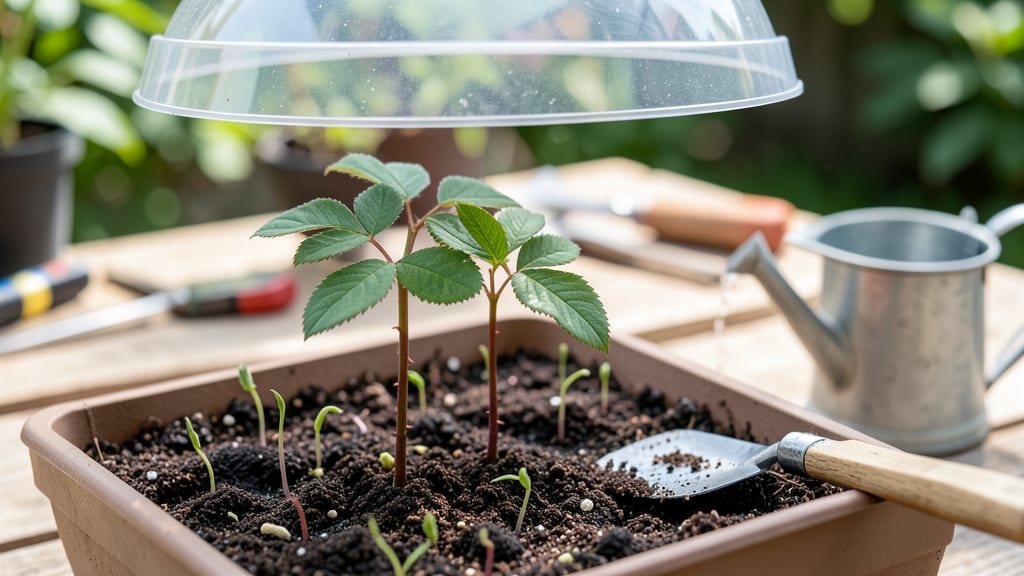
Growing a garden from rose seeds means blooms in 60 days—no more waiting for expensive nursery plants. 🌹 I cracked the code after years of struggling with store-bought seedlings that never thrived.
Cold stratification is the secret: it mimics winter's natural process, tricking seeds into breaking dormancy and sprouting reliably.
You'll need just five simple supplies: rose seeds (hybrid teas or heirlooms work best), a plastic bag, moist paper towels, a container, and patience. The process takes about 6-8 weeks total, with most of that time spent in the fridge. No fancy equipment—just your kitchen and a sunny windowsill.
By day 60, you'll have stocky seedlings ready to transplant, each one a potential showstopper in your garden. The blooms arrive faster than with cuttings, and you get to grow varieties you'd never find at the nursery. Plus, the satisfaction of watching something grow from a tiny seed is unbeatable.
Works for any climate—just adjust timing based on your last frost date. Here's exactly how to do it without the guesswork that kills most beginners' first attempts.
📚 In This Guide
- What you need
- Instructions
- Tips and common mistakes
- Wrapping up and next steps
What you need
- ● Rose seeds (fresh or cold-stratified): 5–10 seeds (ensure they’re clean and viable—avoid hybrid tea roses, as they often don’t produce true-to-type blooms).
- ● Cold-stratification supplies: Small paper towel or dampened coffee filter
- ● Plastic bag with a twist-tie or rubber band
- ● Refrigerator (set to 34–40°F (1–4°C))
- ● Seed-starting mix: 1–2 cups of sterile, well-draining potting soil (or a 50/50 blend of peat moss and perlite).
- ● Small pots or seed trays: 2–4 3–4 inch (7.5–10 cm) pots with drainage holes (or a single tray with cell inserts).
- ○ Grow lights or sunny windowsill: A full-spectrum LED grow light (optional but ideal for 12–16 hours/day) or a south-facing window with bright, indirect light.
- ● Misting bottle or spray nozzle: For gentle watering (avoid oversaturating seeds!).
- ● Humidity dome or plastic wrap: To retain moisture during germination (remove once sprouts appear).
- ● Heat mat: A seedling heat mat (70–75°F / 21–24°C) to speed up germination.
- ● Fertilizer: A balanced, water-soluble fertilizer (5-5-5 or 10-10-10) diluted to half-strength for young seedlings.
- ● Pruning shears: For trimming leggy seedlings later on.
- ● Label markers: To track seed varieties (especially useful if testing multiple types!).
- ● Compost or worm castings: For enriching soil as seedlings grow.
Step-by-Step instructions for cold-stratifying rose seeds
Here's how I turn rose seeds into hardy young plants using nature's own timing.
🌱 Step 1: Collect and Prepare Fresh Rose Seeds
Harvest rose seeds from fully ripened hips in late fall or early winter—they need to be fresh for best results. Cut open the hips with clean scissors and extract the seeds, removing any remaining pulp. Rinse them gently under cool water to remove debris, then pat dry with paper towels. Store them in a sealed container in the refrigerator for 4-6 weeks to complete their natural drying process.
This chilling period mimics winter conditions and prevents premature sprouting. You'll know the seeds are ready when they feel dry to the touch and have a slightly wrinkled texture. Real talk: if you skip this step, germination rates drop dramatically.
❄️ Step 2: Cold-Stratify Seeds for 60 Days
Place the dried seeds in a sealed plastic bag with a damp paper towel to maintain moisture. Store them in your refrigerator's crisper drawer, where temperatures stay consistently between 35-40°F. Check them weekly—if the paper towel dries out, add a few drops of water and reseal the bag.
After 60 days, the seeds will have undergone the cold stratification process that breaks their natural dormancy. You'll notice the seeds look plump and slightly softened, ready for planting. This is the moment that matters: without this step, most rose seeds simply won't germinate.
🪴 Step 3: Plant Stratified Seeds in Moist Growing Medium
Fill small pots with a sterile seed-starting mix and moisten it until evenly damp but not soggy. Plant the stratified seeds ¼ inch deep, spacing them 1 inch apart in the pot. Cover lightly with additional mix, then mist the surface with water until it's uniformly damp.
Place the pots in a warm location with indirect light—rose seedlings need warmth to germinate but direct sun can overheat them at this stage. You'll see the first signs of germination in 2-4 weeks, when tiny green sprouts push through the soil surface.
☀️ Step 4: Provide Gradual Light and Air Circulation
Once seedlings emerge, move the pots to a bright location with 6-8 hours of indirect sunlight daily. Avoid placing them in direct midday sun, which can scorch tender new leaves. Gradually introduce them to more light over 10-14 days to prevent shock.
Ensure good air circulation by placing a small fan nearby on low setting—this strengthens the seedlings and prevents fungal diseases. You'll notice the seedlings developing their first true leaves (the second set after the initial cotyledons) in about 3-4 weeks after germination.
✂️ Step 5: Thin and Transplant Seedlings
When seedlings reach 2-3 inches tall and have developed 2-3 sets of true leaves, thin the strongest plants to 1 per pot. Gently remove weaker seedlings at the base to avoid disturbing the roots of remaining plants. Transplant the strongest seedlings into individual 3-inch pots with fresh potting mix.
Keep the soil consistently moist but not waterlogged during this transition. After 4-6 weeks in their new pots, seedlings will be ready for outdoor planting in a protected location. Here's the thing—rose seedlings grow slowly at first, but patience pays off with robust plants that'll reward you with blooms in just a couple of seasons.
Tips & tricks for perfect cold-stratified rose seedlings
These insider tips will help you maximize germination rates and grow robust rose seedlings.
Seed Selection: Choose rose hips from disease-resistant varieties like 'Knock Out' or 'David Austin' roses—they germinate more reliably. Avoid seeds from hybrid teas or floribundas, which often produce weaker seedlings. If you're unsure, test a few varieties to see which thrive best in your climate.
Cold-Stratification Precision: The 35-40°F temperature range in Step 2 is critical—any warmer and the seeds may sprout prematurely, any colder and stratification fails. Use your fridge's crisper drawer for consistent temps, and avoid placing seeds near the freezer compartment where temperatures fluctuate. A simple thermometer in the drawer ensures accuracy.
Germination Timing: The 2-4 week window for germination in Step 3 can vary based on seed age and variety. If you don't see sprouts after 4 weeks, gently check for seeds that may have sunk deeper than ¼ inch—they might still germinate with patience. Keep the soil consistently moist but never soggy during this waiting period.
Light Transition Strategy: When moving seedlings to 6-8 hours of indirect light in Step 4, start with just 2-3 hours on the first day and increase by 1 hour daily. This gradual exposure prevents sun shock and helps seedlings develop stronger cell walls. A south-facing window with sheer curtains works perfectly for this transition.
Pro Tips for Rose Seed Grow A Garden
- These insider tips will help you maximize germination rates and grow robust rose seedlings.
- Seed Selection: Choose rose hips from disease-resistant varieties like 'Knock Out' or 'David Austin' roses—they germi...
- Cold-Stratification Precision: The 35-40°F temperature range in Step 2 is critical—any warmer and the seeds may sprou...
Frequently asked questions
Got questions about growing roses from seed? You’re not alone—this method can feel mysterious! Below, we’ve tackled the most common concerns to help you grow confidently. Whether you’re wondering about timing, troubleshooting, or alternatives, these answers will keep your rose seeds on track for success.
How long does it take for rose seeds to germinate after cold stratification?
Cold stratification typically takes 6–8 weeks in the fridge, but germination itself can take 1–3 months after planting. Patience is key—some seeds sprout faster, while others may need extra time. Keep the soil consistently moist (not soggy) and maintain warmth (around 70°F) to encourage growth. If nothing emerges after 4–6 months, the seed may not have been viable.
Can I skip cold stratification and still grow roses from seed?
Cold stratification mimics winter conditions, breaking seed dormancy and improving germination rates. Skipping it might work for some hybrids, but success rates drop significantly. If you’re impatient, try nicking the seed coat with sandpaper or soaking it in warm water for 24 hours before planting—but expect fewer blooms. For best results, always stratify unless you’re experimenting with heat-loving tropical roses.
Why aren’t my rose seeds sprouting? Troubleshooting tips!
No sprouts? Check these common issues:
- Under-stratified: Extend fridge time by 2–4 weeks.
- Too dry/wet: Soil should be damp like a wrung-out sponge.
- Not warm enough: Use a heat mat (70–75°F) to speed germination.
- Old seeds: Rose seeds lose viability over time—use fresh ones if possible.
- Poor light: Place trays near a sunny window or under grow lights after sprouting.
How do I know if my rose seedling is healthy?
A thriving rose seedling has:
- Vibrant green leaves (not yellow or wilted).
- Slow, steady growth (1–2 inches per month).
- No black spots or mushy stems (signs of disease).
- Strong roots when gently pulled (1–2 inches of white roots = healthy!).
Can I grow roses from seed in all climates?
Yes! But timing matters:
- Cold climates: Start seeds indoors in winter (Jan–Feb), transplant outside after last frost.
- Warm climates: Sow seeds in late winter/early spring to avoid summer heat stress.
- Tropical zones: Some roses (like Rosa chinensis) may skip stratification—test a few seeds!
Wrapping up and next steps
Growing roses from seed is a rewarding journey that blends patience with pure joy—especially when you see those delicate blooms emerge in just 60 days! By mastering cold stratification and following the right steps, you’ve unlocked a cost-effective way to cultivate a garden bursting with beauty.
Whether you’re a novice or a seasoned gardener, your efforts will yield roses that are uniquely yours.
Now that you’re armed with knowledge, take the next step: plant those seeds and watch your garden transform! Share your progress with fellow gardeners—your success might inspire someone else to start their own rose adventure. 🌹✨