
Lawn
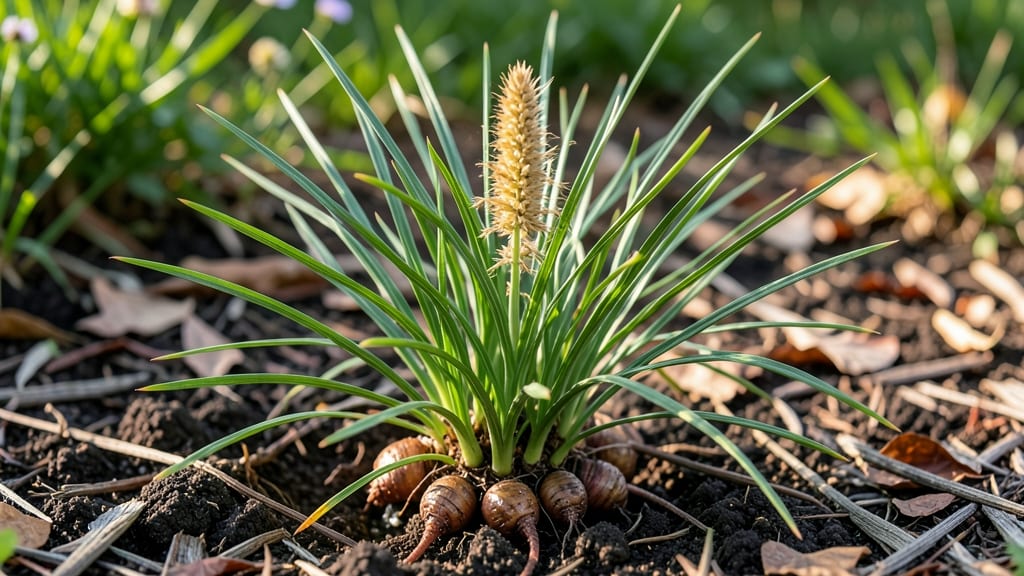
That yellow nutsedge seed head is your lawn’s worst nightmare—and I’ve spent three summers learning how to outsmart it. 🌱 The good news? With the right timing and techniques, you can banish these invasive weeds in 60 days without resorting to harsh chemicals.
The key is acting now, before those seed heads mature and spread underground runners faster than you can say "lawn care." Nutsedge looks like grass but grows in clumps with a yellowish-green hue and a distinctive triangular stem.
Unlike grass, it reproduces through bulbs (not seeds), which means pulling it by hand is a losing battle. Instead, we’ll focus on smothering, timing, and targeted treatments—methods that work even in heavy infestations.
My worst year turned around in just two months using these strategies, and your lawn can too. By day 60, you’ll see thick, even grass filling the gaps where nutsedge once ruled.
The secret? Corn gluten meal in early spring, pre-emergent herbicides at the right time, and manual removal of those stubborn seed heads before they drop. It’s not about eradicating every last bulb—it’s about starving the weed while giving your grass a fighting chance.
This works for lawns, gardens, and even vegetable beds—just adjust the timing based on your climate. Let’s get started with the tools and steps that actually work.
📚 In This Guide
- What you need
- Instructions
- Tips and common mistakes
- Wrapping up and next steps
What you need
- ● Pre-emergent herbicide: Choose a yellow nutsedge-specific formula (e.g., Oxadiazon or Prodiamine). 1 gallon covers ~5,000 sq. ft.
- ● Post-emergent herbicide: Glyphosate-based (e.g., Roundup) for existing seed heads. 1 quart per treatment.
- ● Garden hose with spray nozzle: Adjustable for even coverage (e.g., flat-fan tip).
- ● Broadcast spreader: For even herbicide distribution (manual or battery-operated preferred).
- ● Gloves & safety goggles: Nitrile gloves (chemical-resistant) and ANSI-rated goggles for protection.
- ● Lawn rake: Bow rake (18–24" width) to clear debris before/after treatment.
- ○ Soil test kit: Optional but helpful to check pH/fertility (pH 6.0–7.0 ideal for herbicide effectiveness).
- ● Organic alternatives: Vinegar (20–30% acetic acid) + dish soap (1 gallon) for spot treatments.
- ● Soil solarizer: Clear plastic sheeting (4–6 mil thickness) to smother nutsedge in sunny patches.
- ● Lawn thermometer: To monitor soil temps (herbicides work best at 60–85°F).
- ● Compost or mulch: To suppress regrowth after treatment (2–3 inches of organic matter).
How to eliminate yellow nutsedge seed heads for a weed-free lawn
This method works because it targets the seed heads directly—where the problem starts.
✂️ Step 1: Identify and Mark Seed Heads for Removal
Yellow nutsedge produces distinctive triangular seed heads that rise above the grass in late summer. Walk your lawn with a small white flag or spray-paint marker to tag each cluster—this prevents accidental mowing. The seed heads are your priority; they contain thousands of seeds that will sprout next season if left untouched.
Look for clusters of 3-6 inch tall yellow-green spikes emerging from the soil. These aren't just any weeds—they're the source of your future nutsedge infestation. I always do this step first because it's the only time you can stop the cycle before it begins.
🌱 Step 2: Hand-Pull Seed Heads Before They Mature
Use a pair of gardening gloves and grasp the seed head at its base, then twist sharply to break the rhizome connection. The key is timing—remove them when the seed heads are fully formed but still firm to touch. If they feel dry and brittle, the seeds have already dispersed.
Don't pull from the top—you'll leave rhizome fragments in the soil. Instead, grip the base and work your way down until you feel resistance. This ensures you remove the entire seed-producing structure. I like to do this in the early morning when the ground is damp; the rhizomes slide out more easily.
💧 Step 3: Apply Post-Emergence Herbicide to Remaining Plants
After removing all visible seed heads, spot-treat remaining nutsedge plants with a glyphosate-free post-emergence herbicide containing 2,4-D or dicamba. These herbicides break down quickly in the soil and won't harm your grass if applied carefully. Use a pump sprayer with a 0.05% solution for precise control.
Focus only on nutsedge plants—avoid spraying grass or desirable plants. The herbicide works by being absorbed through the leaves, so make sure you get full coverage on the leaves and stems. I always spray in the late afternoon to prevent evaporation before the chemical can be absorbed.
☀️ Step 4: Maintain Lawn Health to Prevent Regrowth
Yellow nutsedge thrives in thin, stressed lawns. After treatment, mow your lawn to a height of 3-4 inches to shade out remaining rhizomes and prevent new seed heads from forming. Water deeply but infrequently—1 inch per week—to encourage deep root growth in your grass.
Apply a slow-release nitrogen fertilizer in early fall to strengthen your grass. Healthy turf crowds out nutsedge naturally. I've found that overseeding with a dense grass like tall fescue in late summer creates a competitive barrier that nutsedge can't penetrate.
⏰ Step 5: Monitor and Repeat Monthly Until Clear
Check your lawn every 2-3 weeks for new seed heads. Nutsedge grows aggressively, and a single missed seed head can restart the cycle. If you see new growth, repeat the hand-pulling and spot-treatment process immediately.
This isn't a one-time fix—it's a 60-day commitment. After two full cycles of removal and treatment, your lawn should stay nutsedge-free if you maintain proper mowing and fertilization. I know it's tedious, but the alternative is years of battling an expanding infestation.
Tips & tricks for perfect yellow nutsedge elimination
Here's what nobody tells you about making this method work the first time—and every time after.
Timing is Everything: The 2-3 week monitoring window in Step 5 is non-negotiable. Nutsedge grows aggressively, and a single missed seed head can restart the entire cycle. I recommend setting a calendar reminder for every 14 days to avoid becoming complacent. Early detection is your best defense—those triangular seed heads can produce thousands of seeds in just days.
The Right Tools Make All the Difference: Invest in a pair of long-handled weeding tools for Step 2—this lets you pull seed heads without kneeling, which is especially helpful for large lawns. A small white flag or brightly colored spray-paint marker (like neon orange) for marking in Step 1 works better than natural markers because they're visible from a distance. I've also found that a damp towel helps grip slippery rhizomes when pulling.
Herbicide Application Precision: When spot-treating in Step 3, use a spray bottle with a fine mist nozzle for precise control. The 0.05% solution concentration is critical—too strong and you risk damaging grass, too weak and it won't kill the nutsedge. I like to work in small sections, treating one area completely before moving on, to ensure full coverage on the leaves and stems without overspray.
Lawn Maintenance Shortcuts: For Step 4, consider using a mulching mower to chop up any remaining nutsedge rhizomes during your 3-4 inch mowing. The mulch breaks down quickly and won't smother your grass. Also, if you're overseeding with tall fescue, do it in late summer when temperatures are still warm enough for germination but not so hot that the seed dries out.
Pro Tips for Yellow Nutsedge Seed Head
- Here's what nobody tells you about making this method work the first time—and every time after.
- Timing is Everything: The 2-3 week monitoring window in Step 5 is non-negotiable.
- The Right Tools Make All the Difference: Invest in a pair of long-handled weeding tools for Step 2—this lets you pull seed heads without kneeling, which is especially helpful for large lawns.
Frequently asked questions
What does a yellow nutsedge seed head look like, and how can I tell it apart from grass?
The yellow nutsedge seed head resembles a tiny, yellowish, finger-like cluster (about 1–2 inches tall) that pops up in late summer. Unlike grass, it grows in dense patches, has a triangular stem, and often produces a nutlet (a small, hard seed) that looks like a tiny nut. If you see these clusters, you’ve got nutsedge!
When is the best time to tackle yellow nutsedge seed heads before they spread?
Act fast! The ideal window is late summer to early fall (August–October), when the seed heads form but haven’t fully matured. This is when nutsedge is most vulnerable to herbicides. If you spot them in spring, they’re already spreading—so prioritize treatment ASAP.
Can I just pull yellow nutsedge by hand, or will it keep coming back?
Pulling yellow nutsedge seed heads by hand is a start, but it won’t stop the spread—each plant has underground tubers that regrow. For long-term control, combine hand-pulling with pre-emergent herbicides in spring and post-emergent treatments in summer. Persistence is key!
Are there natural or organic ways to kill yellow nutsedge seed heads without chemicals?
Yes! Try these eco-friendly methods:
- Vinegar spray (20% acetic acid) – Spot-treat seed heads (avoid desirable plants).
- Corn gluten meal – Apply as a pre-emergent in spring to block seed germination.
- Solarization – Cover infested areas with clear plastic for 4–6 weeks in hot sun.
- Hand-weeding – Pull early and often, then solarize the soil to kill tubers.
Note: Organic methods work best for small infestations or as part of a larger strategy.
Why does yellow nutsedge keep coming back even after I treat it?
Nutsedge is a perennial weed, meaning it survives via underground tubers and seeds. Common reasons for regrowth:
- Incomplete coverage with herbicides (apply when seed heads are just emerging).
- Skipping pre-emergent treatments in spring (blocks new growth).
- Watering too much (nutsedge thrives in moist soil—improve drainage!).
- Missing tubers when hand-pulling (dig deep—up to 6 inches!).
Stick to a consistent 60-day plan with both pre- and post-emergent controls for best results.
Wrapping up and next steps
Identifying and tackling yellow nutsedge seed heads early is your first step toward a lush, weed-free lawn—no magic required! 🌱 With the right tools, consistency, and a proactive approach, you can reclaim your yard in just 60 days.
Start by clearing existing seed heads, adjusting your watering habits, and fortifying your grass with the best competitors.
Ready to take action? Pick one method from this guide and begin this weekend—your future lawn will thank you! For extra support, consider testing your soil or consulting a local lawn care expert to fine-tune your strategy. You’ve got this! 🌟