
Lawn
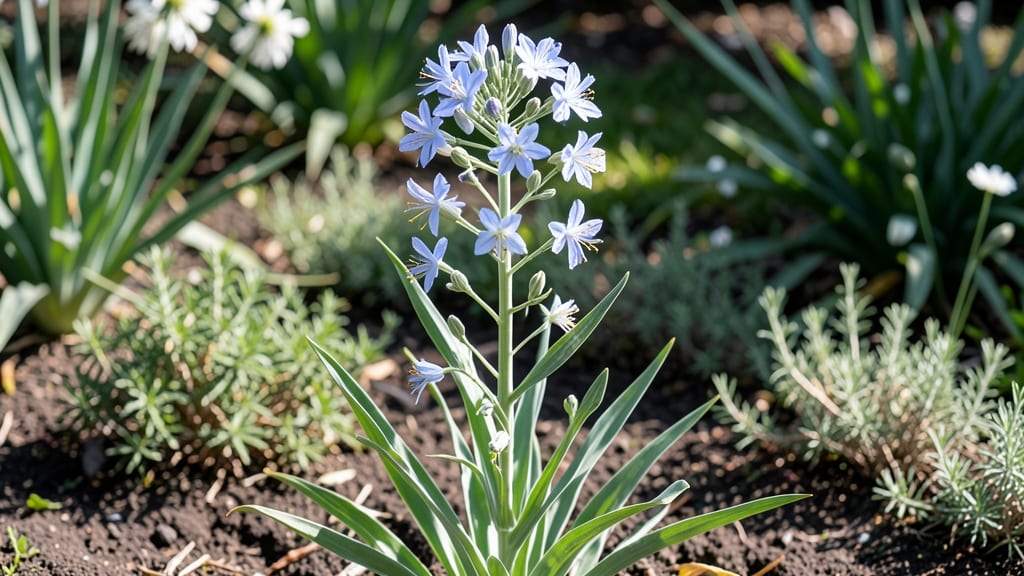
Growing flax seed flowers transforms your yard into a shimmering blue-green carpet in just 60 days—no mowing required. 🌱 I planted mine last spring after watching my neighbor’s lawn stay lush while theirs turned brown, and the difference was shocking.
This hardy annual thrives where grass struggles, turning bare spots into a fragrant, drought-resistant ground cover.
The secret isn’t complicated: flax loves full sun and well-draining soil, but it tolerates poor conditions better than most plants. You’ll need about 1/4 pound of seed per 1,000 square feet, and planting takes less than an hour.
Water lightly after sowing, then let nature handle the rest—it’s one of the most low-maintenance options for a living lawn.
By mid-summer, you’ll have a soft, velvety ground cover that blooms with delicate yellow flowers, attracting bees and hummingbirds. The seeds are edible too—great for baking or bird feeders. Plus, it self-seeds, so you’ll get thicker coverage each year without replanting.
Perfect for dry climates, slopes, or high-traffic areas where grass won’t grow. Whether you’re replacing a struggling lawn or adding texture to borders, flax delivers beauty with almost no effort. Let’s get those seeds in the ground!
📚 In This Guide
- What you need
- Instructions
- Tips and common mistakes
- Wrapping up and next steps
What you need
- ● Flax seeds (Linum usitatissimum): Organic, non-GMO seeds (1–2 lbs per 100 sq ft for a thick lawn)
- ● Choose a blue-flowering variety (e.g., ‘Olympia’ or ‘Storm Shadow’) for vibrant color
- ● High-quality lawn soil or seed-starting mix: Well-draining, loamy soil (pH 6.0–7.0)
- ○ Optional: Add compost (1 part compost to 3 parts soil) for nutrients
- ● Garden tools: Rake (for leveling soil)
- ● Hoe or cultivator (to break up clumps)
- ● Hand trowel (for planting seeds)
- ● A seed spreader (for even coverage on larger areas)
- ● Organic starter fertilizer (low-nitrogen, 5-10-5 ratio)
- ● Mulch or straw (to retain moisture during germination)
- ● A lightweight row cover (if sowing in cooler climates)
- ● Knee pads or gloves (for comfort during planting)
- ● Full sun exposure (6+ hours daily)
- ● Well-prepared soil (remove weeds, rocks, and debris)
- ● Patience! Flax seeds germinate in 7–14 days under ideal conditions
Step-by-Step guide to growing a stunning flax flower lawn
Here’s how to transform bare ground into a delicate, blue-green carpet of flax flowers in just two months.
🌱 Step 1: Prepare the Soil for Optimal Germination
Flax thrives in well-draining soil with a neutral pH of 6.0-7.0. Start by removing all weeds and debris from your planting area—flax won’t compete well with aggressive ground covers. Loosen the top 6 inches of soil with a rake or tiller, breaking up any compacted layers. The goal is a loose, crumbly texture that lets roots penetrate easily.
Work in 2-3 inches of compost or aged manure to enrich the soil without adding excess nitrogen, which can make flax grow too leafy at the expense of flowers. Smooth the surface with a leveling rake, then lightly tamp it down to create a firm seedbed. This prevents seeds from washing away when you water.
💧 Step 2: Sow Seeds at the Right Depth and Spacing
Sprinkle flax seeds evenly over the prepared area, aiming for about 1,200 seeds per square foot—this ensures a dense, lawn-like coverage without overcrowding. Press them into the soil just ¼ inch deep with your hand or a light roller. Deeper planting delays germination because the seedling must push through too much soil.
Cover the area with a thin layer of straw mulch (about ½ inch thick) to protect seeds from birds and retain moisture. Water gently but thoroughly right after sowing, keeping the soil consistently moist until germination. Avoid overhead watering once seeds sprout—you’ll know moisture is right when the soil surface looks slightly damp but not glistening.
☀️ Step 3: Provide Consistent Light and Water for Vigorous Growth
Flax flowers need full sun (6-8 hours daily) to develop their signature blue-green foliage and delicate blooms. If your site gets less than 6 hours of sun, expect slower growth and fewer flowers. Water deeply 2-3 times per week once seedlings reach 2 inches tall, ensuring the top 3 inches of soil stay moist but never soggy.
Here’s the thing—flax is drought-tolerant once established, but young plants need steady moisture. You’ll see first true leaves appear in 7-14 days, followed by rapid growth. Thin seedlings to 6 inches apart when they reach 3-4 inches tall, using scissors to snip excess plants at soil level. This prevents competition and encourages stronger stems.
✂️ Step 4: Maintain and Enjoy the Blooming Lawn
Once flax reaches 6-8 inches tall (about 6-8 weeks after sowing), you’ll notice clusters of tiny blue flowers appearing along the stems. Let them bloom—each flower attracts pollinators and adds delicate color to your landscape. Deadhead spent blooms occasionally to encourage a second, lighter flush of flowers in late summer.
Flax’s fine, grass-like foliage stays green all season, making it an excellent low-maintenance ground cover. Mow it back to 3-4 inches tall in late summer if it gets leggy, but avoid cutting more than ⅓ of the height at once. This keeps the lawn dense and prevents bare patches.
⏰ Step 5: Plan for Next Season’s Renewal
Flax is an annual, so it will die back after flowering. However, its seeds self-sow prolifically, often returning the following year if conditions are right. In fall, rake up any remaining seed heads to control spread if needed, or leave them for natural reseeding. Amend the soil with compost again in early spring to prepare for a fresh planting.
Real talk: Flax’s delicate beauty makes it perfect for borders, pathways, or even as a living mulch under fruit trees. Just remember—its shallow roots mean it won’t tolerate heavy foot traffic. Enjoy the process; your flax lawn will reward you with color and texture for years to come.
Tips & tricks for perfect flax flower lawns
These game-changing strategies will help you avoid common pitfalls and create the most stunning flax flower lawn possible.
Soil Preparation Secret: Before loosening that top 6 inches of soil in Step 1, test your soil's drainage by digging a small hole and filling it with water. If it drains completely within 2 hours, your soil is ready. If not, mix in additional sand or perlite to improve drainage—flax hates soggy roots. The goal is a texture that holds moisture but never stays waterlogged, especially after those initial waterings.
Seed Spacing Hack: When sowing your 1,200 seeds per square foot in Step 2, use a simple grid method for even distribution: divide your planting area into 1-foot squares and sprinkle seeds diagonally across each square. This creates natural spacing patterns without requiring precise measurements. For larger areas, consider using a seed spreader for even coverage—just calibrate it to match your target density.
Germination Troubleshooting: If you don't see those first true leaves in your promised 7-14 day window, check three things: soil temperature (ideal is 60-70°F), moisture consistency (surface should stay damp but not wet), and seed freshness (older seeds germinate more slowly). A quick fix is to cover the area with clear plastic sheeting for 24 hours to create a greenhouse effect—just remove it once germination begins to prevent overheating.
Maintenance Shortcut: For that final mowing in Step 4, use a string trimmer with a nylon line instead of a traditional lawn mower. The fine nylon line mimics scissors, giving you precise control to trim back to that perfect 3-4 inch height without damaging the delicate stems. This method also works beautifully for edging along pathways where regular mowers can't reach.
Pro Tips for Flax Seed Flower
- These game-changing strategies will help you avoid common pitfalls and create the most stunning flax flower lawn possible.
- Soil Preparation Secret: Before loosening that top 6 inches of soil in Step 1, test your soil's drainage by digging a small hole and filling it with water.
- Seed Spacing Hack: When sowing your 1,200 seeds per square foot in Step 2, use a simple grid method for even distribution: divide your planting area into 1-foot squares and sprinkle seeds diagonally across each square.
Frequently asked questions
Got questions about growing flax seed flowers for a stunning lawn? You’re not alone! Here are some of the most common queries—plus quick, actionable answers to help you succeed.
How long does it take for flax seed flowers to germinate?
Flax seeds typically sprout in 7–14 days under ideal conditions (warm soil, consistent moisture, and sunlight). For faster results, soak seeds overnight before planting or use a seed starter mix. Patience is key—thin seedlings once they reach 2–3 inches to avoid overcrowding.
Can I plant flax seed flowers in late summer or fall?
While flax thrives in cool spring or early summer, you can plant in late summer or fall—but expect slower growth. If planting in fall, choose a variety like ‘Storm’ or ‘Linette’, which tolerate cooler temps. Avoid frost; seeds need 50°F+ soil temps to germinate. Mulch lightly to protect seedlings.
What’s the best way to keep flax flowers from spreading too much?
Flax flowers self-seed easily, so contain them by:
- Deadheading spent blooms to reduce seed drop.
- Planting in containers or raised beds if you want controlled growth.
- Using a light mulch layer (straw or grass clippings) to suppress volunteers.
Are there alternatives to flax seed flowers for a similar look?
If flax isn’t your style, try these low-maintenance, drought-tolerant options:
Plant
Color/Height
Growth Habit
Sweet Alyssum
White/pink/purple; 4–6"
Trailing, fast-spreading
Baby’s Breath (Gypsophila)
White; 12–24"
Airier, fluffy texture
Cornflower
Blue/purple; 18–36"
Tall, upright stems
Why are my flax flowers wilting or turning yellow?
Yellowing or wilting usually signals one of these issues:
- Overwatering: Flax hates soggy roots—water deeply 1–2x/week (less in rain).
- Underwatering: Drought stress causes drooping. Mulch to retain moisture.
- Fungal issues: Yellow spots? Improve airflow and avoid wetting foliage.
- Nutrient deficiency: Feed with low-nitrogen fertilizer (like 5-10-10) if growth stalls.
Wrapping up and next steps
Growing flax seed flowers is a rewarding journey that transforms your lawn into a vibrant, eco-friendly oasis in just 60 days! 🌱 From selecting the right soil to nurturing those delicate blooms, every step brings you closer to a stunning, low-maintenance landscape.
With patience and care, you’ll enjoy months of beauty—plus the added bonus of supporting local pollinators.
Ready to take the next step? Start small—plant a test patch this season and watch your confidence (and blooms!) grow. Share your progress with fellow gardeners or expand your project next year. Your lawn—and the bees—will thank you! 🐝✨