
Plants
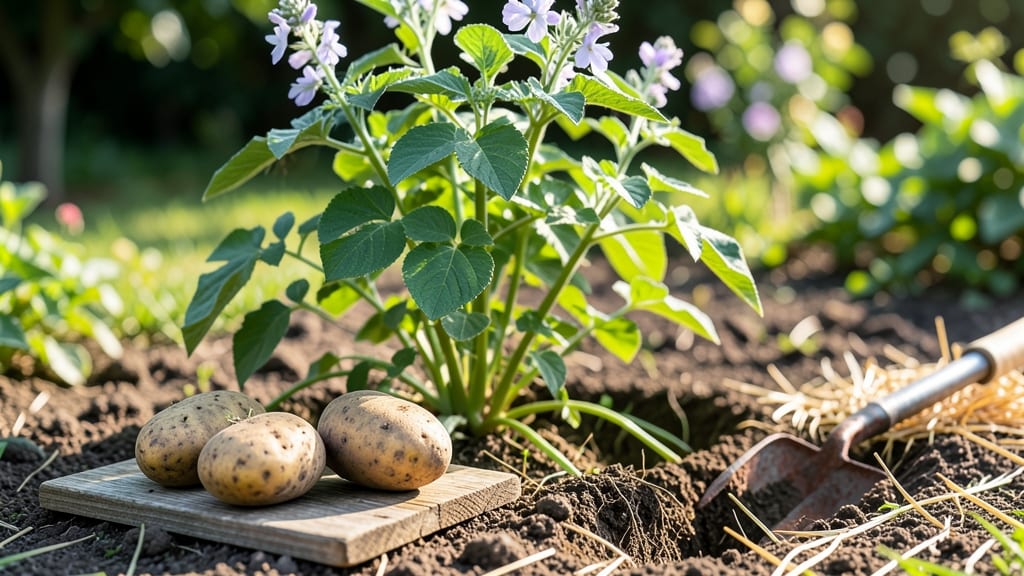
Plant seed potatoes in Australia between April and June for the best harvest, but the exact timing depends on your climate zone—too early and frost risks damage, too late and the heat arrives before tubers form.
Timing your seed potato planting in Australia can mean the difference between a bountiful harvest and a disappointing one—get it wrong, and your crop could face frost damage, disease, or stunted growth.
Whether you're in frost-prone Victoria or the warmer Queensland, knowing when to plant is the key to a successful yield.
Most Australian gardeners aim for spring planting when soil temperatures hit 10°C (50°F), but subtropical and tropical zones have later windows. In cooler regions like Tasmania, start as early as March, while northern areas can wait until June without risking heat stress.
Below, I break down the ideal planting windows for each zone, soil prep tips to avoid common pitfalls, and how to adjust timing for early or late harvests—so you can grow potatoes that thrive from seed to spud.
Australia’s seed potato planting calendar by climate zone
Timing your seed potato planting is critical in Australia, where climate zones range from frost-prone temperate regions to humid tropical areas. Planting too early in cold zones risks frost damage, while late planting in hot areas can lead to stunted growth.
Understanding your local frost-free dates and soil temperature thresholds ensures healthy tubers and maximum yield.
Australia’s diverse climates mean planting windows vary dramatically. In Victoria or Tasmania, where frosts linger until October, potatoes thrive when planted after the last frost—typically September to early October.
Meanwhile, in Queensland or Northern NSW, where winters are mild, planting can start as early as May or June to avoid summer heat stress.
Soil temperature is another key factor. Seed potatoes need soil temps above 10°C (50°F) to sprout consistently. In temperate zones, this often aligns with spring planting after frost risk passes.
In subtropical areas, cooler months (May-July) offer ideal conditions, while tropical regions may require shade protection during peak summer months.
| Climate Zone | Best Planting Window | Soil Temp Threshold | Frost Risk | Regional Examples |
|---|---|---|---|---|
| Temperate | September–October | 10°C+ (50°F+) | High (late frosts) | Victoria, Tasmania, ACT |
| Subtropical | May–July | 12°C+ (54°F+) | Moderate (rare frosts) | NSW coast, Queensland |
| Tropical | June–August | 15°C+ (59°F+) | None | Northern WA, NT, Far North QLD |
In temperate zones, like Victoria or Tasmania, aim for September to early October planting. These areas often experience late frosts, so avoid planting until after your last frost date (check local Bureau of Meteorology forecasts).
Use early-maturing varieties like ‘Sebago’ or ‘Kennebec’ for reliable harvests before summer heat sets in.
For subtropical regions, such as the Gold Coast or Brisbane, plant between May and July when temperatures are cooler. These zones benefit from shade cloth during summer to prevent tuber scorch. Varieties like ‘Desiree’ or ‘Red Pontiac’ thrive here, offering both yield and flavor.
In tropical Australia, including Northern Queensland or Western Australia, focus on June to August planting. High summer temperatures can stress potatoes, so prioritize shade protection and well-draining soil. Varieties like ‘International Kidney’ are well-suited to these conditions.
Regional variations matter—even within zones. For example, Southern NSW has cooler winters than Northern NSW, so adjust planting by 2–4 weeks. Always test soil temperature with a thermometer before planting to confirm readiness. Aim for consistent warmth to encourage even sprouting.
After planting, maintain moisture levels and mulch with straw to regulate soil temperature. In temperate zones, watch for late frosts and protect seedlings with frost cloth if needed.
In tropical areas, prioritize shade and airflow to prevent disease. With the right timing, your seed potatoes will reward you with a hearty harvest! 🥔
How to adjust planting time for early or late harvests
Adjusting your planting schedule for early or late harvests is a game-changer for Australian gardeners. By using staggered planting or frost protection, you can extend your potato-growing season and enjoy fresh tubers well beyond the standard harvest window.
This strategy works especially well for regions with unpredictable weather or short growing seasons.
For early harvests, focus on planting fast-maturing varieties like 'Rocket' or 'Nicola' in late winter (August-September). These varieties take just 60-70 days to mature, allowing you to beat summer heat stress. In cooler climates like Tasmania, this means harvesting in early spring before pests become active.
If you want to push your harvest later into autumn, try staggered planting—start with early varieties in spring, then follow with mid-season types like 'Kennebec' or 'Desiree' 2-3 weeks later. This ensures a continuous supply of potatoes from summer through fall, even in frost-prone areas.
🌱 Key Tip: Use row covers or frost cloths to protect late-season plants. These simple tools can add 2-4 weeks to your growing season by shielding tubers from early frosts. In regions like Victoria or NSW, this means harvesting in May instead of April.
In subtropical and tropical zones (e.g., Queensland or Northern NSW), heat is the bigger threat than frost. Here, plant late-spring to early summer (September-October) and use shade cloth to protect seedlings from intense sun.
Varieties like 'Bonita' or 'International Kidney' thrive in these conditions and mature quickly before summer heat peaks.
For continuous harvests, combine staggered planting with succession sowing. After harvesting the first batch, replant the same spot with another variety 4-6 weeks later. This maximizes space and ensures you always have fresh potatoes ready. Just remember to rotate crops next season to prevent soil-borne diseases like blight.
Finally, monitor soil moisture and weather forecasts closely. Dry spells can stunt tuber growth, while excessive rain increases disease risk. Mulching with straw or grass clippings helps retain moisture and regulate soil temperature—critical for consistent yields in Australia’s variable climate.