
Plants
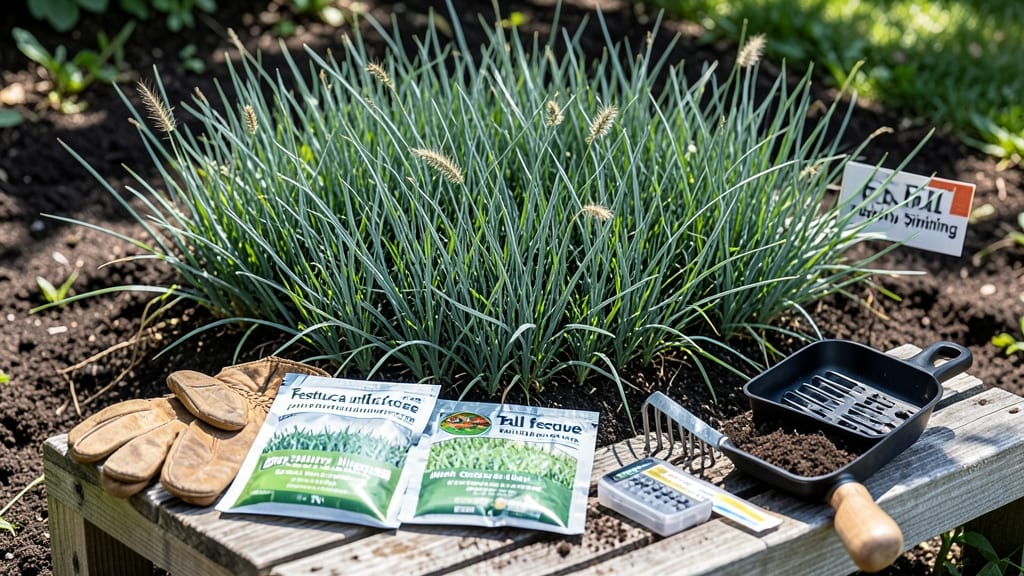
Planting grassseed in East Tennessee’s 6a-7b zones is all about timing—get it right, and you’ll have a thick, green lawn by summer; get it wrong, and weeds or drought will take over.
You’ve probably heard that fall is the best time, but here’s the catch: East Tennessee’s humid subtropical climate means late summer can also work if you act fast. The key is planting 4-6 weeks before the first frost (around mid-November) or after the last frost in spring (mid-March).
Why does timing matter so much? Grass needs consistent moisture and warm soil to germinate, and our region’s unpredictable spring rains or summer heat can derail even the best-laid plans. I’ll break down the exact windows by season, soil prep secrets, and the grass types that thrive here.
By the end, you’ll know exactly when to plant for a lawn that stays lush all year—no guesswork, just results. Let’s get started.
Best planting windows for East TN grassseed by season (zone 7a-8a guide)
East Tennessee’s humid subtropical climate (Zones 7a-8a) creates unique challenges for grassseed germination. The ideal planting window balances soil warmth, moisture, and frost risks. Fall is your best bet, but spring works too—if timed perfectly.
Let’s break down the science behind these windows and why summer or late fall plantings often fail.
Your last frost date typically arrives around March 15, while the first frost hits about November 15. These dates create a 165-day frost-free window, but microclimates (like valleys vs. ridges) can shift this by 1-2 weeks.
For example, higher elevations in the Smoky Mountains may frost 2 weeks earlier than Knoxville’s urban areas.
Here’s the golden rule: Plant 4-6 weeks before your first frost in fall or after your last frost in spring.
This gives seedlings time to establish roots before extreme heat or cold stress sets in. Summer plantings (June-August) are risky because intense heat and drought can dry out seeds before they sprout, while late fall (October-November) leaves little time for root growth before winter dormancy.
Why early fall? Soil stays warm from summer’s heat while humidity rises, reducing irrigation needs. Cooler temps (60-75°F) also suppress weeds, giving your grass a competitive edge. Late spring (April-May) is your secondary window, but you’ll need to water daily to combat evaporation and weed pressure.
For valley locations (like Chattanooga or Knoxville), aim for September 1–15 in fall—soil stays warm longer, and afternoon humidity helps retain moisture. Ridge areas (e.g., Tellico Plains) may need to plant by August 20 to avoid early frosts.
Use a soil thermometer to confirm temps: ideal germination occurs at 60–75°F.
If you miss the fall window, late spring (April–May) is your next best option. Start seeds indoors in March if you’re impatient—transplant 4-week-old seedlings after the last frost. Bermuda grass and zoysia (warm-season grasses) can handle late spring plantings better than tall fescue or Kentucky bluegrass.
Pro tip: Test your soil’s pH before planting—East TN soils often lean acidic (5.0–6.0).
Aim for 6.0–7.0 by adding lime in fall or sulfur in spring. Overwatering is a common mistake; grassseed needs 1 inch of water weekly, but daily light waterings keep seeds from drying out too quickly.
Adjust for microclimates: Shady spots (like under trees) may need shade-tolerant grass
How to prepare your soil and seed for maximum germination success
Before you even sprinkle that first handful of grassseed, soil prep is where the magic happens. In East Tennessee’s clay-heavy or rocky soils, seeds often struggle to germinate because of poor drainage or compacted layers. The goal? Loose, nutrient-rich soil that holds moisture without drowning roots.
Start by testing your soil pH—ideal for grass is between 6.0 and 7.0. If your soil is too acidic (below 6.0), add pelletized lime 2-3 months before planting. For alkaline soil (above 7.0), mix in sulfur or peat moss to lower the pH gradually.
Next, tackle tillage and aeration. Rent a rototiller or use a broadfork to break up the top 4-6 inches of soil, removing weeds and rocks. For compacted areas, consider core aeration—this pulls out small soil plugs, letting air and water penetrate deeper.
If your lawn has thatch (a layer of dead grass between soil and blades), dethatch with a rake or vertical mower to prevent seed-smothering. Pro tip: Work the soil when it’s slightly damp—like a wrung-out sponge—to avoid creating a dusty mess.
Now, let’s talk compost and amendments. Mix in 2-3 inches of compost or well-rotted manure to boost organic matter. For sandy soils, add peat moss or coconut coir to retain moisture; for clay soils, blend in composted pine bark to improve drainage.
Spread a starter fertilizer (like 10-10-10) lightly over the area—this gives seedlings a nitrogen kick without burning. Avoid over-fertilizing, though; too much salt can inhibit germination.
🌱Seed selection is just as critical as soil prep. East Tennessee’s climate favors cool-season grasses like tall fescue and Kentucky bluegrass for fall planting, while warm-season types (Bermuda, zoysia) thrive in late spring. For fall, choose high-quality, certified seed with at least 80% pure live seed (PLS).
Check the label for disease resistance—look for terms like "drought-tolerant" or "shade-adapted" if your yard fits those needs. Pro move: Pre-soak seeds for 24 hours in water before planting to jumpstart germination, especially in dry spells.
📋 Step-by-Step Pre-Planting Checklist for East TN
- 🔹 Test soil pH (aim for 6.0–7.0); amend with lime or sulfur as needed.
- 🔹 Till or aerate top 4–6 inches of soil; remove debris and rocks.
- 🔹 Add 2–3 inches of compost; mix in peat moss or pine bark for texture.
- 🔹 Spread starter fertilizer (½ lb per 100 sq ft); avoid over-application.
- 🔹 Choose seed type: Cool-season (fall) or warm-season (spring); pre-soak seeds for 24 hours.
- 🔹 Level the soil with a rake; create a fine, crumbly surface for even seed distribution.
- 🔹 Lightly cover seeds with ¼ inch of soil; water gently to settle.
One common pitfall in East TN is poor drainage. If water pools after rain, your lawn site might be a low spot. Fix this by grading the area slightly upward (1–2 inches over 10 feet) or installing a French drain if needed.
Another mistake? Planting too late in fall or too early in spring, when soil temps are still cool. Use a soil thermometer—ideal germination temps are 60–75°F for most grasses. If your soil is below 50°F, wait a few weeks or use a seed warming mat for stubborn patches.
Finally, pre-planting checks save time and frustration. Walk your yard and mark areas with thatch buildup, bare spots, or weeds. For weeds, spot-treat with a pre-emergent herbicide (like corn gluten meal) 2 weeks before planting, or hand-pull them after loosening the soil.
If your lawn has shady areas, mix in fine fescue seeds, which tolerate low light better than tall fescue. After all prep work, water deeply the night before planting to encourage seed-to-soil contact when you spread them.
With these steps, your grassseed will germinate faster and establish stronger roots, outcompeting weeds and surviving East TN’s humid summers and chilly winters.
The key is patience—keep soil moist (not soggy) for the first 3–4 weeks, and resist the urge to mow until blades reach 3–4 inches tall. Soon, you’ll have a lawn that’s the envy of your neighborhood! 🌿