
Plants
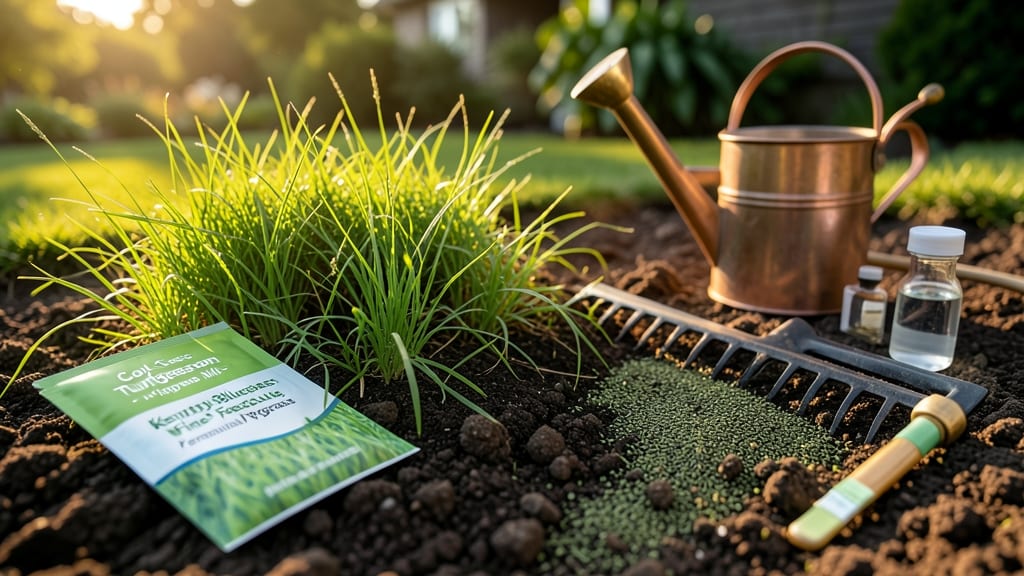
Planting grass seed in Rhode Island at the right time means the difference between a thick, green lawn and a patchy, weak one struggling through summer heat.
Rhode Island’s unpredictable spring and fall weather can make timing your grass seed planting tricky—but getting it right ensures a lush, thick lawn that outlasts summer heat and winter frost.
In USDA Zones 6a-7a, the best windows are early spring (after the last frost, around mid-April) and early fall (before the first frost, around mid-October).
Below, I’ll walk you through the exact soil temperature thresholds, how to prep your yard, and the top grass seed varieties that thrive in Rhode Island’s coastal and inland conditions.
Best planting windows in Rhode Island (USDA Zone 6b) for fast germination
Timing your grass seed planting in Rhode Island isn’t just about avoiding frost—it’s about leveraging the state’s unique coastal microclimates and soil temperature thresholds.
With USDA Zone 6b conditions, your best bets are early spring and early fall, when soil warms to 50-65°F and stays consistently moist for fast germination. Coastal areas like Newport may enjoy a 2-week earlier window than inland spots near Providence due to ocean moderation.
For spring planting, aim for late March to mid-April after the average last frost date (April 15). This gives seeds 6-8 weeks of warm soil before summer heat arrives. In fall, September is ideal—plant by mid-month to allow roots to establish before first frost (October 15).
Fall-seeded lawns often outperform spring plantings because cooler temps reduce weed competition and drought stress.
Rhode Island’s coastal influence creates microclimates where soil temperatures can vary by 5-10°F between inland and shoreline areas. Use a soil thermometer to confirm 50°F minimum before planting. Inland spots may need to wait until mid-April, while coastal gardens can start as early as late March.
Always check 7-day forecasts for consistent rain—too much can wash seeds away, while drought can delay sprouting.
Here’s your Rhode Island planting timeline for fast germination, accounting for local climate quirks:
| Planting Window | Soil Temp Threshold | Coastal Adjustment | Germination Time | Key Risk |
|---|---|---|---|---|
| Late March–Mid-April | 50–60°F | Coastal: 1 week earlier | 7–14 days | Late frost |
| Mid-September | 55–65°F | Coastal: 1 week later | 10–14 days | Early frost |
| Early October (backup) | 50–55°F | Inland only | 14–21 days | Weed competition |
If unpredictable rain delays your planting, prioritize shaded areas first—they dry slower and retain moisture longer. For drought-prone inland spots, consider hydroseeding or a starter fertilizer to jumpstart growth. Always water lightly twice daily (morning and evening) for the first 2 weeks to keep seeds from drying out.
Rhode Island’s salt-spray zones near the coast demand salt-tolerant varieties like Tall Fescue. Plant these 1 week later than inland seeds to avoid salinity stress from early spring tides. Test soil salt levels (ideal: below 0.1% sodium) before planting—high salinity can delay germination by 30%.
Pro tip: Use a mulch mat (straw or peat) to protect seeds from bird foraging and wind erosion, especially in exposed coastal areas. Remove it once grass reaches 3 inches tall to avoid thatch buildup.
Pair this with regular mowing (never remove more than 1/3 of blade height) to encourage dense root spread.
For overseeding existing lawns, early fall is your best bet—September 1–15 gives grass 6 weeks to establish before winter. Rake out thatch first, then apply half the recommended seed rate to avoid competition with established turf. Water deeply every 2–3 days until new growth appears.
Don’t let Rhode Island’s variable weather throw you off track. Monitor soil temps daily (use a $15 digital thermometer), and adjust planting dates by 1 week per 5°F deviation.
With the right timing, you’ll have a thick, resilient lawn that thrives through summer heat and winter freeze—no matter where you garden in the Ocean State. 🌱
How to prepare Rhode Island soil for grass seed success (before and after planting)
Preparing your Rhode Island soil for grass seed is half the battle—especially when dealing with the compacted clay soils common across the state. A well-prepared lawn ensures faster germination and a thicker, healthier lawn that survives summer droughts and winter freezes.
Start by testing your soil pH—Rhode Island’s grass thrives in a 6.0–7.0 range. Most local soils lean acidic, so you may need to add lime to balance it. I recommend using a simple soil test kit from your local garden center for accurate results.
Before planting, remove all existing weeds and debris. Use a broadleaf herbicide if needed, but apply it at least 4–6 weeks before seeding to avoid harming your new grass. Manual removal with a rake works too, especially for stubborn patches.
⚠️ WARNING: Avoid planting grass seed in Rhode Island during extreme weather conditions ⚠️
- Soil temps below 50°F – Seed won’t germinate properly.
- Active drought conditions – New seedlings need consistent moisture.
- Heavy rain forecast – Can wash seeds away or cause erosion.
- Extreme heat (above 85°F) – Stress seeds and young grass.
Next, aerate your lawn to relieve compacted soil. Rhode Island’s heavy clay soils benefit from core aeration, which pulls out small soil plugs to improve air and water flow. Rent a core aerator or hire a local service—this step alone can double your seed’s success rate.
Choose the right grass seed blend for your yard. Rhode Island’s USDA Zone 6b-7a climate favors cool-season grasses like Kentucky Bluegrass or Tall Fescue. Mix in Fine Fescue for shade-prone areas. Avoid warm-season grasses—they struggle in our cooler summers.
After planting, keep the soil consistently moist (not soggy) for the first 2–3 weeks. Use a light mulch like straw to retain moisture and protect seeds from wind. Water deeply in the morning to prevent fungal growth—this is critical for Rhode Island’s humid summers.