
Planting
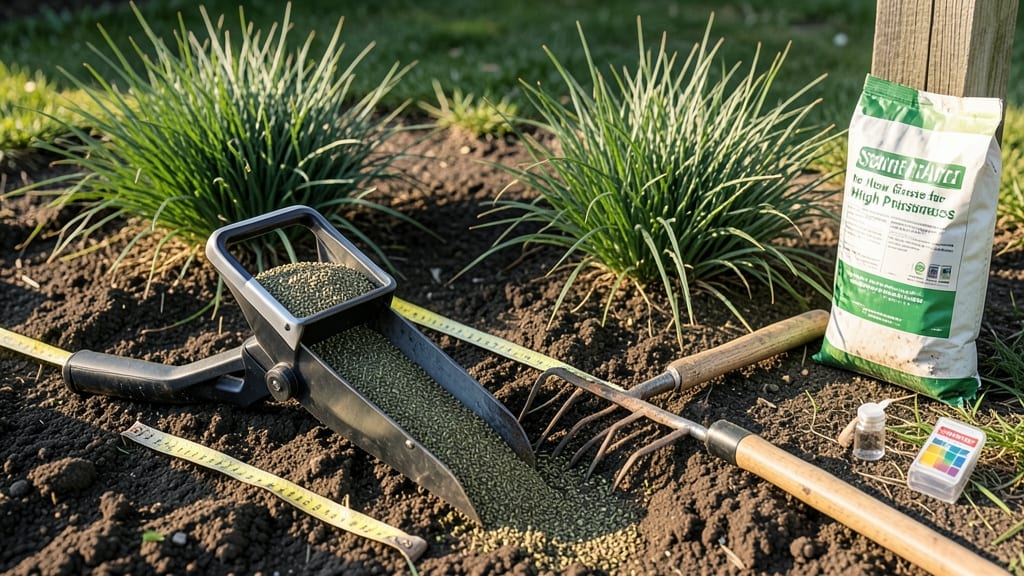
Planting grass seed in Missouri at the right time means the difference between a thick, green lawn and a patchy, weed-infested disappointment.
You’ve probably heard the classic advice—spring or fall—but here’s the secret: late summer, specifically August to early September, is when Missouri’s 5b-6b climate truly works in your favor.
Why? Because those deep roots get a head start before winter rains, giving you a lawn that’s ready to roll by spring.
Missouri’s weather can be a gamble, but this timing beats the heat and avoids the drought stress of spring planting. Plus, you skip the summer weeds that pop up when you plant too early.
Below, I’ll break down the exact window, soil prep tips, and how to pick the right grass type for your region.
Ready to skip the guesswork? Let’s get your lawn seeding schedule locked in for a lush, low-maintenance result.
Missouri’s best grass-seeding window: late summer timing explained
Missouri’s late summer offers the perfect window for grass seeding because of cooler soil temperatures and consistent rainfall. Unlike spring, summer heat can stress seeds, while winter dormancy arrives too soon. Planting in late August through early September lets grass establish deep roots before winter’s chill sets in.
This timing aligns with Missouri’s USDA zones 5b-6b, where soil temps drop to 60-70°F—ideal for germination. The fall rains provide natural watering, reducing your workload. Plus, cooler air means fewer weeds compete with your new grass for nutrients.
Missouri’s optimal seeding window is backed by local weather data showing lower evaporation rates and higher humidity in late summer. The National Weather Service reports that September averages 3-4 inches of rain, giving seeds the moisture they need without waterlogging risks.
Here’s why late August to early September beats other times of year for Missouri lawns:
| Factor | Late Summer (Aug-Sept) | Spring (March-April) | Summer (June-July) |
|---|---|---|---|
| Soil Temperature (°F) | 60-70°F | 50-60°F | 80-90°F |
| Rainfall (inches) | 3-4 inches | 2-3 inches | 1-2 inches |
| Germination Speed | 7-14 days | 10-21 days | Slow/Stressed |
| Weed Competition | Low | Moderate | High |
| Root Depth Potential | Deep (6+ inches) | Moderate (3-4 inches) | Shallow (Stress) |
Missouri’s northern regions (like St. Louis) can seed as late as mid-September, while southern areas (e.g., Springfield) should aim for early August to avoid early frosts. Check the Missouri State Climate Office for your local frost dates—planting 4-6 weeks before ensures roots establish before winter.
For best results, seed when daytime temps hover around 75°F and nighttime temps drop to 55-60°F. Use a soil thermometer to confirm—ideal germination occurs at 60-70°F. If temps spike above 85°F, delay planting until cooler evenings return.
Align your seeding with Missouri’s rainfall patterns: September typically delivers 3-4 inches of rain, reducing irrigation needs. However, if drought warnings appear, supplement with 1 inch of water daily until seeds sprout. A rain gauge helps track moisture levels accurately.
Missouri’s humidity levels in late summer also play a role—higher humidity reduces water evaporation and supports seedling establishment. Unlike spring, when dry winds can stress new grass, fall’s moisture-rich air creates an ideal environment for deep root development.
Pro tip: Test your soil’s moisture before planting. Dig a 6-inch hole—if it feels damp but not soggy, conditions are perfect. If dry, water deeply 24 hours before seeding to prepare the soil. Overwatering can suffocate seeds, so aim for consistent, not saturated, moisture.
Remember, late summer seeding gives grass time to establish before winter dormancy. By spring, your lawn will outcompete weeds and fill in gaps naturally. For Missouri gardeners, this window is the secret to a lush, low-maintenance lawn—no shortcuts, just smart timing. 🌱
How to prepare your Missouri lawn for fall grass seed planting
Fall is the perfect time to plant grass seed in Missouri because the soil stays warm while air temperatures cool—ideal for germination. But before you scatter seeds, your lawn needs a solid foundation.
Start by testing your soil pH (aim for 6.0-7.0) and clearing out weeds, which steal nutrients and space from your new grass.
Missouri’s 5b-6b climate means you’ll need to act fast once you’ve prepped the soil. Tall fescue and Kentucky bluegrass are top choices for most regions, but your local extension office can help you pick the right variety for your yard’s shade and foot traffic.
Let’s break down the steps to set your lawn up for success.
Step-by-Step Fall Lawn Prep
- 1. Test Soil – Use a pH test kit to check your soil. If it’s below 6.0, add lime to raise the pH. For acidic soil, mix in sulfur.
- 2. Clear Weeds – Pull weeds by hand or use a non-selective herbicide like glyphosate 2 weeks before planting. Avoid pre-emergent herbicides.
- 3. Loosen Soil – Aerate compacted soil with a core aerator to improve water and nutrient absorption. Focus on high-traffic areas.
- 4. Level the Ground – Fill low spots with topsoil and rake smooth. Remove rocks or debris larger than ½ inch.
- 5. Spread Seed – Use a broadcast spreader for even coverage. Aim for 5-8 lbs per 1,000 sqft for most grass types.
- 6. Lightly Rake – Gently rake seeds into the soil (¼ inch deep max) to ensure good soil contact.
- 7. Mulch & Water – Apply a thin layer of straw mulch (not hay) to retain moisture, then water lightly daily until germination.
Don’t skip the soil test—it’s the #1 mistake I see gardeners make. Even if your lawn looks healthy, hidden issues like compacted soil or low nutrients can sabotage your new grass. If your soil is sandy, mix in compost to improve moisture retention.
For Missouri’s northern regions (like St. Louis), aim to plant by mid-September to give seeds time to establish before frost. In southern areas (e.g., Springfield), you can push it to early October. Check your local frost dates and plant 4-6 weeks before the first hard freeze.
After planting, keep the soil consistently moist but not soggy. Water in the early morning to reduce evaporation and fungal risks. Once your grass reaches 3-4 inches tall, you can reduce watering to 1 inch per week and start mowing with a sharp blade set to 3-4 inches.
With the right prep, your Missouri lawn will be thicker, greener, and weed-resistant by spring. The key is acting early—don’t wait until October when the weather turns unpredictable. Start now, and you’ll thank yourself next summer! 🌱