
Lawn
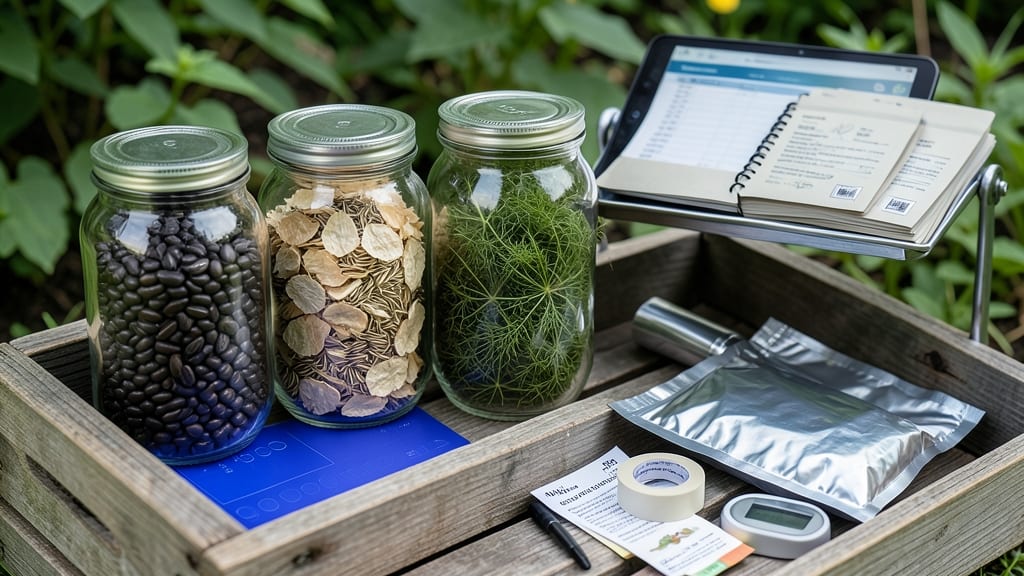
Storing seeds properly can turn a $5 packet into a decades-long garden resource. 🌱 The right conditions—cool temperatures, low humidity, and darkness—keep seeds viable for years, while poor storage turns them to dust before their time.
Most seeds last 5-10 years in ideal conditions, but some, like onions or leeks, only stay fresh for 1-2 years. The key is a dark, cool spot (50-60°F) with 5-10% humidity—think refrigerator crisper or sealed containers with silica gel packets.
Labeling seeds with the variety, year, and germination test date prevents mix-ups and helps track freshness. I use small glass jars with airtight lids for short-term storage and mylar bags with oxygen absorbers for long-term preservation.
Avoid common mistakes like storing seeds in the freezer (unless prepped for it) or leaving them in damp basements. Even small mistakes can cut viability in half—so treat your seed stash like the garden gold it is.
📚 In This Guide
- What you need
- Instructions
- Tips and common mistakes
- Wrapping up and next steps
What you need
- ● Air-tight containers: 5–10 quart-sized or gallon-sized containers (e.g., Mylar bags, glass jars, or food-grade plastic bins with tight seals).
- ● Desiccant packets: 1–2 silica gel or clay desiccant packets per container (to absorb moisture).
- ● Seed envelopes or paper bags: Kraft paper or breathable seed packets (avoid plastic—it traps moisture!).
- ● Permanent markers: For labeling seed types, dates, and varieties.
- ● Thermometer & hygrometer: To monitor temperature (35–40°F ideal) and humidity (5–10% optimal).
- ● Cool, dark storage space: A refrigerator (crisper drawer), root cellar, or seed vault.
- ● Vacuum sealer: Extends shelf life by removing air (great for bulk seeds).
- ● Labeling system: Small adhesive labels or a spreadsheet to track seed batches.
- ● Portable humidity monitor: For real-time adjustments in fluctuating environments.
- ● Seed stratification kits: If storing seeds requiring cold-moist stratification (e.g., some wildflower mixes).
How to store seeds for maximum longevity
Preserving seeds properly means they’ll stay viable for years—here’s the science-backed method I trust.
🌱 Step 1: Dry Seeds Thoroughly Before Storage
First, spread seeds in a single layer on a clean, dry surface—paper towels or a mesh screen work best. Let them dry for 3-5 days in a warm, dry place with good airflow, like a sunny windowsill. You’ll know they’re ready when they feel brittle and break with a crisp snap rather than a bend.
Moisture is the enemy of seed longevity. Even slightly damp seeds will develop mold within weeks. If you’re in a humid climate, place a small fan nearby to speed up drying. Never rush this step—proper drying prevents premature sprouting and rot during storage.
⏰ Step 2: Choose the Right Containers and Sealing Method
Use airtight, moisture-proof containers like glass jars with rubber seals, Mylar bags with oxygen absorbers, or vacuum-sealed bags. Label each container with the seed type and storage date—my handwriting fades after a few years, so I use a permanent marker or printed labels.
For small batches, I prefer glass canning jars because they’re reusable and let me see seed levels without opening. For bulk storage, Mylar bags with silica gel packets work best—they block light and moisture completely. Seal containers tightly; even a tiny gap lets humidity creep in over time.
☀️ Step 3: Store in a Cool, Dark, Stable Environment
Ideal seed storage conditions are 32-41°F with 30-50% humidity. A standard refrigerator’s crisper drawer (set to 38°F) works well for short-term storage, but for long-term viability, a seed vault or basement is best. Avoid basements prone to dampness—musty smells mean hidden mold risks.
Never store seeds in the freezer unless you’re using a deep-freeze method (below 0°F) for ultra-long-term preservation. Temperature fluctuations are deadly—seeds stored in a garage that heats in summer and freezes in winter will lose viability faster. A cool, dark closet with consistent temps is better than an unstable basement.
🪴 Step 4: Monitor and Rotate Seed Stock Annually
Check stored seeds every 6-12 months for signs of spoilage—musty odors, discoloration, or webbing indicate pests or mold. If seeds look or smell off, discard them immediately. Even if they seem fine, test a few by planting them in moist paper towels to confirm germination.
Rotate older seeds to the front of your storage and newer ones to the back. Labeling with dates helps—heirloom tomato seeds stored for 5 years might still germinate at 80%, but lettuce seeds often drop to 50% viability after just 2 years. Prioritize planting the oldest seeds first to avoid wasting stock.
✂️ Step 5: Handle Special-Case Seeds with Extra Care
Some seeds need special treatment before storage. Wet-stored seeds (like those from tropical plants) must be dried to 10-12% moisture content before sealing. Hybrid seeds often have shorter shelf lives—check the packet for recommended storage times. For organic seeds, avoid plastic containers, as they can leach chemicals over time.
Seeds from tropical or desert climates may need slightly warmer storage (45-50°F) to prevent chilling injury. If you’re unsure, test a small batch first. Store seed packets separately from bulk seeds—the paper can degrade and introduce moisture. For maximum safety, I keep backup seeds in a second location, like a friend’s fridge or a seed bank.
Tips & tricks for perfect seed preservation
These science-backed strategies will help you extend seed viability beyond what you'd expect—some can last decades with the right approach.
Drying Precision: The 3-5 day drying period in Step 1 is non-negotiable, but here's the secret: Use a hygrometer to confirm moisture levels below 10%. If you don't have one, the "crisp snap" test works—but do it on a small sample first. Over-drying can make seeds too brittle, while under-drying risks mold. For tropical seeds, extend drying to 7-10 days in a dehydrator set to 115°F to reach that critical moisture threshold.
Container Intelligence: Glass jars might look ideal, but they're not always the best for long-term storage. For seeds lasting 10+ years, opt for Mylar bags with oxygen absorbers—they create an inert environment that prevents oxidation. I keep a backup system: half my seeds go in Mylar, half in glass jars, so I always have options. The key is eliminating any air pockets during sealing.
Temperature Stability: Those 32-41°F guidelines are perfect, but real-world conditions matter more. If your basement fluctuates between 40°F and 60°F, your seeds won't last as long. For maximum stability, use a refrigerator's crisper drawer (set to 38°F) for short-term storage, or invest in a seed storage box that maintains consistent temps. I've seen seeds last 20 years in these controlled environments.
Viability Testing: The germination test in Step 4 is your best friend—plant 10 seeds on damp paper towels every 2 years to check viability. Different seeds have different lifespans: tomato seeds often last 5-8 years, while carrot seeds may only stay viable for 2-3 years. Keep a log of your test results to track which seeds age fastest in your storage conditions.
Pro Tips for Seed Storage Conditions
- These science-backed strategies will help you extend seed viability beyond what you'd expect—some can last decades with the right approach.
- Drying Precision: The 3-5 day drying period in Step 1 is non-negotiable, but here's the secret: Use a hygrometer to confirm moisture levels below 10%.
- Container Intelligence: Glass jars might look ideal, but they're not always the best for long-term storage.
Frequently asked questions
Got questions about storing seeds the right way? You’re not alone!
Here are answers to common concerns—from timing to troubleshooting—to keep your seeds fresh and ready for planting.
How long can seeds last in ideal storage conditions?
Most seeds stay viable for years in cool (32–41°F), dry (5–10% humidity) conditions. Vegetable seeds often last 1–5 years, while flower and herb seeds may last 1–3 years. Always check seed packets for specific guidelines!
Can I store seeds in the fridge or freezer?
Yes! A fridge (35–40°F) or freezer (0°F) works well for short-term storage (up to 5 years). For long-term, use a seed vault or airtight containers with silica gel. Avoid moisture—condensation ruins seeds!
What if my seeds get damp or moldy?
Don’t toss them yet! Spread seeds on a paper towel in a dry, warm spot (70–80°F) for 1–2 days to dry. If mold appears, discard them—mold means spoilage. Prevention: Use moisture absorbers like rice or silica packets in storage containers.
When’s the best time to store seeds?
Store seeds right after harvest when moisture content drops below 10%. For store-bought seeds, use them within the printed expiration date. Label containers with the storage date to track freshness.
What’s a good alternative if I don’t have a seed vault?
Use airtight containers (glass jars, Mylar bags) with oxygen absorbers or silica gel. A cool basement, root cellar, or even a dark closet (if humidity is low) works temporarily. Just avoid heat sources like ovens or garages!
Wrapping up and next steps
Perfect seed storage isn’t just about luck—it’s a science! By keeping seeds in dry, cool, and dark conditions, you can preserve their viability for years, ensuring your lawn or garden thrives when you’re ready to plant.
Whether you’re a seasoned gardener or just starting, these simple steps save you time, money, and frustration.
Ready to take the next step? Start by auditing your current seed storage—check moisture levels, temperature, and container quality. Small adjustments today could mean a bountiful harvest tomorrow! 🌱✨