
Lawn
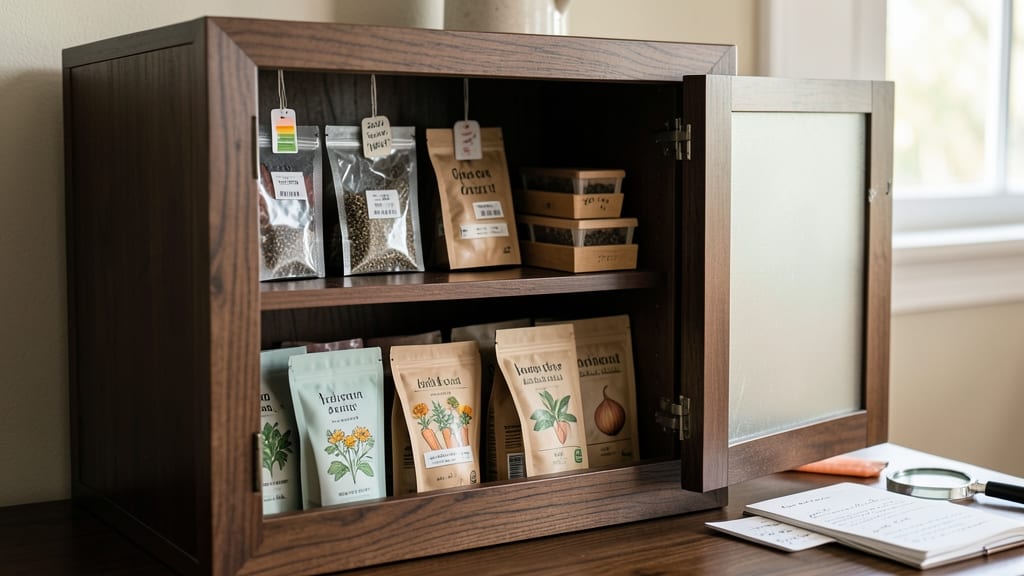
Your heirloom seeds deserve better than a damp basement or sun-scorched windowsill. 🌱 Seed storage cabinets are the game-changer for preserving viability for years—not just months—so you can grow the same tomatoes or heirloom beans decade after decade.
I learned the hard way when my 20-year-old bean seeds finally sprouted, only to produce weak, stunted plants. The right cabinet keeps humidity between 30-50%, temperatures steady at 32-41°F, and blocks light and pests.
Even a simple DIY setup with mason jars and silica gel packets works if you can’t invest in climate-controlled units.
With proper storage, you’ll see germination rates stay above 90% for a decade or more—no more scrambling to find rare varieties or settling for store-bought seeds. The key is airtight containers, moisture control, and consistent conditions.
I’ll show you exactly how to set it up, whether you’re building a budget-friendly system or splurging on a high-end unit.
We’ll also cover how to organize seeds so you never lose track of varieties, plus the one mistake that ruins seeds faster than heat or humidity. Ready to future-proof your garden?
📚 In This Guide
- What you need
- Instructions
- Tips and common mistakes
- Wrapping up and next steps
What you need
- ● Seed Storage Cabinet: Choose a climate-controlled unit with temperature regulation (ideally 32–41°F / 0–5°C) and humidity control (30–50% RH). Size depends on storage needs (e.g., small: 1–2 cubic feet, large: 5+ cubic feet).
- ● Seed Containers: Air-tight, moisture-resistant containers (e.g., Mylar bags, glass jars with rubber seals, or aluminum foil pouches).
- ● Desiccant packets: 2–4 per container (silica gel or clay-based) to absorb moisture.
- ● Labeling Supplies: Acid-free labels, permanent markers, or a labeling system (e.g., color-coded tags) for seed varieties and dates.
- ● Thermometer & Hygrometer: Digital probes to monitor temperature and humidity inside the cabinet.
- ○ Optional Extras: UV-protective sleeves for containers (to shield seeds from light).
- ● Backup power supply (for uninterrupted climate control).
- ● Seed catalog or database (to track varieties and storage dates).
- ● Dedicated space for the cabinet (away from direct sunlight, heat sources, or damp areas).
- ● Access to clean, dry seeds (free of debris or moisture before storage).
- ● Basic knowledge of seed viability and storage best practices (e.g., cool + dry = longevity).
How to set up a climate-controlled seed storage cabinet
Here's my foolproof method for creating a seed vault that preserves viability for decades—not just years.
🪴 Step 1: Select the Right Cabinet and Location
Choose a small, airtight cabinet with minimal temperature fluctuations—think 35-45°F and 30-40% humidity. A repurposed refrigerator (without a freezer) works well if you can stabilize its environment. Avoid basements prone to dampness or attics with extreme heat swings. The cabinet should fit inside a space where ambient conditions are already stable, like a closet with consistent thermostat control.
I like to place mine on a concrete floor or against an interior wall to minimize temperature swings from outdoor air. If using a refrigerator, remove all shelves and line the interior with insulated foam board to prevent internal heat fluctuations. This ensures your seeds stay in the optimal 10-20°F range below room temperature—critical for long-term viability.
💧 Step 2: Control Humidity and Airflow
Humidity is the silent killer of seed longevity. Use a digital hygrometer to monitor levels and a dehumidifier or humidifier to maintain 30-40% relative humidity. I place a small, sealed container of silica gel packets inside the cabinet to absorb excess moisture—replace them every 3-6 months or when they turn from blue to pink.
Never let condensation form on seed packets. Even slight dampness triggers mold and reduces germination rates. If your cabinet has a door, seal any gaps with weatherstripping tape to prevent outside air from seeping in. A tiny air leak can turn a stable environment into a seed graveyard overnight.
☀️ Step 3: Organize Seeds by Viability and Storage Needs
Group seeds by their natural storage lifespans—short-term (1-5 years), medium-term (5-10 years), and long-term (10+ years). Use airtight, Mylar bags with oxygen absorbers for long-term seeds, and paper envelopes for short-term varieties. Label each with the seed type, date, and any special storage notes (e.g., "needs stratification").
I store seeds in small, labeled glass jars for easy access while keeping the cabinet door openings brief. Place jars on the middle shelf to avoid temperature extremes near the door or floor. For extra protection, wrap each jar in a thin layer of aluminum foil—this blocks light, which degrades seed quality over time.
⏰ Step 4: Monitor and Maintain Conditions
Check the cabinet’s temperature and humidity weekly for the first month, then monthly afterward. Use a data logger to track long-term trends—sudden spikes or drops can ruin batches of seeds. If you notice condensation on the walls, add more silica gel immediately. For temperature stability, avoid placing the cabinet near heat vents, windows, or appliances that generate heat.
Every 6 months, rotate seed packets to ensure none get overlooked. Remove any that show signs of mold or mustiness—discard them immediately to prevent contamination. I also test a small sample of each variety’s germination rate annually by planting a few seeds in moist paper towels. If germination drops below 80% after 10 days, it’s time to refresh that seed batch.
Tips & tricks for perfect seed storage cabinets
The secret to long-term seed viability lies in the details—here's how to turn your setup into a true seed vault.
Temperature Precision: That 35-45°F range is non-negotiable for seed longevity. I recommend placing a second thermometer inside your cabinet to verify readings—some refrigerators can fluctuate by 10°F or more between cycles. For extra stability, consider a dedicated seed vault with built-in temperature control if your budget allows. The 10-20°F below room temperature rule is your golden metric—any warmer and you're accelerating seed degradation.
Humidity Defense System: Beyond the silica gel packets, I've found that placing a small, unobtrusive dehumidifier inside the cabinet (set to 30-40%) creates an automatic buffer against moisture spikes. The key is to position it so it doesn't directly blow on seed packets—aim for indirect airflow. For visual confirmation, use a hygrometer with a color-changing indicator that matches your target range.
Organization Strategy: When labeling your glass jars, include not just the seed type but also the original harvest year—this helps you track how long each batch has been stored. I color-code my labels by storage category (red for short-term, yellow for medium-term, green for long-term) to make rotation intuitive. For seeds requiring stratification, add a small note about the specific cold treatment needed before planting.
Proactive Maintenance: The annual germination test is your early warning system—don't skip it! I've seen seeds that passed visual inspection but failed germination tests due to internal moisture migration. When testing, use three seeds per variety and plant them at the same depth they'd be sown normally. If germination drops below 80% after 10 days, consider those seeds as "freshened" rather than viable for long-term storage.
Pro Tips for Seed Storage Cabinets
- The secret to long-term seed viability lies in the details—here's how to turn your setup into a true seed vault.
- Temperature Precision: That 35-45°F range is non-negotiable for seed longevity.
- Humidity Defense System: Beyond the silica gel packets, I've found that placing a small, unobtrusive dehumidifier inside the cabinet (set to 30-40%) creates an automatic buffer against moisture spikes.
Frequently asked questions
Got questions about seed storage cabinets?
You’re not alone! Here are some of the most common concerns—and the answers you need to keep your seeds thriving for years.
What’s the ideal temperature and humidity for storing seeds long-term?
Aim for 32–41°F (0–5°C) and 30–50% humidity to slow seed aging. Climate-controlled cabinets automate this, protecting seeds from heat, moisture, and pests. Without one, a cool basement or fridge works—but a dedicated cabinet ensures consistency and peace of mind.
How long can seeds last in a seed storage cabinet?
With perfect conditions, heirloom seeds can stay viable for 10–30 years (or longer for some varieties!). Fast-growing crops like lettuce may last 2–5 years, while hardy seeds like peas or beans can endure decades. A storage cabinet removes guesswork by maintaining those critical conditions.
Are seed storage cabinets worth the investment for home gardeners?
If you’re serious about saving seeds or growing rare varieties, yes! They’re a game-changer for small-scale seed banks, heirloom collectors, or gardeners who want to avoid replanting every season. For casual gardeners, a simple airtight container might suffice—but cabinets add convenience and reliability.
Can I use a regular fridge or freezer instead of a dedicated cabinet?
A fridge or freezer can work in a pinch, but they’re not ideal. Temperature fluctuations (like door openings) and humidity swings can shorten seed life. A seed storage cabinet is designed to stabilize conditions, preventing condensation and temperature spikes that damage seeds over time.
What should I do if my seeds develop mold or pests in storage?
First, remove affected seeds immediately—don’t risk contaminating others. For mold, freeze seeds for 48 hours to kill spores, then dry them thoroughly. For pests (like weevils), use diatomaceous earth or a sealed container with silica gel. If the issue persists, a climate-controlled cabinet will prevent future problems.
Wrapping up and next steps
Investing in a seed storage cabinet is a game-changer for preserving seed viability—whether you're a gardener, farmer, or emergency prepper. 🌱 These climate-controlled solutions shield your precious seeds from humidity, temperature swings, and pests, ensuring they stay fresh for years.
With the right setup, you’re not just storing seeds; you’re safeguarding future harvests and biodiversity.
Ready to take the next step? Start by assessing your seed collection and choosing a cabinet that fits your needs—then watch your seeds thrive for seasons to come! Your green legacy begins now.