
Lawn
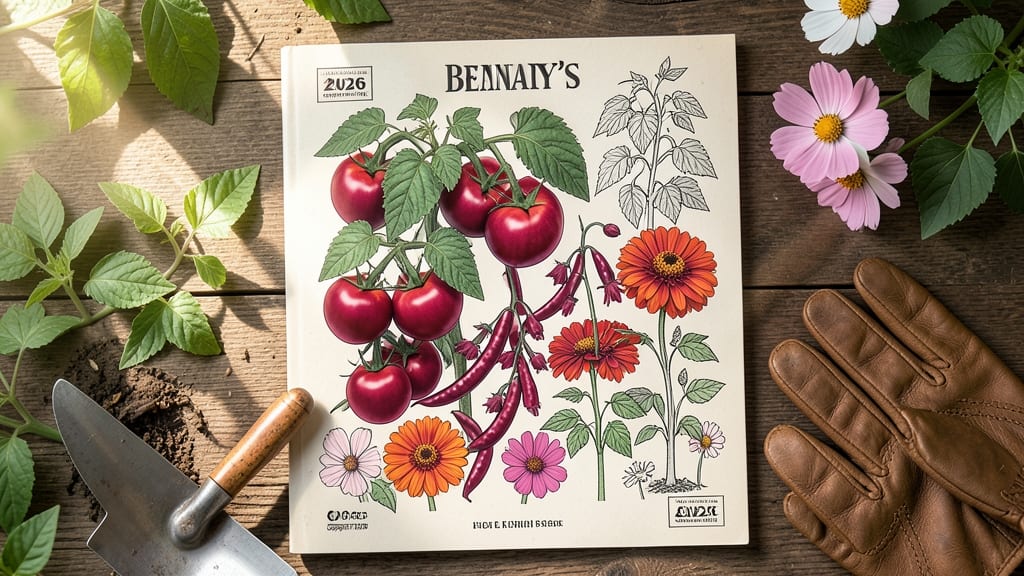
Ordering your 2026 seed catalog now means you’ll have first pick of rare heirlooms and high-performing varieties before they sell out. 🌱 I’ve been planning my garden this way for years—it’s how I discovered the perfect cherry tomatoes that thrive in my short summer and the drought-resistant beans that save water while boosting yield.
The key isn’t just picking pretty names; it’s matching varieties to your climate, sunlight, and what you’ll actually eat.
Most catalogs arrive in late fall or winter, giving you time to research, compare, and order before spring planting rush. Look for notes on days to maturity—this tells you whether a variety fits your growing season.
I always circle early varieties for cool crops like lettuce and late bloomers for tomatoes to stretch my harvest. Pro tip: Save seeds from your best performers to add to next year’s catalog wishlist.
By spring, you’ll have a garden plan tailored to your space, not just wishful thinking. Imagine walking out to rows of plants that actually produce—no more $4 store tomatoes or sad, underperforming seedlings.
The catalogs give you the power to grow exactly what you want, when you want it. That’s the difference between a garden and a grocery store.
Start now by jotting down what worked (and what didn’t) from this year, then flip through catalogs for inspiration. The best gardeners plan ahead, and 2026 could be your most productive season yet. Let’s get those orders in before they’re gone!
📚 In This Guide
- What you need
- Instructions
- Tips and common mistakes
- Wrapping up and next steps
What you need
- ● Seed catalog (2026 edition) – Choose from trusted publishers like Burpee, Park Seed, or Seed Savers Exchange for exclusive varieties.
- ● Notebook or garden planner – Sketch layouts, track planting dates, and note soil preferences.
- ● Measuring tape (10–25 ft) – Essential for spacing rows and beds accurately.
- ● Garden markers & pencils – Label seeds by variety and planting date (waterproof markers work best!).
- ● Seed-starting trays (50–100 cell packs) – Biodegradable options are eco-friendly and reduce transplant shock.
- ● Growing medium (sterile potting mix) – 10–20 quarts, with added perlite or vermiculite for drainage.
- ○ Grow lights (optional but helpful) – LED bulbs (4000K–6500K color temp) for 12–16 hours/day if starting indoors.
- ● Watering can or spray bottle – Keep soil consistently moist (not soggy!) during germination.
- ● Gloves (nitrile or cotton) – Protect your hands from soil, thorns, or sharp tools.
- ● Trowel or transplanting spade – A 6-inch stainless-steel model works for most seeds.
- ● Seedling heat mat – Speeds up germination for cool-weather crops (set to 70–75°F).
- ● Humidity dome or plastic wrap – Retains moisture for delicate seeds like lettuce or basil.
- ● Soil test kit – Check pH and nutrient levels (aim for 6.0–7.0 for most veggies).
- ● Compost or organic fertilizer – Boost soil health with worm castings or balanced 10-10-10 mix.
- ● Row covers or frost cloth – Protects young plants from late frosts (check your 2026 seed catalog for frost-free dates!).
- ● Digital calendar app – Sync planting reminders with local frost dates.
How to plan your 2026 garden using next year’s seed catalog
Here’s how to turn those catalog pages into a thriving, personalized garden plan.
📜 Step 1: Review Varieties and Growing Conditions
Start by scanning the catalog for varieties that suit your USDA hardiness zone and climate. Pay attention to days to maturity—this tells you when to plant for your region’s last frost date. I always highlight heirloom, disease-resistant, or locally adapted varieties first; they’re the backbone of a low-maintenance garden.
Check the light requirements for each plant (full sun, partial shade, etc.) and mark them on a sketch of your garden layout. This step prevents you from planting sun-loving tomatoes where shade trees block light. Pro tip: Use a sun gauge (a simple DIY with a stick and string) to measure sunlight hours in different spots before committing.
📅 Step 2: Map Out Planting Dates and Succession Timing
Flip to the catalog’s planting calendar (most include regional guides) and note the recommended planting windows for each variety. For cool-season crops like lettuce or peas, you’ll plant in early spring and late summer; warm-season crops like beans or cucumbers go in after the last frost. I use a color-coded system—green for spring, red for summer, blue for fall—to visualize the timeline.
Plan for succession planting by circling varieties with short maturity times (e.g., 30-day radishes or 50-day bush beans). This ensures a continuous harvest instead of one big bumper crop. For example, if your catalog lists ‘Cherry Belle’ radishes with a 28-day maturity, schedule a new batch every 2 weeks to keep the harvest going all season.
🌱 Step 3: Organize Seeds by Category and Space Needs
Sort seeds into groups by plant family (e.g., brassicas like kale and broccoli, nightshades like tomatoes and peppers) to avoid cross-pollination issues and disease spread. I use small envelopes or egg cartons to separate seeds by type—this keeps things tidy and prevents mix-ups. Label each with the variety name, quantity, and planting depth from the catalog.
Sketch a scale drawing of your garden beds, noting the mature size of each plant (check the catalog’s plant spacing guidelines). Tall plants like trellised cucumbers go in the north side of beds to avoid shading shorter crops. For containers, calculate how many 6-inch pots you’ll need based on the catalog’s transplant spacing—this prevents overcrowding later.
⏰ Step 4: Order Seeds and Plan for Storage
Place your order early, especially for limited-edition or heirloom varieties—some sell out fast! I always order 10-20% more seeds than I think I’ll need to account for germination failures or seedling losses. Store extra seeds in airtight containers with a silica gel packet to keep them dry; label with the year and viability date (most seeds last 2-5 years, but check the catalog).
If your catalog offers seed-saving tips, bookmark those pages—saving seeds from your best performers (like ‘Brandywine’ tomatoes or ‘Mammoth Melting’ sugar snap peas) lets you preserve unique traits and reduces next year’s costs. I jot down notes like “save seeds from healthiest plant” or “avoid hybrid F1 varieties” (they don’t breed true).
📝 Step 5: Create a Master Planting Schedule
Transfer your notes into a master planting schedule with columns for variety, planting date, harvest window, and notes. I use a spreadsheet or printed chart taped to my fridge—this keeps the plan visible as you prep soil, sow seeds, and transplant. For example, my schedule might list ‘Early Girl’ tomatoes as “plant May 1, harvest July–Sept, succession plant June 15.”
Leave space for adjustments—weather delays, pest issues, or unexpected opportunities (like a neighbor’s extra starts). Real talk: No plan survives the first frost unscathed, but having a roadmap means you’ll pivot with confidence. I always include a “backup plan” column for slow starters or finicky varieties.
Tips & tricks for planning your 2026 garden
These game-changing strategies will help you turn your seed catalog into a thriving, personalized garden plan that actually works.
Catalog Deep Dive: Don't just skim the catalog—highlight varieties with 2-3 year viability or those labeled "heirloom" or "disease-resistant." These are your workhorses for consistent harvests. I also circle the days to maturity and note whether they're cool-season or warm-season crops. This quick visual reference saves hours of planning later.
Sunlight Strategy: Step 1 mentions using a sun gauge, but here's the real secret: test your garden spots for at least 6 hours of direct sunlight during the peak growing months. I mark my garden layout with chalk—full sun areas get my tomatoes and peppers, while partial shade spots host lettuce and herbs. This prevents costly mistakes when you're ready to plant.
Succession Planting Hack: For those 28-day radishes or 50-day bush beans you're planning to succession plant, set a reminder on your phone for 2 weeks before your first harvest date. This ensures you're ready to sow new seeds right when you need them. I keep a small notebook by my garden gate with sowing dates and variety names—it's my failsafe system.
Seed Storage Savvy: When storing your extra seeds, add a small packet of rice to your airtight containers alongside the silica gel. The rice absorbs moisture more effectively than gel alone, especially in humid climates. I also include a pencil note with the purchase year—this helps me track seed age and viability without digging through catalogs later.
Pro Tips for 2026 Seed Catalog
- These game-changing strategies will help you turn your seed catalog into a thriving, personalized garden plan that actually works.
- Catalog Deep Dive: Don't just skim the catalog—highlight varieties with 2-3 year viability or those labeled "heirloom" or "disease-resistant."
- Sunlight Strategy: Step 1 mentions using a sun gauge, but here's the real secret: test your garden spots for at least 6 hours of direct sunlight during the peak growing months.
Frequently asked questions
Got questions about planning ahead with your 2026 seed catalog? Here are some of the most common ones—and their answers—to help you get started!
What’s the best time to order seeds for 2026?
Most seed companies release their catalogs in late summer or early fall (August–October) for the following year. Ordering early ensures your top picks don’t sell out, and you’ll have time to plan your garden layout. Pro tip: set a reminder for next August to lock in your favorites!
Can I still get seeds if I miss the early ordering window?
Many suppliers offer year-round ordering, though popular varieties may sell out during peak seasons. Check for backorders or limited quantities in their FAQs. Some catalogs even release second editions if demand is high.
Are heirloom or organic seeds more expensive in the 2026 catalog?
Yes, heirloom and organic seeds often cost more due to labor-intensive growing methods and certification. However, prices can vary by supplier. Compare catalogs for deals—some offer bulk discounts or seed swaps for organic options.
How do I know if a seed variety is right for my climate?
Look for USDA Hardiness Zone maps in the catalog or on the supplier’s website. Many entries include growing region notes (e.g., "Best for Zones 5–9"). If unsure, ask the company for recommendations—some even offer climate-specific seed guides!
What if I don’t want to commit to a full catalog order?
No problem! Most seed companies let you mix and match varieties online. You can also try seed-sharing networks or local nurseries for unique finds. Many catalogs even offer sample packs to test before bulk-buying.
How do I avoid scams when ordering from a seed catalog?
Stick to reputable suppliers with reviews (check Gardeners.com or Seed Savers Exchange). Avoid deals that seem too good to be true—genuine seeds won’t cost pennies per packet. Always read return policies in case of damaged or non-germinating seeds.
Wrapping up and next steps
The 2026 seed catalog is your golden ticket to a thriving garden—packed with rare heirlooms, climate-resilient varieties, and cutting-edge hybrids tailored for next year’s growing season. Whether you’re a seasoned gardener or just starting, these exclusive picks promise big rewards for your green thumb! 🌱✨
Now’s the time to plan ahead—sketch your garden layout, mark your calendar for planting dates, and start saving for those dream seeds. Your future harvest is waiting!
- 📝 Next step: Bookmark this catalog and revisit it as you refine your 2026 garden vision.
- 📅 Pro tip: Set reminders for early-bird ordering deadlines to snag the best varieties.