
Lawn
Understanding the seed sprouting time for your favorite varieties can turn a frustrating wait into a predictable success — and sometimes even cut those days in half.
Picture this: you’ve just planted your seeds, watered them carefully, and now you’re staring at that tray every morning, willing them to break through. Why does one batch of seeds pop up in 5 days while another sits stubbornly for weeks?
The answer lies in the seed type, soil warmth, and even the time of year you’re planting. Some seeds, like radishes or lettuce, are fast sprouters, while others, like peas or carrots, take their sweet time — unless you know the tricks to speed them along.
In this guide, I’ll break down the exact seed sprouting time for common varieties, so you can set realistic expectations and troubleshoot delays. You’ll learn how temperature, moisture, and light play a role, plus pro tips to coax even the slowest seeds into action faster.
Whether you’re a beginner or a seasoned gardener, timing is everything — and I’ve got you covered.
From pre-soaking techniques to ideal planting windows, we’ll cover everything you need to know to go from seed to sprout in record time. No more guessing games — just science-backed results for a garden that starts strong.
Fastest-sprouting seeds: germination times under 10 days
If you're eager to see quick results in your garden, some seeds deliver sprouts in just 3-7 days—no waiting months! These fastest-sprouting seeds are perfect for impatient gardeners or those planning successive plantings.
The secret lies in their ideal germination conditions, which we’ll break down to maximize speed and success.
Temperature and moisture are the two biggest factors for rapid germination. Most fast-sprouting seeds thrive in 60–75°F soil and need consistent moisture to kickstart growth. Let’s explore the top contenders and how to give them the best start.
🌱 Pro Tip: Use a seedling heat mat if your soil is too cool—it can cut germination time in half for cold-sensitive varieties.
Radishes like 'Cherry Belle' are the undisputed champions, sprouting in just 3–5 days when conditions are perfect. Their speed makes them ideal for interplanting with slower crops like carrots or onions. For best results, sow radish seeds ½ inch deep in loose, well-drained soil and keep it consistently moist.
Lettuce and spinach are close behind, with germination times of 4–10 days, but they prefer cooler temperatures. If your spring soil is still chilly, try seedling heat mats or wait until nighttime temps stay above 50°F.
These leafy greens thrive in partial shade, making them perfect for container gardens or shaded beds.
⚠️ Common Mistake: Overwatering can drown seeds before they sprout. Aim for light misting that keeps soil damp but not soggy.
Beans, especially Scarlet Runner varieties, are heat lovers and sprout fastest in 70–85°F soil. Plant them after the last frost when the ground has warmed up. For faster germination, soak seeds overnight in lukewarm water before planting. This trick can shave off 1–2 days of waiting time.
Turnips and arugula are two more speedy options, with turnips delivering edible greens in just 3–4 weeks from seed. Their rapid growth makes them great for early spring plantings or late summer succession crops. For arugula, avoid planting in hot weather—it bolts quickly when stressed by heat.
To maximize speed, always plant seeds at the correct depth—usually twice the seed’s diameter. For tiny seeds like lettuce, press them gently into the soil surface rather than burying them. A light layer of mulch or vermiculite helps retain moisture without smothering sprouts.
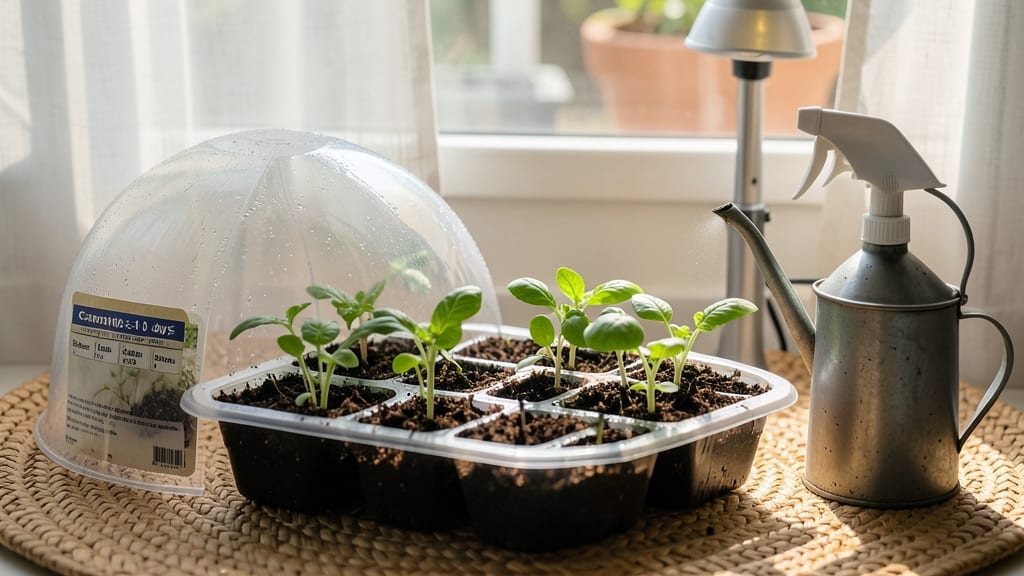
If you’re growing indoors under grow lights, maintain a consistent 70°F temperature and use a humidity dome to create a mini greenhouse effect. This setup can help seeds like beans and radishes sprout 24–48 hours faster than outdoor plantings in cooler climates.
For the fastest results, pair these quick-sprouting seeds with a succession planting schedule. For example, sow radishes every 2 weeks in spring for a continuous harvest. Track your germination times by variety—once you know what works in your microclimate, you can fine-tune your planting strategy for year-round success.
Slow-germinating seeds: why some take weeks (and how to speed them up)
Some seeds seem to take forever to sprout, leaving you staring at your seed trays wondering if they’re ever going to break through. Peas, carrots, and onions are notorious for their 14+ day germination times, but there’s a science behind the wait—and ways to cut it down.
These slow starters often have thick seed coats or specific environmental needs that delay their emergence.
Understanding why certain seeds lag can save you from prematurely replanting or assuming they’ve failed. For example, carrot seeds can take 2-3 weeks because their tiny size and hard shell require perfect moisture and warmth.
Meanwhile, onion seeds may need 10-21 days due to their complex internal structure. The good news? With the right techniques, you can shave days—or even weeks—off their sprouting time.
⚠️ WARNING: Common Mistakes That Stretch Germination Time ⚠️
One of the fastest ways to speed up germination is pre-soaking seeds for 4-12 hours before planting. This method works especially well for peas and onions, whose hard outer layers resist water absorption. Simply place seeds in a bowl of lukewarm water (not hot), then drain and plant immediately.
For carrots, which have tiny seeds, try soaking them in a damp paper towel overnight to soften their shells.
Another powerful technique is scarification, which mimics natural weathering to break down tough seed coats. You can lightly sand seeds with fine-grit sandpaper or rub them between two sheets of sandpaper for 10-30 seconds.
This trick is ideal for onion seeds, which often benefit from a quick abrasion to kickstart their germination. Just be gentle—you don’t want to damage the seed inside!
For seeds that need cold stratification, like some varieties of peas and carrots, place them in a plastic bag with damp sand or peat moss and refrigerate for 1-4 weeks before planting.
This mimics winter conditions and signals the seed that it’s time to grow. After stratification, plant them in warm soil (65-75°F) to see faster results. Always monitor moisture levels—dry conditions can halt germination entirely.
Once your slow seeds finally sprout, give them gentle care to prevent leggy or weak seedlings. Use grow lights if natural light is limited, and maintain consistent moisture without overwatering.
Patience pays off when you see those first green shoots—especially with carrots, which may take weeks to sprout but reward you with crisp, homegrown roots in just 60-80 days.