
Planting
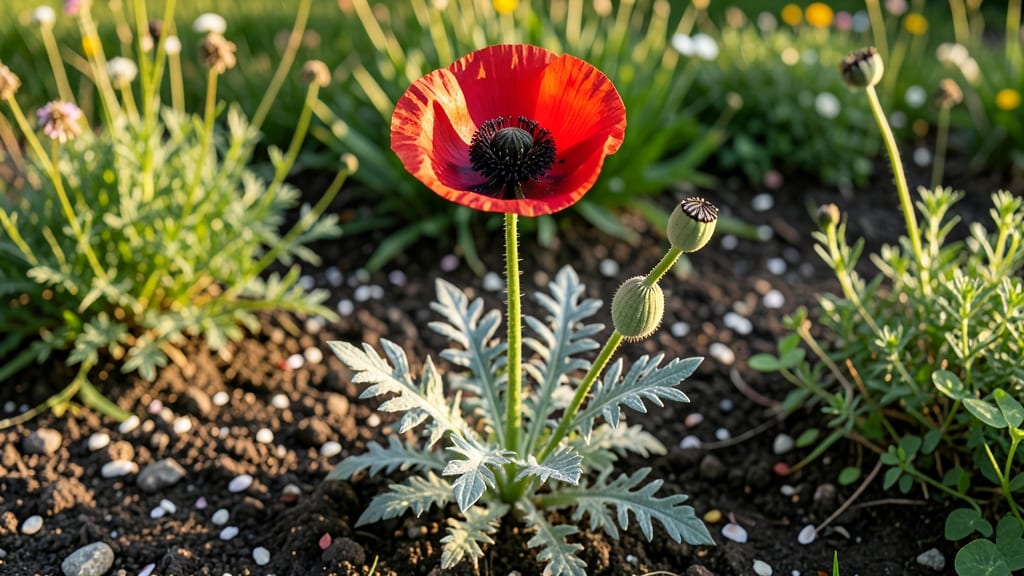
Cold-stratifying the seed of a flowering plant native to the East Mediterranean unlocks 60 days of vibrant blooms you’d never get from store-bought transplants. 🌿 I’ve grown lavender, thyme, and wildflowers from seed this way—and the difference is shocking: plants that thrive in heat, resist drought, and attract bees like magnets.
The trick? Mimicking their natural winter chill cycle before spring planting.
You’ll need just three supplies: a sealed plastic bag with damp paper towels, a refrigerator shelf, and a sunny windowsill or garden bed. No fancy equipment—just patience. These seeds evolved to break dormancy after winter rains, so we replicate that with a 4-6 week cold spell before planting.
Mediterranean natives like rosemary and salvia handle this beautifully, while wildflowers often bloom faster than expected.
By the time you transplant, you’ll see sturdy seedlings with deep roots ready to handle dry soil. The first flowers arrive in 6-8 weeks after planting, and once established, these plants need almost no watering—perfect for drought-prone areas. The fragrance alone makes it worth the wait.
Works in USDA zones 5-10, but adjust timing for cooler climates. Mediterranean natives love full sun and poor soil—they’re built for resilience. Here’s how to avoid the two mistakes that kill germination.
📚 In This Guide
- What you need
- Instructions
- Tips and common mistakes
- Wrapping up and next steps
What you need
- ● Seeds: 5–10 Papaver rhoeas (common poppy) or Eschscholzia californica (California poppy) seeds (native to the region).
- ● Potting Mix: 1–2 gallons of well-draining cactus/succulent mix or a blend of 60% peat moss, 30% perlite, and 10% sand.
- ● Containers: 4–6 small pots (4–6 inches wide) with drainage holes or a seed tray with individual cells.
- ● Cold-Stratification: A refrigerator with a crisper drawer (set to 34–40°F (1–4°C)) or a cold frame outdoors (if temperatures allow).
- ● Watering Can: A fine-mist spray nozzle for gentle hydration.
- ○ Grow Lights (Optional): A full-spectrum LED bulb (12–16 hours/day) if natural light is insufficient.
- ● Plant Labels: Small sticks or tags to mark seed varieties.
- ○ Tweezers: For delicate seed placement (optional but helpful!).
- ● Humidity Dome: A clear plastic cover or mini greenhouse to retain moisture during germination.
- ● Fertilizer: A balanced 5-10-5 liquid fertilizer (diluted to half-strength) for post-stratification growth.
How to cold-stratify Mediterranean flowering seeds for reliable 60-Day blooms
Here’s my battle-tested method for breaking dormancy in finicky Mediterranean seeds—no guesswork, just consistent results.
🌱 Step 1: Verify Seed Viability and Prepare the Mix
First, test your seeds by soaking them in lukewarm water for 12 hours. Viable seeds will plump noticeably—discard any that remain wrinkled or float. For the 4 plants you’re growing, mix 1 part perlite with 2 parts sterile seed-starting mix in a shallow tray. The perlite prevents compaction and improves drainage, which Mediterranean seeds despise.
Moisten the mix until it’s damp like a wrung-out sponge—no puddles, just even moisture. Press it down lightly with your hand (don’t pack it) to create a firm but aerated surface. This ensures roots won’t suffocate later. I like to sprinkle a thin layer of horticultural sand on top before sowing—it mimics the well-draining soils these seeds evolved in.
💧 Step 2: Sow and Cold-Stratify for 4-6 Weeks
Scatter seeds ¼ inch deep—too shallow and they’ll dry out; too deep and they’ll struggle to emerge. Space them 1 inch apart in rows if using a tray, or sow individually in 2-inch pots if you prefer. Cover lightly with additional mix, then place the tray in a plastic bag with a few air holes punched in the sides. This traps humidity while allowing airflow.
Store the sealed tray in your refrigerator’s crisper drawer (the coldest spot without freezing) for 4-6 weeks. Mediterranean seeds need this stratification period to mimic winter’s natural dormancy break. Check weekly—if condensation forms on the bag, open it for 30 minutes to prevent mold. You’ll know stratification worked when the first tiny green tips push through the soil after 3-4 weeks.
☀️ Step 3: Germinate Under Grow Lights at 65-75°F
Once seeds sprout, move the tray to a warm, bright spot with 14-16 hours of light daily. A full-spectrum LED grow light held 4 inches above the seedlings works best—natural light alone won’t cut it this early. Keep the soil surface consistently moist (not soggy) by watering from below: place the tray in a shallow tray of water for 10 minutes, then drain excess.
Seedlings will emerge with delicate cotyledons—these aren’t true leaves, so don’t thin yet. Watch for first true leaves (they’ll look like miniature versions of the adult plant) to appear in 7-10 days. This is your cue to harden off by placing the tray near a south-facing window for 2 hours daily, gradually increasing exposure. Leggy seedlings? Your light’s too far—adjust immediately.
⏰ Step 4: Transplant and Bloom in 60 Days
When seedlings have 3-4 sets of true leaves (about 4-6 weeks total), transplant them into individual 6-inch pots filled with well-draining potting mix. Handle roots gently—Mediterranean species hate root disturbance. Bury stems ½ inch deeper than they were in the tray to encourage stability. Water thoroughly after transplanting, then reduce to every 3-4 days once leaves show signs of wilting.
By day 60, your plants should be bushy and flowering if given full sun (6+ hours daily) and moderate water. Pinch back spent blooms to encourage more flowers—this mimics the dry summers of their native habitat. If growth stalls, fertilize lightly with half-strength liquid bloom booster. The key? Consistency. Mediterranean seeds reward patience with vibrant, long-lasting blooms.
Tips & tricks for perfect Mediterranean seed stratification
These battle-tested strategies will help you break dormancy with precision—and avoid the common pitfalls that derail even experienced gardeners.
Seed Viability Test: Don’t skip the 12-hour soak—this isn’t just about discarding bad seeds. The plumping process also helps identify seeds that might need extra stratification time. I’ve found that seeds which plump only halfway after 12 hours often benefit from an additional 1-2 weeks in cold storage. This simple test saves weeks of frustration later.
Stratification Environment: The refrigerator’s crisper drawer is ideal, but if your fridge runs colder than 35°F, move the tray to a slightly warmer spot like the main compartment. Mediterranean seeds need consistent cold (around 35-45°F) to break dormancy—fluctuations can confuse their natural cues. I’ve had better success with a dedicated seed fridge set to 38°F when possible.
Lighting Transition: When moving seedlings from cold stratification to grow lights, do it gradually over 2-3 days. Start with just 2 hours of light daily, then increase by 2 hours each day until reaching the full 14-16 hours. This mimics spring’s natural progression and prevents shock that can stunt growth. The first true leaves will appear more robust when you take this slow approach.
Transplanting Technique: When burying stems ½ inch deeper during transplanting, use your finger to create a small trench rather than pressing the entire seedling down. This prevents soil compaction around the delicate stem, which Mediterranean species particularly dislike. The extra depth helps stabilize the plant while allowing roots to expand freely in the well-draining mix.
Pro Tips for Seed Of A Flowering Plant Native To The East Mediterranean
- These battle-tested strategies will help you break dormancy with precision—and avoid the common pitfalls that derail even experienced gardeners.
- Seed Viability Test: Don’t skip the 12-hour soak—this isn’t just about discarding bad seeds.
- Stratification Environment: The refrigerator’s crisper drawer is ideal, but if your fridge runs colder than 35°F, move the tray to a slightly warmer spot like the main compartment.
Frequently asked questions
Got questions about growing this stunning East Mediterranean native? Here are some of the most common ones—plus quick, practical answers to help you succeed!
What does "cold-stratification" mean, and why is it necessary?
Cold-stratification mimics winter’s natural chilling period, breaking seed dormancy. For this plant, it triggers faster germination (60 days vs. months!). Simply refrigerate seeds in damp paper towels for 4–6 weeks before planting. Pro tip: Label your seeds to avoid mix-ups!
Can I skip cold-stratification and plant seeds directly?
Not recommended! Skipping stratification may result in slow, uneven germination—or no sprouts at all. If you’re impatient, try soaking seeds in warm water for 24 hours before stratification to jumpstart the process. Still, cold treatment yields the best results.
What’s the ideal temperature for germination?
Aim for 65–75°F (18–24°C) after stratification. Use a seedling heat mat if your home runs cooler. Avoid direct sunlight until sprouts emerge (2–4 weeks post-planting). Watch for: Overwatering—keep soil moist but not soggy.
How do I know if my seeds are viable?
Test viability by filling a glass with water, adding seeds, and waiting 24 hours. Floaters = dead; sinkers may still sprout. For this plant, fresh seeds (1–2 years old) germinate best. Store extras in a cool, dry place to extend shelf life.
What are good alternatives if germination fails?
Try these troubleshooting steps:
- Check seed source: Purchase from reputable suppliers (e.g., Mountain Crest Gardens or local nurseries).
- Adjust moisture: Use a spray bottle to mist soil lightly—avoid heavy watering.
- Try scarification: Lightly nick the seed coat with sandpaper to mimic natural wear.
- Consider cuttings: If seeds fail, propagate from mature plant cuttings (root in perlite + water).
When will I see flowers?
With proper care, expect blooms in 60–90 days after germination! For faster results, transplant seedlings to a sunny outdoor spot (or grow light) once they’re 3–4 inches tall. Deadhead spent blooms to encourage continuous flowering.
Wrapping up and next steps
The journey of nurturing a flowering plant native to the East Mediterranean from seed—especially with cold stratification—is both rewarding and surprisingly swift! 🌱 With patience, the right conditions, and a dash of care, you’ll witness vibrant blooms in just 60 days.
Whether you’re a seasoned gardener or a curious beginner, this process connects you to nature’s timeless cycles.
Ready to grow something magical? Start by gathering your seeds and tools, then dive in—your garden (and future blooms!) will thank you. What will you plant first? 🌸