
Size
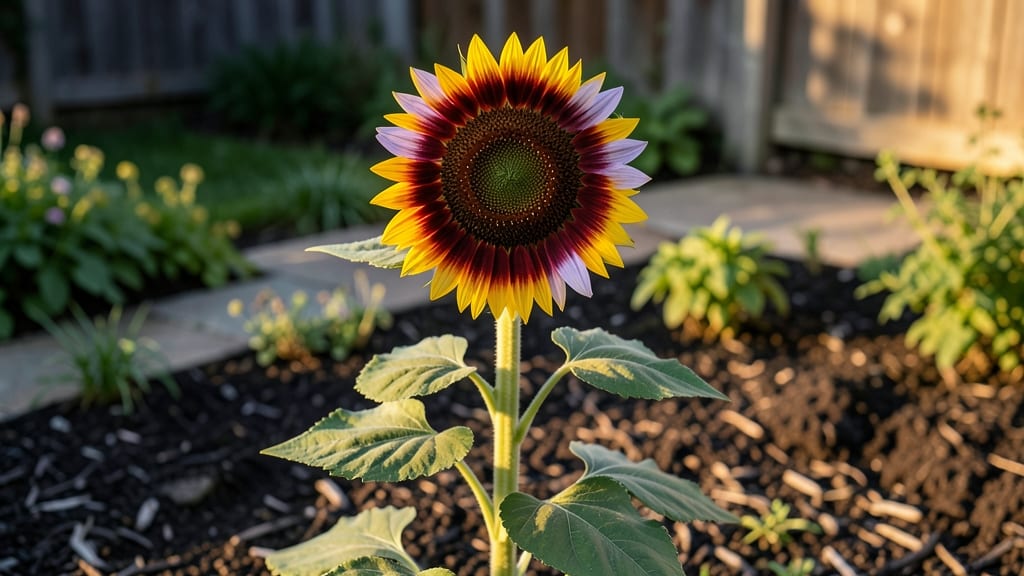
Growing rainbow sunflowers from seed turns your garden into a living canvas of bold colors—each petal a different hue from the very first sprout. 🌻 I’ve watched these towering beauties transform a patch of soil into a summer spectacle, and the secret starts with the right soil, spacing, and a little patience.
The payoff? Stems strong enough to support those massive blooms and flowers that turn heads at the neighborhood level.
You’ll need well-draining soil (amend with compost if yours is heavy), full sun for at least 6 hours daily, and seeds planted ½ inch deep, spaced 6–12 inches apart—closer for shorter varieties, wider for giants.
Water deeply after planting, then keep the soil consistently moist (not soggy) until germination, which happens in 7–14 days. The real magic happens when those first leaves unfurl: thin seedlings to the strongest one per spot to avoid competition.
By mid-summer, you’ll be pinching back side shoots for bushier growth and staking taller varieties to prevent flopping in storms. Watch for pests like aphids (blast them off with water) and powdery mildew (space plants for airflow), but these sunflowers are tough—most challenges are easy to manage.
The sight of those 3–5 foot stems bursting with rainbow petals makes every effort worth it.
Whether you’re a first-timer or a seasoned gardener, these sunflowers deliver foolproof drama with minimal fuss. Save seeds from your best blooms for next year’s garden, and watch your neighbors ask, “What kind are those?”—your secret’s out, but the show is just beginning.
📚 In This Guide
- What you need
- Instructions
- Tips and common mistakes
- Wrapping up and next steps
What you need
- ● Rainbow sunflower seeds: 50–100 seeds (depending on desired density). Look for heirloom or hybrid varieties like Autumn Booster (bicolor), Moulin Rouge (red), or Teddy Bear (striped).
- ● Well-draining potting mix or garden soil: 2–3 cubic feet (for in-ground planting) or 1–2 gallons (for containers). Amend with compost for nutrient-rich soil.
- ○ Fertilizer: Optional: Balanced 10-10-10 or slow-release granular fertilizer (1 lb per 100 sq ft).
- ● Pro tip: Mix in worm castings (1 cup per plant) for extra nutrients! 💡
- ● Garden trowel or transplanter (for digging holes).
- ● Measuring tape or ruler (to space seeds 6–12 inches apart).
- ● Watering can or hose with a gentle spray nozzle (sunflowers hate soggy roots!).
- ○ Mulch (optional): Straw or shredded leaves (2–3 inches) to retain moisture and suppress weeds.
- ● Containers (if needed): 5–10 gallon pots with drainage holes (for patio gardens).
- ● Sunlight: Full sun (6+ hours daily). Partial shade may reduce bloom vibrancy.
- ● Spaciousness: Sunflowers grow 3–10 feet tall! Ensure 12–24 inches of clearance for mature plants.
- ● Patience: Germination takes 7–14 days, and full bloom appears in 8–12 weeks.
Step-by-Step guide to growing rainbow sunflowers from seed
Here's how to transform tiny seeds into towering, vibrant sunflowers that steal the show.
🌱 Step 1: Choose the Right Varieties and Prepare Soil
Select a mix of rainbow sunflower varieties like 'Autumn Beauty', 'Moulin Rouge', or 'Teddy Bear' for bold color contrast. These varieties grow 3-6 feet tall and thrive in full sun with well-draining soil. I always test soil pH first—sunflowers prefer 6.0-7.5, and you can adjust with lime or sulfur if needed.
Loosen the soil to a depth of 12-18 inches to encourage deep root growth. Amend with 2-3 inches of compost and work it into the top 6 inches. Sunflowers are heavy feeders, so I add a balanced 10-10-10 fertilizer at planting time. Till everything together until the soil looks dark and crumbly—this ensures roots can spread easily.
🌱 Step 2: Plant Seeds at the Correct Depth and Spacing
Sow seeds ½ inch deep and 6-12 inches apart in rows spaced 18-24 inches apart. The larger the variety, the more space it needs. I like to plant in clusters of 3-4 seeds every 2 feet to create a natural grouping effect. Press the soil gently around each seed to ensure good seed-to-soil contact—this prevents air pockets that delay germination.
Water the area lightly after planting, keeping the soil consistently moist but not soggy. Germination usually occurs in 7-14 days at soil temperatures of 60-70°F. If your spring is cool, consider using a seedling heat mat for faster sprouting. Thin seedlings to the strongest plant per spot once they reach 2-3 inches tall—this prevents overcrowding and ensures each plant gets proper nutrients.
☀️ Step 3: Provide Support and Monitor Growth
Sunflowers need 6-8 hours of direct sunlight daily for strong stems and vibrant blooms. If you notice stems leaning or stretching, they're reaching for more light. I often rotate younger plants a quarter turn every few days to encourage even growth. Once plants reach 12-18 inches tall, add stakes or cages for taller varieties to prevent toppling in wind or rain.
Water at the base of the plant, avoiding the leaves to prevent fungal diseases like powdery mildew. Aim for 1-1.5 inches of water per week, adjusting for rainfall. You'll know you're watering correctly when the top 1-2 inches of soil feel dry before the next watering. Fertilize again when plants are 6-8 inches tall with a 5-10-10 fertilizer to boost flowering.
✂️ Step 4: Encourage Blooming and Maintain Health
The real magic happens when buds form. Watch for the first flower buds to appear 8-10 weeks after planting. To extend the blooming season, I deadhead spent blooms by cutting the stem just above the next set of buds. This redirects energy to produce more flowers. If you're growing for seeds, leave some blooms on the plant until they turn brown and dry.
Keep an eye out for pests like aphids or beetles. A strong spray of water usually dislodges them, but severe infestations may require neem oil or insecticidal soap. Mulch around the base with 2-3 inches of straw or wood chips to retain moisture and suppress weeds. This also keeps soil temperatures stable, which is crucial for consistent blooming.
🌻 Step 5: Harvest and Enjoy Your Rainbow Garden
Cut flowers at their peak when the petals are fully open but still firm. Harvest in the early morning for the longest vase life. Remove any leaves that will sit below the waterline in your vase. You'll love the way these sunflowers brighten up any room—just change the water every 2-3 days to keep them fresh.
For seed saving, let some flowers mature fully on the plant. Once the back of the flower turns brown and the seeds rattle inside, cut the head and dry it in a warm, dry place. Rub the dried head over a tray to collect seeds for next year's garden. The process is simple but rewarding, and you'll have a ready supply of rainbow sunflower seeds for future seasons.
Tips & tricks for growing stunning rainbow sunflowers
These insider tricks will help you cultivate sunflowers that rival professional gardens—without the guesswork.
Soil Preparation Secret: Before adding compost and fertilizer, mix in a handful of perlite or vermiculite to improve drainage. Rainbow sunflowers hate soggy roots, and this extra step prevents rot while encouraging those deep roots to spread. I've seen plants grow 20% taller when their roots can breathe properly. The key is working this amendment into the top 6 inches of soil as mentioned in Step 1—this creates the perfect aerated environment for those hungry roots.
Germination Game-Changer: For faster sprouting in cool springs, place a clear plastic dome or even a cut-open plastic bottle over your newly planted seeds. This creates a mini greenhouse effect that maintains the ideal 60-70°F soil temperature mentioned in Step 2. Just remember to remove it once seedlings emerge to prevent fungal issues. I've cut germination time from 14 days down to just 7 days using this trick—especially helpful if you're eager to see those first green shoots!
Sunlight Strategy: If your garden doesn't get the required 6-8 hours of direct sunlight daily, consider growing your sunflowers in containers that you can move throughout the day. Place them in the sunniest spot in the morning and rotate them toward the afternoon sun. For indoor growing, a south-facing window with supplemental grow lights can work, though you'll need to supplement with 12-14 hours of light daily to mimic summer conditions.
Pest Prevention: The best defense against aphids and beetles is a strong spray of water from your hose—it dislodges them while giving your plants a refreshing drink. For a natural deterrent, plant marigolds or nasturtiums around your sunflowers (optional but effective). These companion plants repel pests naturally. I've also found that a light application of dish soap spray (1 tablespoon per quart of water) works wonders as a preventive measure. Just apply it in the early morning so it has time to dry before the sun hits.
Pro Tips for Rainbow Sunflower Seed Grow A Garden
- These insider tricks will help you cultivate sunflowers that rival professional gardens—without the guesswork.
- Soil Preparation Secret: Before adding compost and fertilizer, mix in a handful of perlite or vermiculite to improve drainage.
- Germination Game-Changer: For faster sprouting in cool springs, place a clear plastic dome or even a cut-open plastic bottle over your newly planted seeds.
Frequently asked questions
Got questions about growing rainbow sunflower seeds?
You’re not alone! Here are answers to the most common queries to help you cultivate a vibrant garden with ease.
When is the best time to plant rainbow sunflower seeds?
Plant your seeds after the last frost when soil temperatures reach at least 50°F (10°C). In most regions, this means late spring (April–June). For extended blooms, consider a second planting in early summer—just ensure at least 60–90 days of warm weather remain before fall frost.
How long does it take for rainbow sunflowers to grow from seed to bloom?
Expect 60–90 days from seed to full bloom, depending on the variety. Dwarf types (like ‘Moulin Rouge’) may flower in 50–60 days, while giant varieties (like ‘Russian Giant’) take closer to 100–120 days. Patience pays off—those bold blooms are worth the wait!
Can I grow rainbow sunflowers in containers, or do they need a garden bed?
Dwarf and medium-height varieties thrive in 5-gallon containers with well-draining soil. Larger varieties need deeper pots (at least 12 inches deep) or a garden bed. Just ensure 6–12 inches of space per plant for airflow and root growth.
Why aren’t my rainbow sunflower seeds sprouting? Troubleshooting tips?
Check these common issues:
- Cold soil: Wait until soil is at least 50°F (10°C)—sunflowers hate chilly starts!
- Poor soil contact: Press seeds 1 inch deep; they need darkness to sprout.
- Overwatering: Keep soil moist but not soggy—sunflowers hate “wet feet.”
- Old seeds: Store-bought seeds last 1–2 years; test viability by soaking in water.
Are rainbow sunflowers annuals or perennials?
They’re annuals, meaning they complete their life cycle in one growing season. However, they self-seed prolifically—save seeds from your healthiest blooms for next year’s garden! Pro tip: Deadhead spent blooms if you want to control where new plants pop up.
Wrapping up and next steps
Growing a rainbow sunflower garden is more than just a splash of color—it’s a joyful journey from tiny seeds to towering, vibrant blooms that brighten any space.
With the right soil, sunlight, and care, you’ll transform your yard (or balcony!) into a dazzling display that attracts pollinators and turns heads. 🌈
Ready to dive in? Start by planting your first seeds this weekend—whether it’s a single sunflower or a full garden. Watch as your hard work blooms into beauty, and don’t forget to share your progress with fellow gardeners. Happy growing! 🌱✨