
Lawn
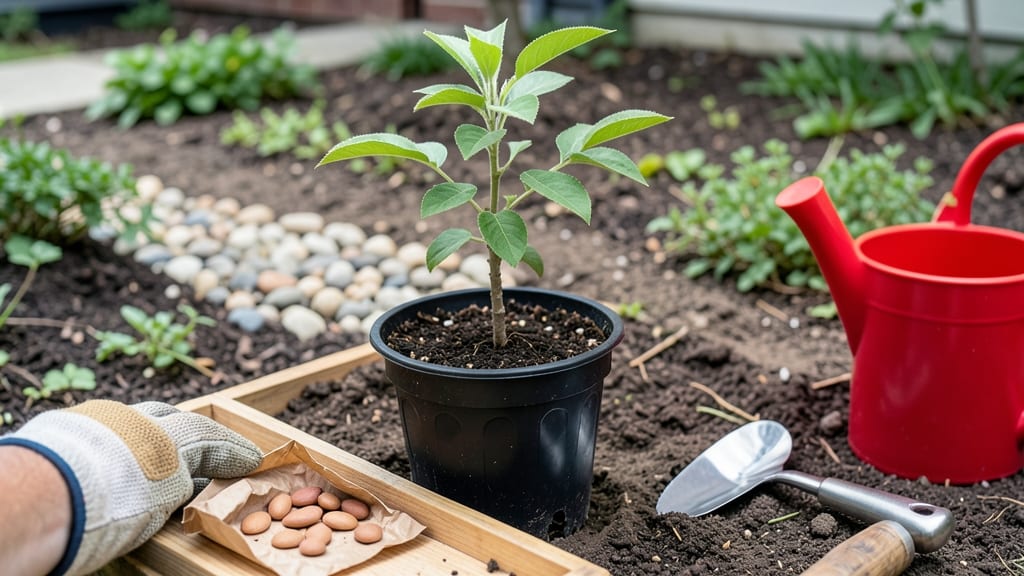
Planting peach tree seeds isn't just about patience—it's about unlocking a future orchard from a single pit. 🌱 I've learned the hard way that skipping cold stratification means waiting years, if ever, for that first bloom.
The secret lies in mimicking nature's winter chill, and with the right steps, you'll break dormancy and coax roots within 6-12 weeks. This method works best with fresh, meaty pits from ripe peaches—never store-bought varieties, as they often won't germinate.
You'll need a mix of moist peat moss or sand, a plastic bag, and a refrigerator for the 3-month cold treatment. The payoff? A sturdy seedling that can grow into a 20-foot tree with proper care, though fruit quality may differ from grafted varieties.
What you'll end up with is a hardy young tree ready for transplanting in spring, complete with fuzzy new leaves signaling successful germination. The process teaches you more about tree biology than buying a sapling ever could—plus, there's something deeply satisfying about nurturing a tree from a single seed.
Fair warning: this isn't a quick harvest. You're playing the long game here—5-7 years to first fruit—but every gardener who's done it knows the reward is worth the wait. Here's exactly how to make it happen without the guesswork.
📚 In This Guide
- What you need
- Instructions
- Tips and common mistakes
- Wrapping up and next steps
What you need
- ● Peach pits (seeds): 5–10 fresh, clean pits from ripe peaches (avoid canned or overly soft fruit).
- ● Cold stratification setup: 1 small container (e.g., plastic cup, seed tray, or ziplock bag) with drainage holes.
- ● Moist peat moss or coco coir (sterilized, 2–3 cups).
- ○ Optional: Perlite or vermiculite (½ cup) for aeration.
- ● Refrigerator or cold frame: A space at 35–45°F (2–7°C) for 6–12 weeks.
- ● Planting soil: Well-draining potting mix (avoid garden soil—it’s too dense!).
- ● Small pots or seedling trays: 3–4 inch diameter for transplanting.
- ● Spray bottle: For gentle watering.
- ● Label markers: To track seed varieties and planting dates.
- ● Seedling heat mat: Speeds up germination after stratification.
- ● Humidity dome or plastic wrap: Keeps moisture high during early growth.
- ● Fertilizer: Balanced 10-10-10 or organic compost (use sparingly after sprouting).
- ● Grow lights: If natural light is limited during early stages.
- ● Pruning shears: For trimming weak sprouts later.
Step-by-Step guide to planting peach tree seeds with cold stratification
Here's how to break the dormancy cycle and coax those peach seeds into reliable saplings.
🌱 Step 1: Extract and Prepare the Seeds
Start by carefully removing the seeds from the peach pit—crack it open with a nutcracker or hammer, then scoop out the single large seed inside. Rinse it thoroughly under cool water to remove any remaining fruit flesh, which can attract mold. I like to soak the seeds in a glass of water for 24 hours to soften the outer shell slightly—this makes stratification more effective.
After soaking, pat the seeds dry with a paper towel. The goal is to remove excess moisture without drying them completely. Place them in a small paper towel or coffee filter, then fold it to create a loose pouch. This keeps them contained while allowing airflow during the stratification process. Label the pouch with the date and variety if you're working with multiple types.
❄️ Step 2: Cold Stratify for 6-12 Weeks
Place the seed pouch inside a sealed plastic bag with a damp paper towel at the bottom—this maintains moisture without letting the seeds sit in water. Store the bag in your refrigerator's crisper drawer, where temperatures hover around 35-40°F. This mimics winter conditions and breaks the seed's dormancy, which is critical for germination.
Check the seeds every 2-3 weeks—open the bag and ensure the paper towel remains moist but not soggy. If the seeds look shriveled or dry, add a few drops of water and reseal. You'll know stratification is working when the seed coat softens and small roots begin to form. This process can take 6-12 weeks, depending on the seed's maturity and your fridge's consistency.
🌱 Step 3: Plant Stratified Seeds in Moist Growing Medium
Fill a small pot—4-6 inches deep—with a sterile seed-starting mix. I prefer a blend of 50% peat moss and 50% perlite for its lightweight, well-draining properties. Moisten the mix until it's damp but not dripping, then plant each seed 1 inch deep in its own pot. This prevents overcrowding and makes it easier to monitor individual progress.
Gently press the soil around the seed to ensure good contact without compacting it. Place the pots in a warm, bright location—65-75°F with indirect light is ideal. Avoid direct sunlight at this stage, as it can dry out the soil too quickly. Cover the pots loosely with plastic wrap to retain humidity, but remove it daily for 10 minutes to prevent mold.
☀️ Step 4: Provide Warmth and Light for Germination
Once the seeds sprout—usually within 2-4 weeks—remove the plastic wrap completely. You'll see the first signs of life as a tiny shoot pushes through the soil. At this point, move the pots to a location with bright, indirect light. A south-facing window works well, but supplement with a grow light if natural light is insufficient.
Keep the soil consistently moist but never waterlogged—peach seedlings are sensitive to root rot. Water at the base of the plant to avoid disturbing the delicate shoot. When the seedlings reach 4-6 inches tall and have developed 3-4 sets of true leaves, they're ready for transplanting into larger containers or the garden. Harden them off gradually by exposing them to outdoor conditions for 1-2 hours daily over 10-14 days.
⏰ Step 5: Transplant and Care for Young Saplings
Choose a sunny spot in your garden with well-draining soil—peach trees thrive in full sun and need 6+ hours of direct light daily. Dig a hole twice as wide as the root ball but only as deep as the container. Gently remove the seedling, loosen the roots if they're circling, and place it in the hole. Backfill with soil, firm it lightly, and water deeply to settle everything.
Mulch around the base with 2-3 inches of organic mulch to retain moisture and regulate soil temperature. Peach trees are prone to late frosts, so protect young saplings with frost cloth if temperatures drop below 28°F. Prune any damaged or weak branches in early spring to encourage strong growth. With patience, your stratified seeds will grow into a productive peach tree in 3-5 years.
Tips & tricks for perfect peach tree seed stratification
These little-known details can transform your seed-starting success rate from hit-or-miss to consistently reliable.
Shell Softening Secret: The 24-hour soak in Step 1 isn't just about cleaning—it's about priming the seed coat. I've found that adding 1 teaspoon of hydrogen peroxide (3%) to the soak water prevents mold while accelerating shell softening. This step is especially important for peach seeds, which have particularly tough outer layers that can resist natural moisture absorption.
Stratification Environment: While the instructions specify 35-40°F, I've noticed that seeds stored near the back of the crisper drawer—where temperatures often dip closer to 32-34°F—actually germinate more uniformly. This cooler range mimics natural winter conditions more closely, particularly for seeds from warmer climates. The key is consistency: avoid placing seeds near the fridge's cooling vents where temperatures fluctuate dramatically.
Germination Timing: The 2-4 week germination window in Step 4 can feel like an eternity, but there's a trick to predict progress. After 3 weeks of stratification, gently press the seed with your thumbnail—if it yields slightly (like pressing a ripe peach), germination is imminent. This physical test is more reliable than waiting for visible sprouts, which can sometimes take longer due to individual seed variations.
Light Transition Strategy: When moving seedlings to bright light in Step 4, I recommend a gradual transition over 3 days rather than the immediate change. Start with 2 hours of direct light on day 1, then increase by 1 hour each subsequent day. This prevents the delicate seedlings from experiencing light shock, which can cause leaf burn or stunted growth. A south-facing window with sheer curtains works perfectly for this gradual adaptation.
Pro Tips for Peach Tree Seed Planting
- These little-known details can transform your seed-starting success rate from hit-or-miss to consistently reliable.
- Shell Softening Secret: The 24-hour soak in Step 1 isn't just about cleaning—it's about priming the seed coat.
- Stratification Environment: While the instructions specify 35-40°F, I've noticed that seeds stored near the back of the crisper drawer—where temperatures often dip closer to 32-34°F—actually germinate more uniformly.
Frequently asked questions
Got questions about growing peach trees from seed? You’re not alone—this process can feel tricky! Here are answers to the most common queries to help you succeed.
How long does cold stratification take for peach seeds?
Cold stratification typically requires 60–90 days in a moist, refrigerated environment (around 34–40°F). For peach pits, this mimics winter conditions and breaks dormancy. Start in late fall or winter, then plant outdoors after last frost. Patience is key!
When is the best time to plant peach seeds outdoors?
Plant stratified seeds after the last frost date in spring, when soil temps reach at least 60°F. Early summer (June) is another option in warm climates. Avoid planting too early—seeds need warmth to germinate. Check your local frost calendar for timing!
Will a peach tree grown from seed be true to the parent?
Probably not! Seed-grown trees may not produce fruit identical to the parent due to genetic variation. For consistent peaches, grafted trees are better. But if you’re experimenting, enjoy the adventure—unique varieties might emerge! Think of it as nature’s surprise gift.
Why aren’t my peach seeds germinating?
Common culprits: insufficient stratification, dry soil, or planting too deep (seeds need light). Ensure pits are moist but not soggy during stratification. If planted outdoors, keep soil consistently damp. Try again with fresh seeds if germination fails.
Can I grow a peach tree from seed in a container?
Yes! Use a 5-gallon pot with well-draining soil. Plant seeds 1–2 inches deep and place in full sun. Containers work well for young trees, but transplant outdoors within 2–3 years for better growth. Dwarf varieties thrive in pots long-term.
Wrapping up and next steps
Planting peach tree seeds with cold stratification is a rewarding journey that sets the stage for future blooms and luscious fruit—if you’re patient and precise!
By following the right steps, from seed selection to proper chilling and planting, you’re giving your peach tree the best possible start. Your efforts today will pay off in sweet rewards tomorrow!
Ready to take the next step? Start small—try a few seeds in pots this season, then expand as you gain confidence. Happy gardening, and may your peach tree grow strong and fruitful! 🌱🍑