
Lawn
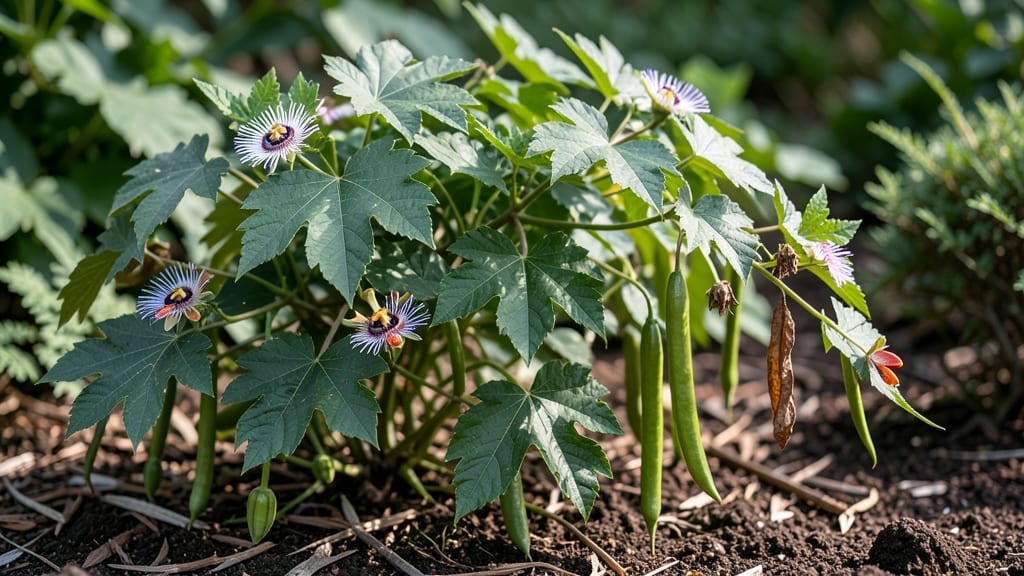
Passionflower seed pods are nature’s way of guaranteeing next year’s dramatic blooms—if you know how to handle them right. 🌿 I’ve learned the hard way that skipping the drying step means rotten seeds, and planting too early means wasted effort.
The key is patience: harvesting at the perfect moment, drying them properly, and timing the planting just right for strong germination.
You’ll need ripe pods (they should be brown and papery, not green), a dry, well-ventilated space, and a little bit of time—about 4-6 weeks for drying. Once the seeds are ready, they’ll look like tiny, hard little beans inside those intricate pods.
The trick is to mimic their natural dormancy period by storing them in a cool, dry place before planting in early spring.
When you’re ready to plant, these seeds need warm soil (60-70°F) and bright, indirect light to sprout. Germination can take 2-4 weeks, so don’t rush it—just keep the soil moist and consistent.
The payoff? Lush vines with those signature 3-inch-wide blooms by next summer, all from seeds you saved yourself.
Common challenges? Overwatering the drying pods or planting them too soon. But once you get the rhythm, passionflower seeds become a foolproof way to grow these stunning climbers for free. Here’s how to do it right the first time.
📚 In This Guide
- What you need
- Instructions
- Tips and common mistakes
- Wrapping up and next steps
What you need
- ● Passionflower seed pods: Fresh, fully ripened pods (turning brown or slightly shriveled) from healthy plants.
- ● Pruning shears or sharp scissors: For cleanly harvesting pods without damaging the vine.
- ● Paper bags or brown paper: 3–5 medium-sized bags (1 per pod or per small batch) to collect seeds and prevent moisture loss.
- ● Drying tray or screen: A flat, well-ventilated surface (like a wire rack or cardboard box with holes) for spreading pods to dry.
- ● Fine-mesh sieve or colander: For separating seeds from dried pod debris.
- ○ Air-tight storage containers: Small jars or envelopes with silica gel packets (optional but recommended) to keep seeds dry.
- ● Permanent marker or labels: To label containers with the harvest date and plant variety (if applicable).
- ● Gloves: Protect your hands from thorns or sticky sap (nitrile gloves work best).
- ● Fan or dehumidifier: Speeds up drying in humid climates.
- ● Magnifying glass: Helps inspect seeds for viability or pests.
- ● Hair dryer (cool setting): For expedited drying in a pinch (use cautiously!).
- ● Planting trays or seed-starting mix: If you plan to sow seeds immediately after drying.
How to harvest, dry, and plant passionflower seed pods
Here's the straightforward method I use to save seeds and grow new passionflower vines every year.
🌿 Step 1: Identify and Harvest Ripe Seed Pods
Wait until the passionflower pods turn a deep brown and feel slightly papery to the touch—this means they're fully mature. I harvest them in the morning when the air is cool and the pods are still firm. Use clean, sharp scissors or pruners to cut the entire pod from the vine, leaving about ½ inch of stem attached.
Don't harvest green or partially brown pods—they won't dry properly. You'll know they're ready when the pod splits open naturally along one side, revealing the seeds inside. If you find a pod that's already opened, collect the seeds immediately and dry them separately.
🌱 Step 2: Dry the Pods Properly
Place the harvested pods in a single layer on a mesh screen or paper towel in a warm, dry location with good air circulation. I use a spot near a sunny window but not in direct sunlight—too much heat can scorch the pods. Keep them out of direct sunlight for about 1-2 weeks until they're completely dry and brittle.
You'll know they're ready when the pods rattle when shaken and the seeds inside are loose. If you see any signs of mold or soft spots, discard those pods immediately—they won't store well. Store the dried pods in a paper bag or envelope in a cool, dark place until you're ready to plant.
⏰ Step 3: Extract and Store the Seeds
Once the pods are fully dry, gently squeeze them to release the seeds. You'll find several flat, winged seeds inside each pod. Remove any debris or empty seed casings, then place the clean seeds in a small paper envelope. Label it with the variety and the year—passionflower seeds lose viability quickly if stored improperly.
For best results, store the seeds in a dry, cool place at 40-50°F. They'll remain viable for up to 3 months, so plan to plant them as soon as possible. If you need to store them longer, place them in a sealed container with a packet of silica gel to absorb moisture.
🌱 Step 4: Plant the Seeds for Next Year
Sow passionflower seeds in early spring, about 6-8 weeks before your last frost date. Plant them ¼ inch deep in well-draining soil, spacing them 6 inches apart. Keep the soil consistently moist but not soggy—passionflower seeds need steady moisture to germinate.
You'll see seedlings emerge in about 2-4 weeks, depending on the temperature. Once the seedlings have 2-3 true leaves, thin them to the strongest plant per location. Passionflowers grow quickly, so give them plenty of space to spread—these vines can reach 10-20 feet in a single season.
☀️ Step 5: Provide Optimal Growing Conditions
Passionflowers thrive in full sun to partial shade, with at least 6 hours of sunlight daily. They prefer well-draining soil but can tolerate a variety of soil types. Water regularly during the growing season, keeping the soil evenly moist but not waterlogged.
Fertilize lightly in the spring with a balanced, water-soluble fertilizer to encourage healthy growth. Avoid heavy feeding—passionflowers are sensitive to excess nutrients. Mulch around the base of the plant to retain moisture and suppress weeds, but keep the mulch 2 inches away from the stem to prevent rot.
Tips & tricks for perfect passionflower seed pods
These little-known details will help you avoid common pitfalls and maximize your seed-saving success.
Harvesting Timing: I can't stress enough how important it is to harvest pods in the morning when they're still firm. The cooler air helps preserve their structure, making them easier to handle. If you must harvest later in the day, wait until late afternoon to avoid the midday heat, which can cause the pods to soften and split prematurely.
Drying Strategy: The 1-2 week drying period in Step 2 is your best friend for seed viability. I've found that placing pods on a mesh screen over a shallow tray helps prevent mold by allowing air to circulate underneath. If your kitchen feels too humid, consider using a small fan on low to speed up the process while avoiding direct airflow on the pods.
Seed Viability: That 3-month storage window is tighter than it sounds. I've learned the hard way that passionflower seeds lose viability quickly—even in ideal conditions. If you're storing seeds longer than 3 months, place them in the freezer (-0°F) for up to 6 months. The cold slows down the aging process significantly, though germination rates will still decrease over time.
Planting Preparation: Before planting those ¼-inch deep seeds, I always give the soil a good soak the day before. Passionflower seeds need consistent moisture, and pre-moistening helps create the ideal germination environment. Just be careful not to oversaturate—these seeds rot just as easily as they dry out.
Pro Tips for Passionflower Seed Pods
- These little-known details will help you avoid common pitfalls and maximize your seed-saving success.
- Harvesting Timing: I can't stress enough how important it is to harvest pods in the morning when they're still firm.
- Drying Strategy: The 1-2 week drying period in Step 2 is your best friend for seed viability.
Frequently asked questions
Got questions about passionflower seed pods?
You’re not alone! Here are answers to the most common queries—from harvesting to planting—so you can grow these stunning vines with confidence.
When is the best time to harvest passionflower seed pods?
The ideal time to harvest passionflower seed pods is when they turn wooden-brown and begin splitting open naturally, usually in late fall or winter. Avoid harvesting green pods—they won’t contain viable seeds. If pods split too early, collect them promptly to prevent seed loss.
How long does it take for passionflower seed pods to dry?
Freshly harvested passionflower seed pods need 2–4 weeks to dry completely in a well-ventilated, dry space (like a paper bag with holes). For faster drying, spread them in a single layer under indirect sunlight. Test dryness by gently squeezing a pod—if seeds rattle inside, they’re ready!
Can I plant passionflower seeds directly from the pod, or do I need to extract them?
You can plant seeds directly from the pod, but extracting them first improves germination rates. Gently crush the dried pod to release seeds, then sow them 1/4-inch deep in moist soil. Alternatively, plant whole pods (split open) for a natural look—just ensure they’re fully dried to avoid rot.
Do passionflower seed pods need cold stratification before planting?
Yes! Passionflower seeds benefit from cold stratification (4–6 weeks in the fridge in a damp paper towel) to break dormancy. Skip this step if you’re planting in fall/winter—nature handles it! For spring planting, stratify seeds indoors for best results.
What should I do if my passionflower pods rot before drying?
If pods rot, it’s usually due to high humidity or moisture. To salvage seeds:
- Open the pod and extract any intact seeds.
- Rinse seeds gently with water, then dry them on a paper towel for 24 hours.
- Store dried seeds in a cool, dry place until ready to plant.
Wrapping up and next steps
Harvesting and preserving passionflower seed pods is a rewarding way to ensure next year’s vibrant blooms—whether for beauty, wildlife, or even culinary adventures! 🌸 With the right tools and a little patience, you can transform these unique pods into a sustainable source of seeds.
Now that you’re equipped with the know-how, why not take the next step? Grab those pods, dry them properly, and plant them with confidence—your garden (and future butterflies!) will thank you.
Pro tip: Share your passionflower journey with fellow gardeners—swap seeds, tips, or even photos to inspire others! 🌱