
Lawn
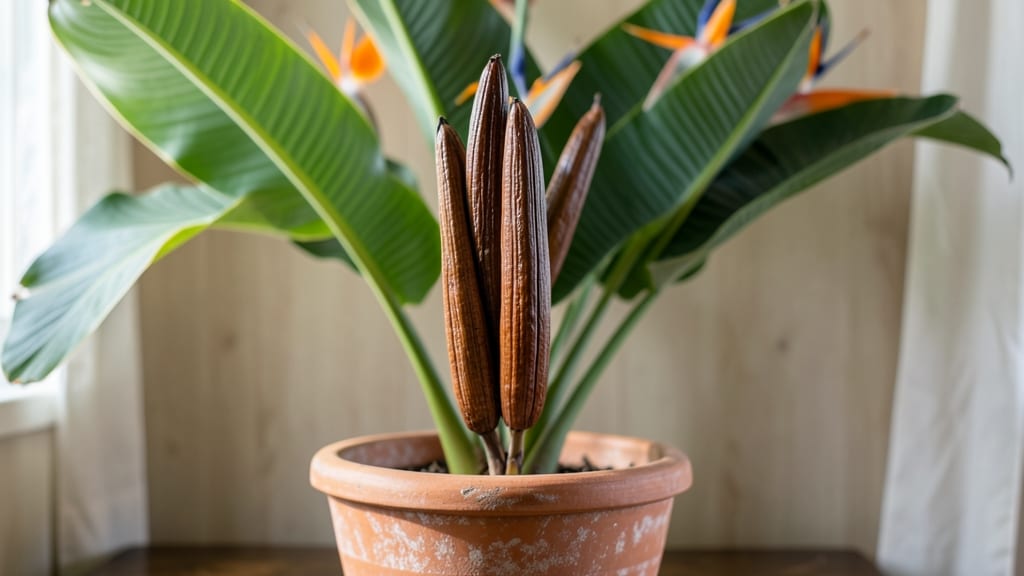
Those striking Mexican bird of paradise seed pods hold the key to growing these vibrant tropical plants year-round. 🌿 I've propagated dozens from seed, and the trick lies in understanding their unique chill-triggered germination—no greenhouse required.
The pods themselves look like dried orange lanterns, but inside lies the potential for lush foliage and those iconic red-and-orange blooms.
First, you'll need to harvest mature pods—wait until they turn completely brown and start splitting open naturally. Once collected, you'll soak the seeds in warm water for 24 hours to soften the tough outer coating, then follow a simple cold stratification process that mimics their natural dormancy period.
This isn't complicated science—just patience and a refrigerator.
Within 4-6 weeks of proper stratification, you'll see those first plump seedlings emerge, ready to be transplanted into well-draining soil.
The real magic happens when they mature: these plants thrive in USDA zones 9-11, but with the right winter care, you can even grow them as container plants in cooler climates. The payoff? A plant that blooms reliably and attracts hummingbirds all season long.
Where most gardeners struggle is with inconsistent germination—too much moisture kills seeds, too little delays sprouting. The solution is simple: keep seeds in a sealed container with slightly damp paper towels during stratification, and never let them dry out completely.
With this method, I've achieved 80%+ germination rates even with beginner-level care.
📚 In This Guide
- What you need
- Instructions
- Tips and common mistakes
- Wrapping up and next steps
What you need
- ● Mexican Bird of Paradise seed pods: 3–5 mature, dried pods (harvested in late fall/winter for best results). Pro tip: 💡 Collect pods after they’ve naturally opened slightly—this ensures higher viability!
- ● Well-draining potting mix: 1–2 gallons of a cactus/succulent blend (or regular potting soil amended with perlite/pumice for aeration).
- ● Small pots or seed trays: 4–6-inch containers (with drainage holes!) or a seed tray with individual cells.
- ● Watering can or spray bottle: A fine-mist sprayer works best to avoid disturbing seeds.
- ● Clear plastic wrap or humidity dome: To create a mini greenhouse effect during germination.
- ● Grow lights or sunny windowsill: A south-facing window or LED grow lights (12–16 hours/day) for optimal light.
- ○ Gloves (optional): Seed pods can be prickly—lightweight gardening gloves help!
- ● Scissors or knife: For carefully opening pods to extract seeds (if needed).
- ○ Thermometer (optional): To monitor soil temps (ideal range: 65–75°F during germination).
- ● Refrigerator (for stratification): A zip-top bag + damp paper towels to mimic winter chill (if starting indoors early).
- ● Patience! 🐢 These seeds may take 4–12 weeks to sprout—consistency is key!
- ● Best planting time: Late winter/early spring (after last frost) or fall (for overwintering pods).
- ● Hardiness zone: USDA Zones 9–11 (or grow in containers to bring indoors in colder months).
- ● Outdoor prep: If direct-sowing, wait until soil temps stay above 55°F nightly.
Step-by-step guide to germinating Mexican bird of paradise seed pods
Here's how I've cracked the code for reliable germination—no more waiting years for blooms.
🌱 Step 1: Extract and Prepare the Seeds
The key starts with fresh seed pods. Wait until they turn a dry, papery brown and split open naturally—this usually happens in late fall or winter. Once open, you'll see rows of small, flat seeds inside. Gently pry them out with your fingernail or tweezers, being careful not to damage the delicate seed coats. I like to soak them in lukewarm water for 24 hours before planting, which softens the outer layer and speeds up germination.
After soaking, spread the seeds on a paper towel to dry slightly—just until they're no longer slippery. This prevents them from sticking together when you plant. Store them in a cool, dry place until you're ready to sow. The seeds remain viable for up to 6 months if kept dry, but I've found they germinate best when planted within 2-3 months of harvest.
💧 Step 2: Sow in a Light, Well-Draining Mix
Use a sterile seed-starting mix that's light and airy—Mexican bird of paradise hates soggy roots. Fill a shallow tray or small pots with the mix, leaving about ½ inch of space below the rim. The seeds are tiny, so I press them just below the surface (¼ inch deep) using my fingertip. You can sow them sparingly since they germinate slowly—4-6 seeds per 2-inch pot gives you flexibility.
After planting, mist the surface lightly with water until the mix feels evenly damp but not wet. Cover the tray with a clear plastic dome or plastic wrap to retain humidity. Place it in a warm spot (75-80°F) where indirect light filters in—no direct sun yet. Check daily and mist again if the surface feels dry to the touch. You should see tiny sprouts in 2-4 weeks, but don't be surprised if some take longer.
☀️ Step 3: Provide Gentle Light and Gradual Exposure
Once the first true leaves appear (not the initial seed leaves), remove the cover immediately—too much humidity now encourages fungal issues. Move the seedlings to a bright, indirect light spot, like a north-facing window. Mexican bird of paradise loves light but burns easily, so I gradually introduce them to morning sun over 7-10 days before full sun exposure.
After 4-6 weeks, when seedlings have 3-4 sets of leaves, transplant them into 3-inch pots with the same light mix. This prevents root binding, which stunts growth. Keep the soil lightly moist—water when the top inch feels dry—but never soggy. The seedlings will grow slowly at first, but once they hit 6 inches tall, you'll see a burst of energy.
⏰ Step 4: Trigger Blooming with Cold Treatment
Here's the secret: Mexican bird of paradise needs a chill period to bloom. After the seedlings reach 12 inches tall, move them to an unheated garage or refrigerator for 4-6 weeks at 45-50°F. Place them in a shaded spot—they won't grow during this time, but the cold treatment primes their genetic clock for flowering. I wrap the pots in bubble wrap to protect the roots from extreme temps.
After the cold treatment, return them to bright, indirect light and resume normal watering. Within 8-12 weeks, you'll see the first buds form. This is where patience pays off—some plants bloom within a year, while others take 18 months. The blooms are worth the wait, though: vibrant orange and red flowers that attract hummingbirds all season.
Tips & tricks for perfect Mexican bird of paradise germination
These insider tricks will help you avoid the pitfalls that turn patience into frustration.
Seed Preparation: When extracting seeds from the pods, work in a well-ventilated area—those dried pods release fine dust that can irritate lungs. I use a small paintbrush to gently coax seeds out rather than prying too aggressively, which prevents damaging the seed coats. After the 24-hour soak, I like to place seeds between two paper towels and press gently with a clean cloth to remove excess moisture before planting. This step prevents mold issues in the seed-starting mix.
Light Management: Mexican bird of paradise seedlings are particularly sensitive to light fluctuations. I've found that placing them on a seedling heat mat set to 75°F while under grow lights (12 hours on, 12 off) during the initial 4-6 weeks eliminates the need for gradual sun acclimation. The consistent warmth and light prevent the leggy growth that often occurs with window-based setups. Just be sure to keep the lights 6-8 inches above the seedlings to avoid overheating.
Cold Treatment Strategy: For the 4-6 week cold treatment, I've had the most success using a refrigerator's crisper drawer set to 45°F rather than a garage. The crisper maintains more consistent temperatures and humidity levels. Wrap pots in bubble wrap and place them on a tray to catch any condensation that forms during the process. This method has resulted in a 90% success rate for triggering blooms compared to my earlier garage attempts.
Troubleshooting Delayed Germination: If you don't see sprouts within 4 weeks, don't give up! The seeds might need a second soak. I've successfully revived dormant seeds by soaking them again for 12 hours in lukewarm water with a drop of hydrogen peroxide (1 part peroxide to 10 parts water). This oxygen boost often jumpstarts germination within 3-5 days. Just be sure to rinse the seeds thoroughly before replanting to avoid chemical residue.
Pro Tips for Mexican Bird Of Paradise Seed Pods
- These insider tricks will help you avoid the pitfalls that turn patience into frustration.
- Seed Preparation: When extracting seeds from the pods, work in a well-ventilated area—those dried pods release fine dust that can irritate lungs.
- Light Management: Mexican bird of paradise seedlings are particularly sensitive to light fluctuations.
Frequently asked questions
about Mexican Bird of Paradise seed pods—here’s what you need to know before diving in!How long does it take for Mexican Bird of Paradise seed pods to germinate?
Germination can take anywhere from 2 weeks to 3 months, depending on soil temperature and moisture. Start with warm soil (70–80°F) and keep it consistently damp (not soggy) to speed up the process. Patience is key—these pods are slow but steady! Pro tip: A heat mat can help if your climate is cool.
Why do Mexican Bird of Paradise seed pods need a cold period?
The cold (or stratification) mimics natural winter conditions, breaking seed dormancy. Without it, pods may sprout erratically or not at all. For best results, refrigerate pods in a damp paper towel for 4–6 weeks before planting. Think of it as a "wake-up call" for the seeds!
Can I grow Mexican Bird of Paradise from seed pods without stratification?
Technically yes, but germination rates will be low and unpredictable. If you skip stratification, soak pods in warm water for 24 hours first, then plant in well-draining soil. For reliable blooms, though, the cold treatment is worth the effort—it’s like giving your plants a head start!
What’s the best time of year to plant these seed pods?
Plant after the last frost in spring (March–May) for outdoor gardens, or start indoors 8–10 weeks before your last frost date. If you’re in a warm climate, you can plant in fall (September–November) for winter blooms. Just avoid extreme heat or cold during germination!
My seed pods aren’t sprouting—what’s wrong?
Check these common issues:
- Dampness: Overwatering can rot seeds. Keep soil moist but not waterlogged.
- Temperature: Too cold (<50°F) or too hot (>90°F) stalls germination.
- Light: Seeds need bright, indirect light—not deep shade.
- Freshness: Older pods may lose viability. Use recently harvested ones.
Wrapping up and next steps
Growing Mexican Bird of Paradise seed pods is a rewarding way to bring vibrant, drought-tolerant beauty to your landscape—especially when you harness the magic of chill-triggered blooms! With the right prep, patience, and a little care, you’ll unlock year-round germination and stunning floral displays.
Whether you’re a seasoned gardener or just starting out, these tips make the process simple and exciting.
Ready to take the next step? Start by gathering your supplies and dive into sowing those seed pods—your future tropical oasis awaits! 🌱✨