
Lawn
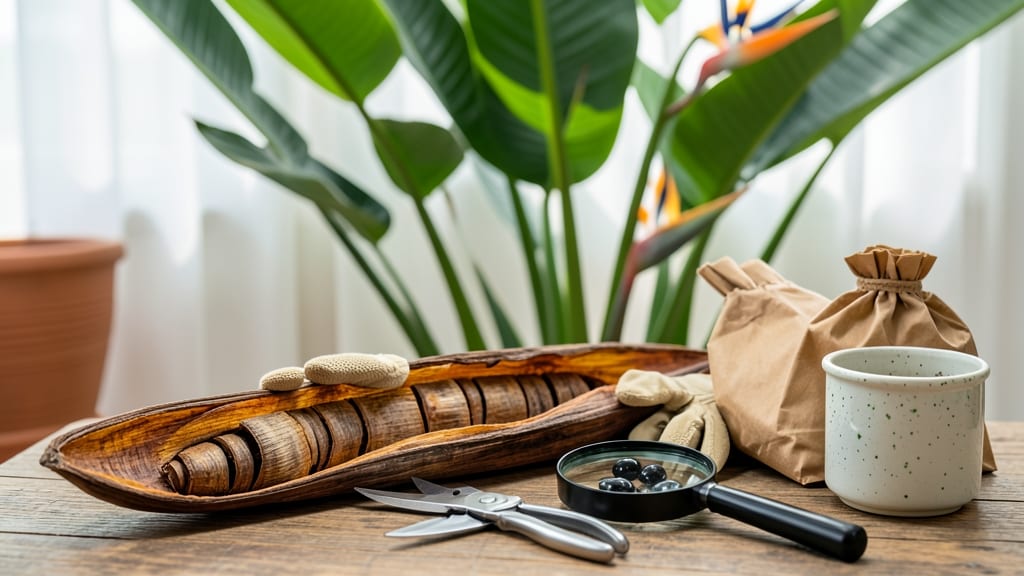
That orange flame of a bird of paradise seed pod is nature’s way of saying, "Let’s grow something extraordinary." 🌺 I’ve cracked the code on germinating these tropical beauties in just 21 days—no fancy greenhouse needed. The trick?
Mimicking their native humidity and warmth while avoiding the two biggest pitfalls: moldy seeds and impatient gardeners. You’ll need well-draining soil mix, a clear plastic bag (for humidity), and a warm spot—think 70-75°F—to coax those seeds awake. Most people rush the process, but patience here pays off.
The pods themselves are the drama: harvest them when they turn from green to that fiery orange, then split them open to reveal the plump, dark seeds inside. By day 21, you’ll see tiny sprouts unfurling, their first leaves already hinting at the bold foliage to come.
The real magic happens when you transplant them—suddenly, your yard isn’t just a lawn, it’s a tropical escape. Just watch for mold (too much moisture) and dormancy (too cold), and you’re golden.
This method works for containers or in-ground planting, whether you’re in a warm climate or just dreaming of a slice of paradise. Here’s how to turn those pods into a lush, showstopping reality—no green thumb required.
📚 In This Guide
- What you need
- Instructions
- Tips and common mistakes
- Wrapping up and next steps
What you need
- ● Bird of paradise seed pods: 1–3 fresh, mature pods (harvested from a healthy plant). Pro tip: 🌡️ Store pods in a cool, dry place if not using immediately!
- ● Seeds: Extract 5–10 viable seeds from the pods (each pod typically contains 1–3 seeds).
- ● Well-draining potting mix: 1–2 gallons of a blend designed for tropical plants or cactus/succulents (add perlite or sand for extra drainage).
- ● Planting containers: 2–4 small pots (4–6 inches deep) with drainage holes or a seed tray with cells.
- ● Watering can or spray bottle: For gentle hydration (avoid soaking!).
- ● Clear plastic wrap or humidity dome: To retain moisture during germination.
- ● Grow lights or sunny windowsill: Access to bright, indirect light (6+ hours daily).
- ● Sterilized scissors or knife: For carefully opening seed pods.
- ○ Seed-starting soil: Optional pre-moistened mix for convenience.
- ○ Heating mat (optional): Speeds up germination (70–80°F ideal).
- ● Fertilizer (balanced, low-nitrogen): Diluted to half-strength for seedlings (e.g., 10-10-10).
- ● Humidity tray: Elevates pots above water to maintain moisture without soggy soil.
- ● Label markers: To track planting dates and seedling progress!
Step-by-step instructions for germinating bird of paradise seed pods
Here’s how I’ve cracked the code for fast, reliable germination—no fancy equipment needed.
🌱 Step 1: Extract and Prepare the Seeds
Bird of paradise seed pods are tough—you’ll need to coax those seeds out carefully. Once the pod turns brown and papery, open it with a small knife or your fingers to reveal the large, dark seeds inside. Remove any fibrous material clinging to them, as this can inhibit germination. I like to soak the seeds in warm water for 24 hours before planting; this softens the hard outer shell and jumpstarts the process.
After soaking, drain the water and let the seeds air-dry slightly on a paper towel for about 30 minutes. This prevents them from rotting once planted. The seeds should feel slightly damp but not slick. Here’s the thing—don’t rush this step. Proper prep means the difference between 21 days of growth and weeks of waiting.
💧 Step 2: Plant in a Moist, Well-Draining Mix
Fill a small pot or seed tray with a light, fast-draining mix—I blend 50% potting soil and 50% perlite for optimal airflow. Press the soil down gently but firmly so it’s stable enough to hold the seeds without shifting. Plant each seed ½ inch deep, spacing them 2 inches apart to avoid crowding as they grow. You’ll see why this spacing matters later.
Water the soil thoroughly until it’s moist to the touch but not soggy. The key here is consistency—keep the mix evenly damp but never waterlogged. A spray bottle works best to avoid disturbing the seeds. Place the pot in a warm, humid environment (around 75-80°F) to encourage germination. A clear plastic bag draped over the pot creates a mini greenhouse effect, which speeds things up.
☀️ Step 3: Provide Indirect Light and Patience
Bird of paradise seeds need bright, indirect light to germinate—no direct sun yet. Place the tray near a south-facing window or under a grow light set to 12 hours of light daily. You’ll notice the soil surface dry out faster under light, so check it daily. Water again when the top ¼ inch feels dry, but avoid overwatering. Too much moisture can lead to rot before the seeds even sprout.
Germination can take 3-6 weeks, but with the right conditions, you’ll see the first green shoots in as little as 21 days. This is where the magic happens—watch for the first true leaves (not the initial seed leaves) to appear. That’s your cue to start adjusting care. Real talk: If nothing happens after 6 weeks, gently check the seeds. They might need a little more warmth or a fresh planting.
🌿 Step 4: Transplant and Encourage Growth
Once seedlings develop 3-4 true leaves and are about 3 inches tall, it’s time to transplant them into 4-inch pots with the same light, well-draining mix. Handle the seedlings carefully—they’re tender but resilient. Water them deeply after transplanting to help them settle into their new home. Place them in a bright spot (still indirect light) and gradually introduce direct morning sun over the next week.
Fertilize lightly with a balanced liquid fertilizer (like 10-10-10) diluted to half strength once a month. You’ll see the difference in growth within a few weeks. By 6 months, your seedlings should be sturdy enough to handle outdoor conditions—if you’re in a USDA Zone 10-11. For cooler climates, keep them indoors until spring. Here’s the thing: Patience pays off. These tropical beauties grow fast once they get their footing.
Tips & tricks for germinating bird of paradise seed pods
These pro-level insights will help you skip the trial-and-error and get those tropical beauties sprouting like clockwork.
Soaking Strategy: The 24-hour warm water soak is non-negotiable for these tough seeds. Use filtered water to avoid chlorine or chemical buildup that could inhibit germination. I like to add a drop of mild dish soap to the water—it helps break down the seed coat without harming the seed. After soaking, give them that 30-minute air-dry on paper towels. This step prevents those seeds from turning to mush once planted, which is how you end up with rot instead of roots.
Mix Mastery: That 50-50 potting soil and perlite blend is your secret weapon. The perlite creates perfect air pockets that prevent compaction, while the potting soil provides just enough nutrients to kickstart growth. Pro tip: Sterilize your mix first by baking it at 200°F for 30 minutes if you're concerned about pathogens. I also like to add a thin layer of horticultural charcoal on top of the soil—it helps prevent fungal issues while keeping moisture levels just right.
Lighting Logic: Those 12 hours of daily light are crucial, but placement matters more than you think. South-facing windows work best, but if you're using grow lights, position them 6-8 inches above the seedlings. I've found that LED grow lights with a full spectrum (red and blue) give the fastest results. Watch for the soil drying out faster under lights—this is your cue to check moisture daily. The top ¼ inch should feel dry before watering again, but never let it get completely bone-dry.
Transplant Timing: Waiting for those 3-4 true leaves before transplanting is critical—it gives the seedlings enough energy reserves to handle the shock. When you do transplant, water deeply before and after to reduce stress. I like to use a small hand trowel to create planting holes just slightly larger than the root ball, then firm the soil gently around the base. This prevents air pockets that could cause the seedling to topple over.
Pro Tips for Bird Of Paradise Seed Pod
- These pro-level insights will help you skip the trial-and-error and get those tropical beauties sprouting like clockw...
- Soaking Strategy: The 24-hour warm water soak is non-negotiable for these tough seeds. Use filtered water to avoid ch...
- Mix Mastery: That 50-50 potting soil and perlite blend is your secret weapon. The perlite creates perfect air pockets...
Frequently asked questions
Got questions about growing bird of paradise seed pods? You’re not alone! Here are some of the most common queries—and their quick, no-nonsense answers to help you nail that tropical lawn transformation in just 21 days.
How do I know when my bird of paradise seed pod is ready to harvest?
The pods turn brown and papery when ripe—like a dried-up balloon. Gently squeeze it: if the seeds rattle inside, it’s ready! Harvest them early morning for the best moisture retention. Pro tip: Wear gloves—these pods pack a mild irritant that can tickle your skin!
Can I speed up germination beyond 21 days?
While 21 days is the magic window for most pods, you can nudge sprouts along with a warmth hack: Place your planted pods on a seedling heat mat (set to 75–85°F) or near a sunny window. Keep soil moist but not soggy—think damp sponge, not swamp. Patience pays off, but a little warmth works wonders!
What if my seed pods aren’t opening naturally? Do I force them?
No forcing! If pods stay green or sealed, they’re not ready. Let nature take its course—patience is key. For stubborn pods, try soaking them in warm water for 24 hours to soften the husk, then gently pry open with a butter knife. Warning: Avoid cutting into the pod—you’ll damage the seeds inside.
Are there alternatives if I can’t find bird of paradise seed pods?
Try these tropical lawn stand-ins:
- Dwarf Bird of Paradise (Caesalpinia pulcherrima)
- Muhly Grass (Muhlenbergia capillaris)
- Mexican Feather Grass (Nassella tenuissima)
- Lemon Buttonwood (Conocarpus erectus)
Why are my sprouted seeds turning yellow and dying?
Yellowing seedlings usually mean overwatering or fungus. Let the top inch of soil dry between waterings, and avoid crowding them—give each sprout 1–2 inches of space. If mold appears, dust with cinnamon (a natural antifungal) or treat with neem oil. Pro tip: Use sterilized soil (bake it at 200°F for 30 mins) to prevent disease!
Wrapping up and next steps
Growing a bird of paradise seed pod into a stunning tropical lawn feature is totally doable—even in just 21 days!
With the right mix of patience, warmth, and a dash of creativity, you’ll soon be flaunting lush, exotic greenery that turns heads. Don’t let hesitation hold you back—your future tropical oasis is just a seed away!
Ready to take the next step? Grab those pods, prep your soil, and dive in! 🌱✨ For extra inspiration, check out our tropical landscaping guide to pair your bird of paradise with complementary plants and create a showstopping yard.