
Size
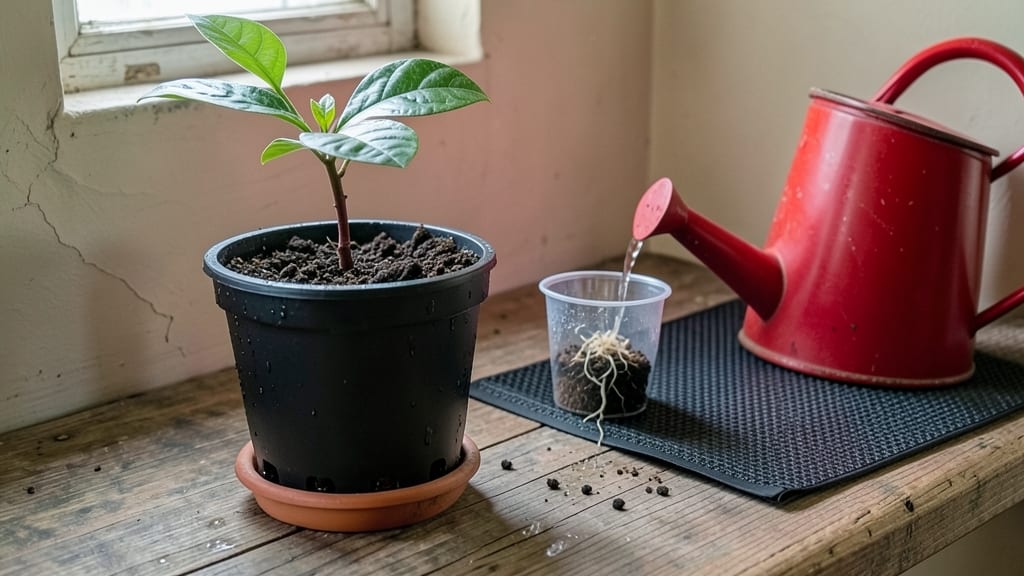
Growing a garden from a mango seed turns your kitchen into a nursery for tropical dreams. 🌱 I've watched my first seedling stretch from a toothpick-thin sprout to a 3-foot sapling in just two years—and yes, it actually produces fruit, though it takes patience (and a warm climate).
The process isn't about instant harvests but about nurturing a living piece of the tropics you can call your own.
You'll need just three things to start: a ripe mango (save the seed), a small pot with drainage, and a sunny windowsill or greenhouse. The real magic happens in the soil—a mix of potting soil and perlite keeps roots happy while they grow.
Most people rush germination by overwatering, but mango seeds need barely damp soil to sprout. Be prepared for a wait: some seeds take 2-4 weeks to crack open, while others never do.
By year three, you'll have a sturdy sapling with glossy leaves that could outshine your houseplants. With proper care—warmth, bright light, and occasional fertilization—it might even flower. The first fruit could take 5-10 years, but the journey is what makes it rewarding.
Imagine sipping a mango from a tree you grew yourself, even if it's just in a pot on your patio.
This works best in zones 10-11, but container gardeners in cooler climates can overwinter their trees indoors. The key is never letting the soil dry out completely and providing 6+ hours of sunlight daily.
Pests are rare, but watch for aphids on new growth. With each passing season, your little mango becomes a living testament to what's possible with just one seed.
📚 In This Guide
- What you need
- Instructions
- Tips and common mistakes
- Wrapping up and next steps
What you need
- ● Mango seed: 1 fresh, plump seed (preferably from a ripe, organic mango—avoid hybrid varieties if you want true-to-type fruit later).
- ● Small pots or containers: 2-3 (4–6 inches in diameter) with drainage holes. Tip: Plastic or biodegradable pots work well!
- ● Well-draining potting mix: 1 bag (look for a blend labeled for seedlings or tropical plants). Avoid heavy garden soil.
- ● Watering can or spray bottle: 1 (for gentle hydration—no drowning seeds!).
- ● Clear plastic wrap or humidity dome: 1 sheet (to create a mini greenhouse effect).
- ● Grow lights or sunny windowsill: Access to indirect sunlight (6+ hours daily) or a small LED grow light.
- ○ Fertilizer (optional but helpful): A balanced, water-soluble fertilizer (e.g., 10-10-10) for later stages.
- ● Seedling heat mat: 1 (speeds up germination if your home is chilly).
- ● Larger nursery pot: 1 (for transplanting when roots outgrow the starter pots).
- ● Mulch or coconut coir: To retain moisture in the soil.
- ● Pruning shears: Small pair (for shaping the tree as it grows).
- ● pH testing kit: To monitor soil acidity (ideal range: 5.5–6.5 for mangoes).
- ● Notebook or app: To track growth milestones (because every leaf is a victory!).
Step-by-step instructions for growing a mango tree from seed
Here's how to turn that grocery store pit into a thriving tropical tree—with patience as your best tool.
🌱 Step 1: Prepare and Plant the Seed
Start by cleaning the mango seed thoroughly under warm water to remove any remaining fruit residue. I like to soak it for about 24 hours in a glass of water to soften the outer shell—this helps speed up germination. After soaking, place the seed between two damp paper towels inside a plastic bag and seal it loosely. Keep it in a warm spot, like on top of your fridge, where it stays around 70-80°F.
Check the seed every few days, misting the towels if they feel dry. You'll see the first signs of sprouting in about 2-4 weeks—look for a tiny white root pushing through the paper. Once the root reaches about 1 inch, it's ready for planting. I plant mine in a small pot filled with a mix of 50% potting soil and 50% perlite to keep it light and airy, which prevents rot.
🪴 Step 2: Transplant and Provide Warmth
When the seedling has a 2-inch stem and a few small leaves, it's time to move it to a slightly larger pot—about 4-6 inches wide. Use the same soil mix to avoid shocking the roots. I like to bury the stem about ½ inch deeper than it was before to encourage a stronger root system. Water it gently until you see moisture seeping from the drainage holes, but avoid soggy soil.
Place the pot in a spot with bright, indirect light—like a south-facing window with sheer curtains. Mango seedlings love warmth, so keep it away from drafts or cold windows. If your home runs cooler than 65°F, consider using a small heat mat underneath the pot. You'll notice new leaves forming within a few weeks, signaling healthy growth.
☀️ Step 3: Gradually Acclimate to Sunlight
After about 4-6 weeks, when the seedling has a few sets of true leaves (not the initial seed leaves), it's ready for more direct sunlight. Start by moving it outside to a shaded area for a few hours a day. I gradually increase the time outside over 2 weeks, moving it to sunnier spots each day. This slow transition prevents leaf scorch, which can happen if you expose it too quickly to full sun.
Once the seedling tolerates 6+ hours of direct sunlight daily, you can leave it outside full-time. Watch for signs of stress like yellowing leaves or wilting—these are your cues to adjust its light exposure. During this phase, water the seedling when the top 1 inch of soil feels dry. Overwatering is the biggest mistake here, as mango seedlings are prone to root rot.
✂️ Step 4: Prune and Repot for Growth
When your mango seedling reaches about 12-18 inches tall, it's time to prune and repot. Use clean, sharp scissors to trim any leggy or weak stems back to a strong leaf node. This encourages bushier growth and prevents the tree from becoming top-heavy. After pruning, repot the seedling into a 1-gallon container with fresh potting mix. I add a slow-release fertilizer to give it a nutrient boost for the next growing phase.
Continue to water deeply but allow the top 2 inches of soil to dry out between waterings. Mango trees are drought-tolerant once established, but seedlings need consistent moisture. Place the pot in a sunny spot, and you'll see rapid growth in the coming months. If you notice the leaves curling or turning brown, it’s a sign the air is too dry—consider misting the leaves or placing a humidity tray nearby.
Tips & tricks for growing a mango tree from seed
Here's what nobody tells you about turning that grocery store pit into a thriving tropical tree.
Germination Timing: The 24-hour soak is key—it softens the tough outer shell and kickstarts the germination process. I've found that placing the seed in a warm spot like on top of the fridge (around 70-80°F) creates the perfect environment. If your kitchen stays cooler, you might see sprouting take that full 2-4 week window, but don't rush it—gentle warmth is what triggers those first roots.
Soil Mix Secret: That 50% potting soil and 50% perlite combination isn't just random—it's about aeration. Mango seeds hate soggy conditions, and this mix prevents rot while still holding enough moisture. Pro tip: After planting, press down lightly on the soil around the seed to create good seed-to-soil contact, which helps roots establish faster.
Light Transition: The gradual 2-week acclimation to sunlight is where most people fail. Start with just 2-3 hours of shade and slowly increase exposure. I've seen seedlings get sunburned when moved too quickly—look for leaves that start yellowing or curling as your warning sign. Once it handles 6+ hours of direct sun, you've got a survivor on your hands!
Pruning Insight: When you reach the 12-18 inch pruning stage, focus on removing stems that grow at sharp angles from the main trunk. These "weak" stems won't support much foliage and can become disease entry points. Always cut just above a leaf node where new growth can emerge—this encourages bushier, stronger growth patterns.
Pro Tips for Mango Seed Grow A Garden
- Here's what nobody tells you about turning that grocery store pit into a thriving tropical tree.
- Germination Timing: The 24-hour soak is key—it softens the tough outer shell and kickstarts the germination process.
- Soil Mix Secret: That 50% potting soil and 50% perlite combination isn't just random—it's about aeration.
Frequently asked questions
Got questions about growing a mango tree from seed? You’re not alone! Here are some of the most common queries—and their answers—to help you succeed with your tropical garden project.
How long does it take for a mango seed to sprout?
A mango seed typically sprouts within 2–4 weeks if kept warm (70–85°F) and moist. Patience is key—some seeds take up to 6 weeks! Keep the soil consistently damp (not soggy) and place the pot in a bright, indirect-light spot. If nothing happens after 6 weeks, the seed may not be viable.
What’s the best way to speed up germination?
Try the paper towel method first: wrap the seed in a damp paper towel, seal it in a plastic bag, and place it near a sunny window or under a grow light. Check daily for moisture—sprouting usually happens within 1–3 weeks. Once roots appear (about ½ inch long), plant it in soil. Pro tip: Warmth accelerates growth, so a heating mat or sunny windowsill helps!
When can I transplant my mango seedling outdoors?
Wait until the seedling is at least 6–12 inches tall with a sturdy stem and after the last frost in your area. Mango trees thrive in warm climates (USDA zones 10–11), but young plants can survive cooler temps if protected. Harden off seedlings gradually by exposing them to outdoor conditions for a few hours daily before permanent transplanting.
Will my mango tree from seed produce fruit?
Most likely, no—but it’s not impossible! Seed-grown mango trees are not grafted, so they may take 5–15 years to bear fruit (if they do at all). The fruit may also be small, seedy, or different from the parent tree. For reliable fruit, consider grafting a known variety onto your seedling later. Patience and luck play a big role here!
What should I do if my seedling turns yellow or wilts?
Yellowing leaves or wilting often signals overwatering, underwatering, or pests. Check the soil moisture—it should be damp but not waterlogged. If roots look mushy or black, repot in fresh, well-draining soil. For pests (like spider mites), wipe leaves with soapy water or use neem oil. Pro tip: Ensure pots have drainage holes to prevent root rot!
Can I grow a mango tree indoors?
Yes, but with limitations! Mango trees need lots of sunlight (6+ hours daily), so place them near a south-facing window or under grow lights. They can grow indoors for years but may stay small and produce little to no fruit. If you live in a cold climate, keep the plant indoors during winter and move it outside in summer for optimal growth.
Wrapping up and next steps
Growing a mango tree from seed is a rewarding journey that turns your kitchen scraps into a tropical promise! With patience and care, you’ll nurture a plant that could one day gift you with sweet, juicy fruit—right from your own backyard. 🌱✨
Ready to take the next step? Start by planting your seed today and watch your garden grow—literally and figuratively. Who knows? You might just cultivate more than a tree; you could spark a lifelong love for gardening!