
Planting
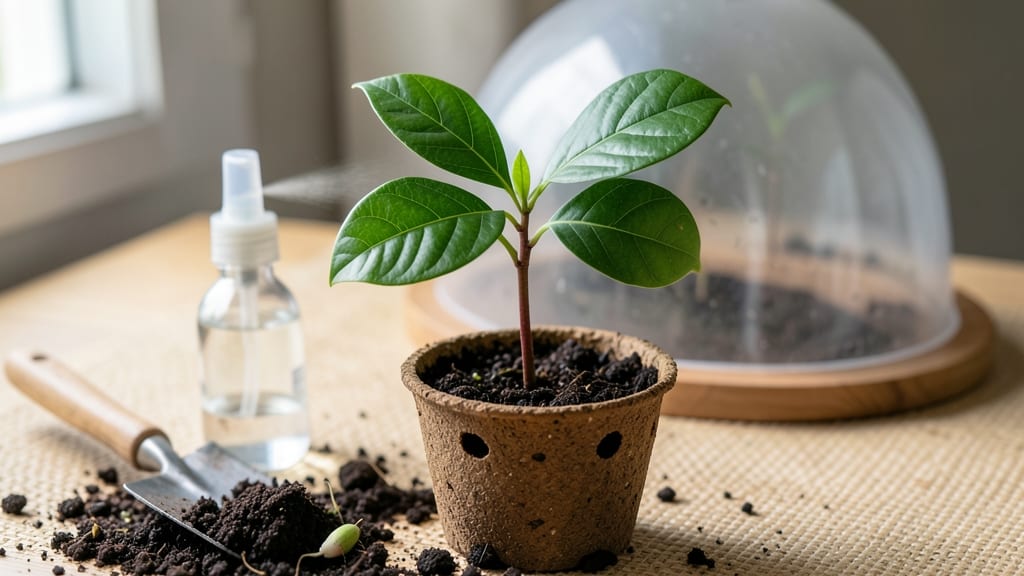
Planting a mango seed in soil is the first step toward growing your own tropical tree—though it’ll take years before you taste fruit. 🌱 I’ve watched seeds sprout into 10-foot saplings, and the patience pays off with that first real leaf.
The secret isn’t forcing speed; it’s creating the right conditions for nature to take over.
Start with a clean seed (no dried husk) and a pot at least 6 inches deep. Fill it with a mix of potting soil and perlite to keep moisture balanced—mango seeds rot faster than they sprout if kept too wet.
Plant the seed flat-side down, about 1 inch deep, and keep it in bright, indirect light. Germination can take 2-4 weeks, sometimes longer, so don’t give up if nothing happens right away.
Once the sprout breaks the surface, move it to a sunny spot (6+ hours of light daily) and water when the top inch of soil feels dry. The first leaves will be jagged, but within months, you’ll see smooth, glossy foliage that smells like a real mango grove.
This is where the magic happens—your tree is officially on its way.
Troubleshooting slow starts? Try a humidity dome (plastic wrap over the pot) or a heat mat if your home stays cool. Remember, fruit won’t appear for 3-5 years, but the journey—watching it grow from a seed to a tree—is worth every wait.
Here’s how to keep it thriving through those early stages.
📚 In This Guide
- What you need
- Instructions
- Tips and common mistakes
- Wrapping up and next steps
What you need
- ● Mango seed: 1 fresh, viable seed (preferably from a ripe, organic mango—avoid hybrid varieties if you want true-to-type fruit).
- ● Potting soil: 2–3 cups of well-draining, sterile seed-starting mix (or a blend of 50% peat moss and 50% perlite/vermiculite). Pro tip: Avoid garden soil—it can harbor pests or diseases! 🌡️
- ● Small pot or container: 1–2 plastic nursery pots (4–6 inches in diameter) with drainage holes, or a seed tray with individual cells.
- ● Watering can or spray bottle: With a fine mist setting to keep soil moist without oversaturating.
- ● Plastic wrap or humidity dome: To create a mini greenhouse effect (e.g., a clear plastic bag with holes or a store-bought propagation lid).
- ● Scissors or knife: For trimming the seed (if needed) or cutting plastic wrap.
- ● Label and marker: To track planting dates and seed varieties (trust us, it helps!).
- ● Grow lights or sunny windowsill: A full-spectrum LED grow light (12–16 hours/day) if natural light is limited.
- ● Fertilizer: A balanced, water-soluble fertilizer (5-5-5 or 10-10-10) for seedlings once they sprout true leaves.
- ● Heat mat: A seedling heat mat (70–80°F) to speed up germination in cooler climates.
- ● Larger pot (6–12 inches): For transplanting once the seedling grows 2–3 inches tall.
- ● Mulch or coconut coir: To retain moisture around the seedling after germination.
Step-by-Step guide to germinating mango seeds in soil
Here's how to turn that grocery store mango pit into a thriving seedling—no fancy tools needed.
🌱 Step 1: Extract and Prepare the Seed
Remove the seed from the mango pit by carefully prying open the hard outer shell with a butter knife. You'll find the actual seed inside, surrounded by a white, fibrous coating. Rinse it under running water to remove any remaining fruit pulp, then let it air-dry completely for 24 hours—this prevents mold from forming later.
While drying, inspect the seed for cracks or soft spots. A healthy seed should feel firm and smooth. If you see any damage, skip it—only use whole, unblemished seeds for best results. Here's the thing: mango seeds have a hard outer shell that needs to soften before they'll germinate, so don't rush this step.
💧 Step 2: Soak the Seed to Softened the Shell
Fill a small container with lukewarm water and place the seed inside. Let it soak for 3-5 days, changing the water daily. You'll know it's ready when the outer shell cracks open slightly—this signals the seed's protective layer has softened enough for roots to emerge.
Don't let the seed dry out during soaking. Keep the water level just high enough to cover the seed completely. I like to use a clear glass so I can watch the seed's progress. After 3 days, gently press the seed—if it gives slightly, it's ready for planting. If not, give it one more day.
☀️ Step 3: Plant the Seed in Moist Soil
Fill a small pot (about 4-6 inches deep) with well-draining potting mix. Press the seed into the soil with the cracked side facing down, burying it 1 inch deep. Water gently until the soil feels evenly moist but not soggy—you want it damp enough to support root growth but not waterlogged.
Place the pot in a warm, sunny spot where temperatures stay between 70-85°F. A south-facing windowsill works well, but avoid direct afternoon sun, which can overheat the soil. You'll see the first signs of germination in 2-4 weeks, when a small sprout pushes through the soil.
🌿 Step 4: Provide Consistent Care for Seedling Growth
Once the sprout emerges, move the pot to a location with bright, indirect light to prevent the seedling from stretching too tall. Water the soil when the top ½ inch feels dry, keeping it consistently moist but never waterlogged. Overwatering at this stage can cause the seedling to rot before it gets established.
After 4-6 weeks, when the seedling reaches about 6 inches tall, it's time to transplant it into a larger container. Mango seedlings grow quickly, so give it room to develop. Watch for the first true leaves—these are the second set of leaves that appear after the initial seed leaves. This is your signal that the seedling is strong enough for a bigger pot.
⏰ Step 5: Transition to Outdoor Conditions
When nighttime temperatures stay above 55°F consistently, it's safe to move the seedling outdoors. Start by placing it in a shaded area for 2-3 hours the first day, then gradually increase its time outside over 1-2 weeks. This process, called hardening off, helps the seedling adjust to outdoor conditions without shock.
Once the seedling is fully hardened off, choose a permanent spot with full sun and well-draining soil. Mango trees thrive in warm climates, so if you live in a cooler zone, keep it in a container and bring it indoors during winter. Remember, mango trees grown from seed may take 5-10 years to bear fruit, but the journey is worth it.
Tips & tricks for perfect mango seed germination
Turning that mango pit into a thriving plant takes patience—but these little tricks make all the difference.
The Drying Factor: That 24-hour drying period in Step 1 isn't just about preventing mold. It also helps the seed's natural oils redistribute, which kickstarts the germination process. Place your seed on a paper towel in a single layer—this ensures air circulates on all sides for even drying. If you're short on time, a warm spot (like on top of the fridge) can speed up the process slightly, but don't exceed 24 hours or the seed may dry out too much.
Soaking Strategy: The 3-5 day soaking window in Step 2 is your best chance to see the seed's transformation. Use lukewarm water because cold water can shock the seed while hot water might cook it. I've found that changing the water daily isn't just about cleanliness—it prevents bacterial buildup that could compete with your seed for nutrients. Pro tip: If you notice white fuzz growing on the seed during soaking, that's actually the root starting to emerge! This is a great sign you're on the right track.
Planting Position: When you plant your seed in Step 3, that cracked side facing down isn't just a suggestion—it's critical. The seed's natural growth pattern dictates that the root will emerge from the crack first. If you plant it with the crack facing up, you might delay germination by days or even weeks. Also, don't compact the soil too much around the seed—just press it in gently. You want the soil to feel like a well-wrung sponge: damp but with room for air.
Light Transition: The move from warm, sunny conditions in Step 3 to bright, indirect light in Step 4 is where many seedlings fail. Mango seedlings are particularly sensitive to light shifts. If you notice your sprout stretching upward dramatically (a condition called "leggy"), it's getting too much direct light. A north-facing window or a spot 2-3 feet from a south-facing window works perfectly. The goal is to encourage sturdy growth, not rapid (but weak) elongation.
Pro Tips for Plant Mango Seed In Soil
- Turning that mango pit into a thriving plant takes patience—but these little tricks make all the difference.
- The Drying Factor: That 24-hour drying period in Step 1 isn't just about preventing mold.
- Soaking Strategy: The 3-5 day soaking window in Step 2 is your best chance to see the seed's transformation.
Frequently asked questions
Got questions about growing mango trees from seeds? Here are answers to common concerns to help you succeed!
How long does it take for a mango seed to germinate?
A mango seed typically takes 2–4 weeks to sprout indoors, depending on warmth and moisture. In soil, germination can take 3–8 weeks—patience is key! Keep the soil consistently damp (not soggy) and place the pot in a warm, sunny spot to speed up the process.
Can I plant a mango seed directly in the ground?
While possible, direct outdoor planting is risky unless you live in a tropical climate. Seeds are delicate and may rot or fail to sprout in cold or dry soil. Start indoors in pots for 6–12 months to harden the seedling before transplanting. Wait until spring or summer when temperatures are consistently above 60°F (15°C).
Why isn’t my mango seed sprouting?
Common reasons include:
- Cold soil: Mango seeds need warmth (ideally 70–85°F / 21–29°C) to germinate.
- Dry soil: Keep the soil moist but not waterlogged—use a spray bottle to avoid overwatering.
- Old or damaged seed: Use fresh, plump seeds from ripe mangoes.
- Low humidity: Cover the pot with plastic wrap or a humidity dome to retain moisture.
Will a mango tree grown from seed produce fruit?
Yes, but it may take 5–10 years (or longer!) and the fruit won’t match the parent tree’s quality. Seedlings are unpredictable—fruit size, taste, and ripening time can vary. For reliable fruit, consider grafting later or buying a nursery-grown sapling.
What’s the best temperature for growing mango seeds?
Mango seeds thrive in warmth:
- Germination: 70–85°F (21–29°C) (use a heat mat if needed).
- Seedling stage: Keep above 55°F (13°C)—avoid frost!
- Outdoor transplanting: Wait until soil is at least 60°F (15°C).
Bonus Tip: Can I grow a mango tree from a store-bought mango?
Just ensure the mango is ripe and organic (non-GMO, if possible). Avoid seeds from irradiated or treated fruit (common in stores), as they may not sprout. Choose a plump, undamaged seed for the best chance of success.
Wrapping up and next steps
Planting a mango seed is a rewarding journey that connects you to nature’s sweetest surprises! 🌱 By following these steps—from selecting the right seed to nurturing your sapling—you’ve taken the first steps toward growing your own tropical treasure. Patience is key: it may take months or even years for your mango tree to bear fruit, but the process is just as magical as the reward.
Now that you’re ready to get your hands dirty, why not share your progress? Snap photos of your seedling’s growth, track milestones, and even experiment with different soil mixes or sunlight spots. Happy planting—and may your mango dreams take root! 🌿✨