
Propagation
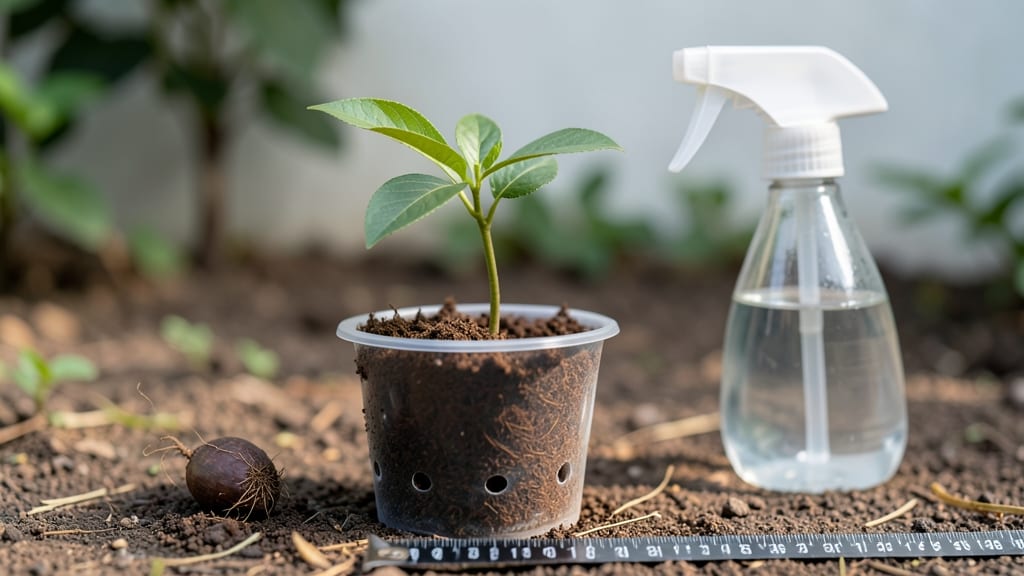
Your mango seed germination time could be as short as 20 days—if you nail the warmth and moisture. 🌱 I’ve watched seeds crack open like tiny green fireworks after just three weeks, but patience is key when dealing with tropical seeds that demand the right conditions.
The secret isn’t magic—it’s recreating the warm, humid climate where mango trees thrive naturally.
You’ll need a small pot, some potting mix, and a way to keep things consistently warm (think 75–85°F). Most people overthink this—just plant the seed with the flat side down, cover it lightly, and keep the soil damp but not soggy.
The real battle isn’t getting it to sprout; it’s keeping it alive long enough to see those first leaves.
Once that radicle (the first root) appears, you’re in the home stretch. Within 40 days, you could be transplanting a sturdy seedling ready for its forever home. The smell of fresh soil and the sight of that first true leaf? That’s the moment gardening gets addictive.
This method works year-round with a heat mat, but summer’s natural warmth makes it foolproof. Even if your first attempt takes longer, don’t quit—mango seeds are stubborn, but they reward persistence.
📚 In This Guide
- What you need
- Instructions
- Tips and common mistakes
- Wrapping up and next steps
What you need
- ● Fresh mango seeds (1–3 seeds per attempt; pick plump, undamaged seeds for best results)
- ● Well-draining potting mix (1–2 gallons; use a blend of peat moss, perlite, and coconut coir for aeration)
- ● Small pots or seed trays (3–4 inches deep; ensure drainage holes are present)
- ● Spray bottle (for gentle watering; avoid over-saturating the soil)
- ● Clear plastic wrap or humidity dome (to retain moisture during germination)
- ○ Heat source (optional but helpful; a seedling heat mat (70–90°F) speeds up germination)
- ● Scissors or knife (to carefully slice open the seed coat if needed)
- ● Fertilizer (balanced, 10-10-10 or organic) (start using after sprouting at half-strength)
- ● Grow lights or sunny windowsill (12+ hours of light daily; south-facing windows work best)
- ● Label markers (to track planting dates and varieties)
- ● Larger pots (6–8 inches) (for transplanting once sprouts are 4–6 inches tall)
How to germinate mango seeds in 20-40 days
Warmth is the secret weapon for breaking mango seed dormancy. Here's how to coax those stubborn sprouts into life.
🌱 Step 1: Extract and Prepare the Seed
Start with a fresh mango seed—older seeds germinate more slowly. Cut open the pit with a sharp knife, removing all the fibrous flesh inside. Rinse the seed under running water to remove any remaining pulp, then let it dry completely for 24 hours. This prevents mold from forming during germination.
Here's the thing—mango seeds have a hard outer shell that needs to soften before sprouting. After drying, place the seed in a ziplock bag with a damp paper towel. Seal it and leave it in a warm spot (75-85°F) for 7-10 days. Check daily and mist the towel if it dries out. You'll know it's ready when the seed feels slightly soft when pressed.
💧 Step 2: Plant the Soaked Seed
Fill a small pot (4-6 inches deep) with well-draining potting mix—I like a blend of equal parts peat moss, perlite, and vermiculite. Moisten it until damp but not soggy. Make a hole about 1 inch deep and place the softened seed inside, pointy end up. Cover it lightly with soil, pressing down gently to secure it.
Water the pot until moisture seeps from the drainage hole, then place it in a warm, dark spot like a closet or under the sink. Keep the soil consistently moist—not wet, not dry. You'll see condensation on the pot's sides, which is normal. This warmth and moisture combo tricks the seed into thinking spring has arrived.
☀️ Step 3: Wait and Watch for Sprouts
Germination can take 20-40 days, depending on warmth and seed freshness. The first sign is a tiny white root pushing through the soil—this happens 7-14 days before the shoot appears. Once you spot the root, move the pot to bright, indirect light (no direct sun yet).
When the shoot finally breaks through the soil (first true leaves), that's your cue to give it 4-6 hours of morning sunlight daily. You'll notice the seedling grow fast once it gets light—watch for yellowing leaves, which means it needs more warmth or light. Keep the soil moist but not waterlogged; overwatering causes rot in tender sprouts.
🌿 Step 4: Transplant and Care for Young Seedlings
After 4-6 weeks, when the seedling has 3-4 true leaves and is 6 inches tall, it's time to transplant. Choose a 6-inch pot with drainage holes and fill it with fresh potting mix. Dig a hole twice as wide as the seedling's root ball, place it in, and firm the soil around it. Water deeply to settle the roots.
Now, gradually introduce it to full sun over 7-10 days—start with 2 hours daily and increase by 1 hour every 2 days. This hardening-off process prevents shock. You'll see stronger growth once it adjusts. Fertilize lightly with a balanced liquid fertilizer (10-10-10) diluted to half strength every 4 weeks to encourage healthy development.
Tips & tricks for perfect mango seed germination
These simple tricks will help you coax those stubborn mango seeds into sprouting faster and stronger.
Seed Selection: Always choose seeds from fully ripe mangoes—they contain more energy for germination. I've found that seeds from organic mangoes germinate slightly faster, likely because they're less stressed from pesticides. Store-bought seeds often work fine, but if you're having trouble, try a different fruit.
Warmth is Key: The 75-85°F range during the 7-10 day soaking period is critical. If your home runs cooler, place the ziplock bag near a sunny window or on top of your refrigerator. I've even used a seedling heat mat set to low heat for stubborn seeds—just be careful not to overheat, as temperatures above 90°F can damage the seed.
Moisture Management: During the germination process, the soil should feel like a wrung-out sponge—damp but not soggy. I've learned the hard way that overwatering causes mold, while underwatering stalls growth. A spray bottle helps maintain consistent moisture without drowning the seed. Watch for condensation on the pot's sides—this is a good sign your seedling is thriving.
Light Transition: When you first spot that tiny white root after 7-14 days, resist the urge to move it to sunlight immediately. The delicate root system needs time to establish before getting light exposure. Start with bright, indirect light and gradually increase to 4-6 hours of morning sun over several days—this prevents shock and encourages steady growth.
Pro Tips for Mango Seed Germination Time
- These simple tricks will help you coax those stubborn mango seeds into sprouting faster and stronger.
- Seed Selection: Always choose seeds from fully ripe mangoes—they contain more energy for germination.
- Warmth is Key: The 75-85°F range during the 7-10 day soaking period is critical.
Frequently asked questions
Got questions about growing mango trees from seeds? Here are some of the most common ones—and their answers—to help you get started with confidence!
How long does it really take for a mango seed to sprout?
A mango seed typically germinates in 20–40 days under ideal conditions (warmth, moisture, and oxygen). However, some seeds may take up to 60 days or longer, especially if the fruit wasn’t fully ripe when harvested. Patience is key—consistent warmth (70–85°F) speeds up the process!
What if my mango seed isn’t sprouting after 30 days?
Don’t panic! If your seed hasn’t sprouted yet, check for these common issues:
- Lack of warmth: Move it to a warmer spot (like near a sunny window or a heat mat).
- Too much moisture: Ensure the paper towel or soil stays damp, not soggy.
- Dormancy: Some seeds need a longer "rest" period—try soaking it in water for 24 hours before replanting.
Can I plant a mango seed directly in soil instead of using paper towels?
Yes! While the paper towel method speeds up germination, you can plant the seed directly in well-draining potting mix (like cactus/succulent soil). Dig a small hole (1–2 inches deep), place the seed with the pointed end down, cover lightly, and keep the soil moist. Just be prepared for a slightly longer wait (30–60 days).
Does sunlight help mango seeds germinate faster?
Not directly—warmth (not sunlight) triggers germination. However, once the seed sprouts, place it near bright, indirect light to encourage healthy growth. Direct sunlight can overheat the seedling. A sunny windowsill or grow light works best after sprouting!
How do I know if my mango seedling is healthy?
A healthy mango seedling should have:
- Two smooth, green leaves (the first leaves are often jagged—this is normal!).
- Firm, white roots (if you gently remove it from the soil).
- No yellowing or wilting (a sign of over/underwatering or disease).
Wrapping up and next steps
Growing a mango tree from seed is a rewarding journey—patience and warmth are your best allies!
With the right conditions, you can expect tiny sprouts to emerge in just 20–40 days, proving that nature’s timing is both predictable and magical. 🌱 Whether you’re a gardening novice or a seasoned green thumb, this process is a fun way to nurture life and watch your efforts bloom.
Ready to turn that seed into a thriving sapling? Start now—gather your supplies, create a cozy germination setup, and soon you’ll be celebrating your first leaves! 🌿