
Lawn
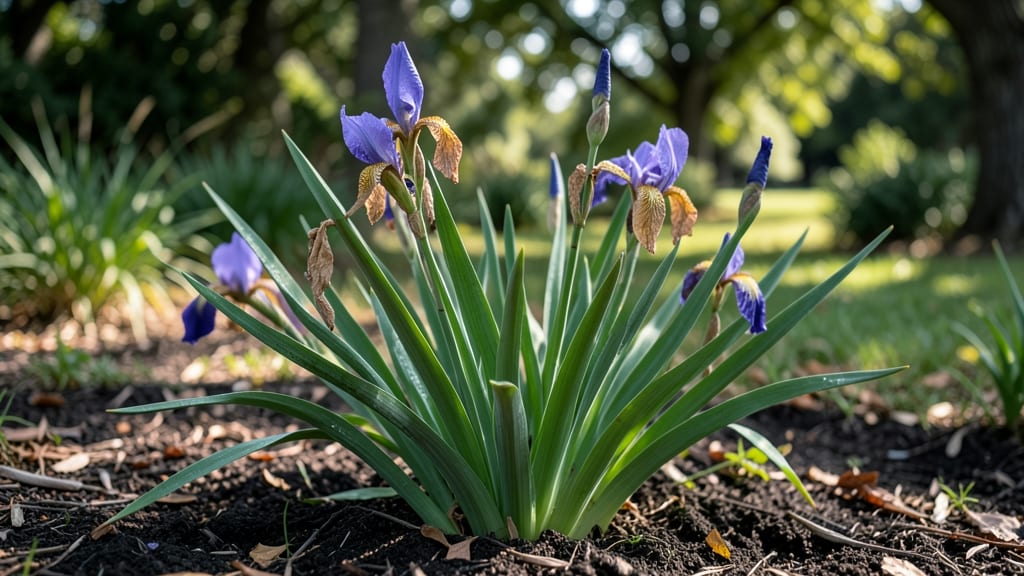
Those plump, papery Louisiana iris seed pods are nature’s way of growing your own swaths of velvety blooms—if you know when and how to harvest them. 🌿 I’ve cracked the code after years of watching my own seed pods shrivel too early or split open at the wrong time, and now I’m sharing the exact timing and techniques that guarantee viable seeds.
The key moment arrives in late summer when pods turn from green to tan and feel slightly crisp when squeezed—this is their prime window. Harvesting too early means immature seeds; waiting too long risks them bursting open and scattering seeds everywhere.
Once harvested, proper drying and cold stratification mimic winter’s natural process, breaking seed dormancy so you can coax those first delicate sprouts in spring. What you’ll end up with are robust iris seedlings that develop the signature Louisiana charm—bold colors, sturdy stems, and that signature swampy resilience.
The payoff comes in 2-3 years when your homegrown irises outperform store-bought plants, thriving in Louisiana’s heat and humidity like they were born there. This method works for any Louisiana iris variety, whether you’re growing in full sun or partial shade.
Here’s how to do it right from start to sprout.
📚 In This Guide
- What you need
- Instructions
- Tips and common mistakes
- Wrapping up and next steps
What you need
- ● Louisiana iris seed pods: Freshly harvested, mature pods (light brown, slightly papery texture). Aim for at least 10-15 pods for a good batch of seeds.
- ● Pruning shears or sharp scissors: For cleanly harvesting pods without damaging the plant.
- ● Brown paper bags or breathable mesh bags: 2-3 bags (12x15 inches each) to collect and store pods during drying.
- ● Newspaper or paper towels: For lining drying trays or surfaces.
- ● Drying rack or wire mesh tray: To elevate pods and promote airflow.
- ● Plastic zip-top bags: 5-6 quart-sized bags for cold stratification storage.
- ○ Moistened peat moss or vermiculite: 1 small container (8x6 inches) for stratification medium (optional but highly recommended).
- ● Refrigerator or cold frame: A space to maintain 35-45°F for stratification (most home fridges work!).
- ● Permanent marker or labels: To mark bags with seed type and date.
- ● Hand lens or magnifying glass: For inspecting seed viability (especially if pods are tiny!).
- ● Humidity tray: To create a controlled drying environment if your space is too damp.
- ● Digital thermometer: To monitor stratification temps if using an outdoor cold frame.
- ● Seed catalog or journal: To track progress and note germination dates.
Step-by-Step guide to processing Louisiana iris seed pods
Here's how to turn those brown seed pods into viable plants through proper drying and cold treatment.
🌱 Step 1: Harvest Mature Seed Pods at the Right Time
Wait until the pods turn completely brown and begin splitting open naturally—this usually happens in late summer or early fall after blooms fade. Harvest by gently twisting the pods from their stems when they're dry to the touch but still intact. Avoid cutting stems, as this can damage the plant's energy reserves.
I collect pods in a paper bag to allow airflow while transporting them indoors. If pods are still green or firm, leave them on the plant—they won't be ready yet. You'll know they're perfect when they rattle slightly when shaken, indicating dried seeds inside.
💧 Step 2: Dry the Pods Thoroughly Before Opening
Spread the harvested pods in a single layer on a mesh screen or paper towels in a warm, dry location with good air circulation. Keep them out of direct sunlight to prevent overheating, which can damage the seeds inside. A well-ventilated room or even a seed drying rack works perfectly.
Turn the pods every few days to ensure even drying. This process takes about 2-3 weeks until the pods feel completely dry and brittle. If you rush this step, you risk mold growth or premature seed germination inside the pods.
✂️ Step 3: Extract and Clean the Seeds
Once fully dry, carefully open each pod by gently squeezing it between your fingers. You'll find small, flat seeds inside that resemble tiny black beans. Place the seeds in a bowl and separate any debris or empty seed casings by hand—these won't germinate.
For extra cleanliness, I like to rinse the seeds in a fine mesh strainer under cool water to remove any dust or remaining pod fragments. Let them dry completely on a paper towel before moving to the next step. This ensures a good start when we begin cold stratification.
⏰ Step 4: Perform Cold Stratification for Germination
Place the cleaned seeds in a sealed plastic bag with a small amount of slightly damp sphagnum moss or paper towels to maintain moisture. Store the bag in your refrigerator's crisper drawer, where temperatures stay consistently between 35-45°F. This mimics winter conditions and breaks seed dormancy.
Check the seeds every 2-4 weeks to ensure they haven't dried out or developed mold. After about 8-12 weeks, remove the bag and plant the seeds in pots filled with moist sandy loam mix (equal parts sand and potting soil). Keep them in a warm location until germination begins.
☀️ Step 5: Plant Stratified Seeds and Care for Sprouts
Sow the seeds about ¼ inch deep in individual pots or a seed tray. Place them in a bright location with indirect light and maintain soil moisture by watering gently from the bottom. Germination typically occurs within 4-8 weeks, though some seeds may take longer.
Once seedlings appear, move them to a spot with bright, filtered sunlight and gradually introduce them to outdoor conditions over 2-3 weeks before transplanting. Louisiana iris seedlings grow slowly, so be patient—they'll reward you with striking blooms in just a few years.
Tips & tricks for perfect Louisiana iris seed pod processing
Here's what I've learned after years of working with Louisiana iris seed pods—these tricks make all the difference between viable seeds and wasted effort.
Harvesting Insight: The 2-3 week drying period in Step 2 is non-negotiable, but you can speed up the process slightly by placing your drying setup in a warm spot (around 70°F) with a small fan circulating air. Just avoid direct heat sources—those can cook the seeds inside before they're ready. I've found that turning pods every other day gives even better results than every few days, especially if you're short on time.
Seed Extraction Technique: When opening pods in Step 3, use a clean, sharp knife to gently slit the toughest pods before squeezing. This prevents accidental seed damage during extraction. For extra cleanliness, I like to place the seeds on a white paper towel after rinsing—the contrast makes it easier to spot any remaining debris or non-viable seeds. This step is where many gardeners lose good seeds to carelessness.
Cold Stratification Wisdom: The 35-45°F temperature range in Step 4 is crucial, but not all refrigerators maintain consistent temps. I recommend placing a thermometer inside your refrigerator's crisper drawer during the stratification period to monitor conditions. If your fridge runs warmer than 45°F, consider using a dedicated seed stratification fridge or even a cool basement area if you're in a mild climate.
Germination Timing: While germination typically occurs within 4-8 weeks in Step 5, some Louisiana iris seeds can take up to 12 weeks to sprout. Don't give up if you don't see immediate results! I've had seeds that took 10 weeks to germinate but grew into healthy plants. Keep the soil consistently moist during this waiting period—never let it dry out completely.
Pro Tips for Louisiana Iris Seed Pods
- Here's what I've learned after years of working with Louisiana iris seed pods—these tricks make all the difference between viable seeds and wasted effort.
- Harvesting Insight: The 2-3 week drying period in Step 2 is non-negotiable, but you can speed up the process slightly by placing your drying setup in a warm spot (around 70°F) with a small fan circulating air.
- Seed Extraction Technique: When opening pods in Step 3, use a clean, sharp knife to gently slit the toughest pods before squeezing.
Frequently asked questions
Got questions about Louisiana iris seed pods? You’re not alone—growing from seed can feel like a puzzle! Here are answers to the most common queries to help you navigate harvesting, drying, and cold stratification like a pro.
When is the best time to harvest Louisiana iris seed pods?
The ideal time to harvest is late summer to early fall (August–October), once the pods turn brown and papery but before they split open on their own. Wait too long, and the seeds may scatter or lose viability. Harvest when pods are dry but still intact—this ensures the best germination rates.
How do I know if my Louisiana iris seed pods are ready for drying?
Ready-to-dry pods should feel lightweight and brittle when gently squeezed. If they crunch or the seeds rattle inside, they’re dry enough! Avoid harvesting if pods are still green or moist—this can lead to mold or rot during drying. Pro tip: Place them in a well-ventilated spot (like a mesh bag) for 1–2 weeks to finish drying naturally.
Can I skip cold stratification for Louisiana iris seeds?
Cold stratification mimics winter and breaks seed dormancy, but Louisiana iris seeds can germinate without it—though success rates drop. If you’re impatient, try soaking seeds in warm water for 24 hours before planting, then keep soil consistently moist. For best results, stratify for 6–8 weeks in a damp paper towel in the fridge.
What’s the best way to store Louisiana iris seed pods long-term?
Store dried pods in a cool, dark, and dry place (like a sealed jar or envelope with a silica packet) to prevent moisture damage. Label them with the harvest date—seeds typically stay viable for 1–2 years. Avoid plastic bags (they trap humidity), and check periodically for pests like weevils. Freezing isn’t necessary but can extend viability if done properly!
Why aren’t my Louisiana iris seeds germinating after stratification?
Several factors could be at play: old seeds, improper drying, or incorrect planting depth (too deep = rot; too shallow = desiccation). Try these fixes:
- Test viability: Cut open a pod—firm, plump seeds are good; shriveled ones are done.
- Adjust moisture: Keep soil consistently damp (not soggy) during germination.
- Use a heat mat (70–75°F) to speed up sprouting.
Wrapping up and next steps
Harvesting, drying, and cold-stratifying Louisiana iris seed pods is a rewarding way to propagate these stunning perennials—whether you're expanding your garden or sharing beauty with fellow plant lovers. 🌱 With patience and the right techniques, you’ll unlock a natural, cost-effective way to grow irises that thrive for years.
Ready to dive in? Start by observing your plants this season and take notes on when pods mature in your climate. Happy gardening!
Pro tip: Document your process—track drying times, stratification success, and germination rates to refine your method over time!