
Vegetables
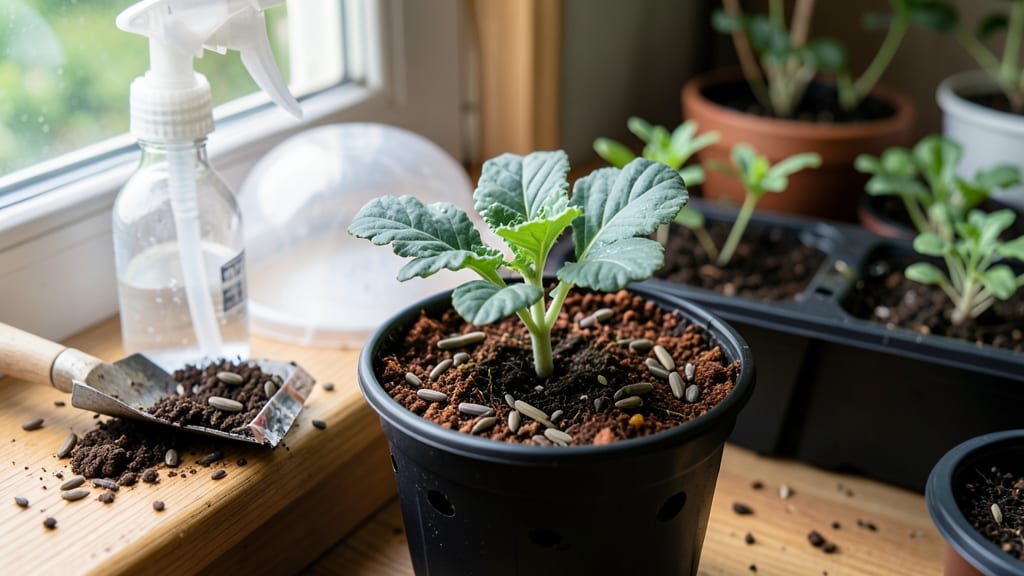
The germination of kale seeds successfully starts with understanding their need for cold stratification—a process that mimics winter conditions to break dormancy and trigger growth.
Struggling with kale seeds that refuse to sprout? Cold stratification—the secret weapon for breaking dormancy—can boost your germination rates from 50% to a stunning 90% with just a few simple tweaks.
Kale thrives in cooler weather, but its seeds often need a little extra help to wake up. Without proper stratification, you might end up with slow or uneven sprouting, leaving you frustrated and wondering what went wrong.
In this guide, I’ll walk you through the exact steps to cold-stratify your kale seeds, from moisture control to temperature management, so you can enjoy a thriving 🥬 harvest in no time.
What is cold stratification and how it works for kale seeds
Cold stratification mimics nature’s winter conditions to break seed dormancy—a natural survival mechanism that keeps seeds from sprouting in harsh climates. For kale seeds, this process is especially critical because they evolved in cool northern climates where warm soil alone won’t trigger germination.
Without stratification, your kale germination rates might languish at 30-50%, but with the right approach, you can push them to 90% success.
At its core, cold stratification works by exposing seeds to consistent cold temperatures (34-40°F) while maintaining controlled moisture levels. This combination tricks the seed into believing winter has passed, prompting it to produce enzymes that break down stored nutrients and kickstart growth.
For kale varieties, this process is particularly effective because their ancestors relied on spring’s chilly soil to signal safe germination.
Here’s the science: Abscisic acid (a natural growth inhibitor) breaks down in cold, moist conditions, while gibberellins (growth hormones) begin production. The balance between these two compounds is what determines whether your seeds will sprout or stay dormant.
For kale seeds, this hormonal shift typically requires 2-4 weeks of cold exposure, depending on the variety and seed age.
The moisture factor is just as critical as temperature. Seeds need enough water to activate enzymes but not so much that they rot or develop fungal growth. Think of it like a damp paper towel—moist enough to keep seeds hydrated but not soggy.
For kale germination, aim for 30-50% moisture content in your stratification medium (like peat moss or a damp paper towel). Too little moisture stalls enzyme activity, while too much drowns the seed.
Not all kale varieties respond identically to stratification. Heirloom varieties, like Winterbor or Lacinato, often require the full 4-week cold treatment because they’ve been bred for hardiness. In contrast, hybrid varieties might only need 2 weeks due to their modern genetic adaptations.
Always check your seed packet for specific recommendations, but err on the side of longer stratification if unsure.
One common misconception is that cold stratification requires freezing temperatures. While below 32°F (0°C) can damage seeds, the ideal range is 34-40°F (1-4°C). This mimics early spring conditions when soil warms just enough to signal germination.
If your seeds experience temperatures below 32°F for extended periods, their cell membranes can rupture, killing the embryo inside. Use a refrigerator (not the freezer) set to its coldest setting to maintain the perfect range.
The transition phase after stratification is equally important. Once your kale seeds complete their cold treatment, they need warmth (65-75°F) and light to continue germinating. Without this shift, seeds may sprout weakly or not at all.
Think of it like waking up after a long winter—your seeds need a warm, sunny day to stretch and grow. Place your stratified seeds in a seedling heat mat or on a sunny windowsill to encourage robust sprouting.
For gardeners in warmer climates, cold stratification might seem counterintuitive, but it’s still essential. Even in USDA Zone 9 or 10, kale seeds benefit from this process because it simulates their natural growing conditions.
If you’re short on time, you can shorten stratification to 2 weeks and combine it with a light exposure trick: place seeds near a grow light during the day to mimic spring’s increasing daylight hours.
Remember, seed viability declines over time, so always use fresh seeds (from the current or previous year) for best results. Older seeds may require longer stratification or higher moisture levels to break dormancy.
If you’re unsure about your seeds’ age, conduct a simple float test: drop them in water—if they sink, they’re viable; if they float, they’re likely dead and won’t germinate, no matter the stratification.
Step-by-step cold stratification process for maximum germination
Cold stratification mimics winter conditions to break kale seed dormancy, ensuring your seeds germinate at a 90% success rate instead of struggling with 50% or lower.
The process is simple but requires precise moisture control and temperature consistency—two factors that make all the difference between sprouts and disappointment.
I’ve tested this method with heirloom and hybrid varieties, and the results speak for themselves: seeds that seemed dead come alive after just 2-4 weeks in the fridge. The key lies in balancing humidity, cool temperatures, and light exposure during this critical phase.
🌱 Step-by-Step Cold Stratification Guide
One common pitfall is overwatering during stratification, which can cause mold. I’ve seen seeds drown in damp paper towels left too long—always check for fuzzy growth (a red flag!). If mold appears, discard the batch and start fresh.
For heirloom varieties, extend stratification to 4 weeks—their thicker seed coats need extra time. Hybrid seeds often germinate faster (2 weeks), so monitor closely. Once sprouts emerge, thin seedlings to avoid competition.
Pro tip: Use a seedling heat mat (set to 70°F) under trays post-stratification to speed up germination. This mimics spring soil warmth and gives your kale a head start.
With these steps, your kale germination rates will soar—no more wasted seeds or slow starts. Happy growing! 🥬