
Lawn
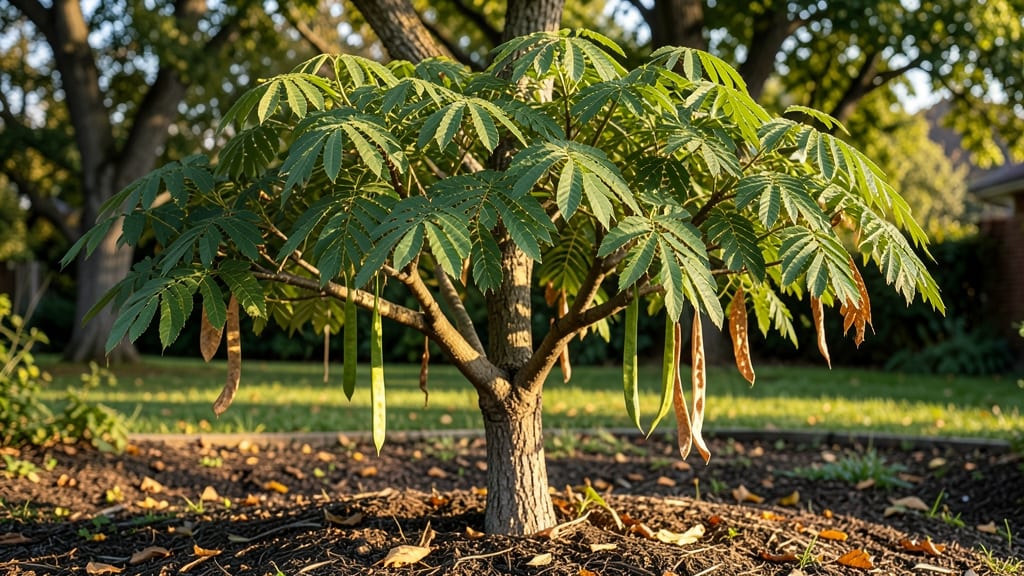
Those papery brown seed pods are nature's way of starting a Japanese pagoda tree—if you know when to collect them. 🌱 The key to reliable blooms lies in understanding your zone's frost dates and how they affect germination timing, because planting too early or too late can mean the difference between a thriving tree and a failed experiment.
First, wait until the pods turn completely brown and begin splitting open on their own—this usually happens in late fall after the first frost. Inside, you'll find flat, dark seeds that need a cold stratification period to break dormancy.
Gather them carefully, then store in a damp paper towel in the fridge for 60-90 days to mimic winter conditions.
Once stratified, sow seeds 1/4 inch deep in well-draining soil mix (equal parts sand and peat moss) and keep them consistently moist but never soggy. Germination takes 3-6 weeks at 65-75°F, and seedlings will need bright, indirect light until they're strong enough for full sun.
Zone 5-7 gardeners should start seeds indoors in early spring, while warmer climates (Zone 8+) can direct-sow after last frost. The payoff? A tree that matures into a stunning, fragrant shade provider with minimal effort—once you get the timing right.
📚 In This Guide
- What you need
- Instructions
- Tips and common mistakes
- Wrapping up and next steps
What you need
- ● Japanese Pagoda Tree seed pods – Collect at least 10-15 pods for better success rates (they’re lightweight, so handle with care!).
- ● Well-draining potting mix – 2-3 gallons of a blend designed for seedlings (e.g., 50% peat moss, 30% perlite, 20% sand).
- ● Seed trays or small pots – 6-12 individual cells or 4-inch pots (biodegradable pots work great!).
- ● Spray bottle – For gentle watering without disturbing seeds.
- ● Clear plastic wrap or humidity dome – To maintain moisture and warmth during germination.
- ● Grow lights or sunny windowsill – 6-8 hours of indirect light daily (south-facing windows or LED grow lights work best).
- ○ Heat mat (optional but helpful) – Keeps soil 65–75°F for faster germination.
- ● Seed germination accelerator – Speeds up sprouting (e.g., Hydro 7 or Root Boost).
- ● Fertilizer (low-nitrogen) – Balanced 10-10-10 once seedlings have 2-3 true leaves.
- ● Pruning shears – For trimming weak or leggy seedlings later.
- ● Labeled markers – To track planting dates and zones (critical for timing blooms!).
- ● Outdoor hardening tray – Helps acclimate seedlings before transplanting.
How to germinate Japanese pagoda tree seed pods successfully
Here's my foolproof method for coaxing these finicky seeds into strong saplings—tested across multiple growing zones.
🌱 Step 1: Harvest and Prepare the Seed Pods
Collect seed pods when they turn brown and papery but haven't split open naturally. This usually happens in late fall after the tree's flowers fade. Store them in a paper bag in a cool, dry place until you're ready to process them—never refrigerate as they need a dry dormancy period.
When ready to plant, open the pods carefully with a knife or your fingers. Inside, you'll find flat, dark seeds about the size of a pea. I like to soak them in lukewarm water for 12 hours first—this softens the tough outer coating and speeds up germination. Don't skip this step; dry seeds can take months to sprout.
🌿 Step 2: Stratify for Zone-Specific Germination
Japanese pagoda tree seeds need cold stratification to break dormancy. The exact time varies by zone: Zone 5-6 needs 8-10 weeks, while Zone 7-9 requires 4-6 weeks. Mix the soaked seeds with moist peat moss in a sealed plastic bag and refrigerate.
Check weekly for mold—if you see any, dump the mix and start fresh. After stratification, plant the seeds ½ inch deep in well-draining potting mix (never garden soil). Keep the soil consistently moist but not soggy. You'll see first sprouts in 3-6 weeks after planting, depending on your zone.
☀️ Step 3: Provide Ideal Growing Conditions
Once seedlings emerge, move them to a bright, indirect light spot. These young trees hate direct sun at first—too much intensity causes leaf scorch. A south-facing window with sheer curtain works perfectly. If using grow lights, keep them 6-8 inches above the seedlings for 14 hours daily.
Water gently from the bottom of the pot to avoid disturbing the roots. Let the top inch of soil dry between waterings—overwatering leads to root rot, which kills seedlings quickly. You'll notice true leaves (not the initial seed leaves) appear in 4-6 weeks, signaling it's time to transplant.
🪴 Step 4: Transplant and Harden Off
When seedlings have 3-4 sets of true leaves and are at least 4 inches tall, transplant them into individual 4-inch pots. Use the same well-draining potting mix and plant at the same depth as their original container. Gently firm the soil around the base to eliminate air pockets.
Start hardening off two weeks before your last frost date. Place seedlings outside in a sheltered spot for 1 hour the first day, then gradually increase time over 10 days. Watch for wilting or yellowing—if you see either, they're not ready yet. Once they tolerate full outdoor conditions, they're ready for their permanent spot in the garden.
⏰ Step 5: Maintain for First-Year Blooms
After transplanting outdoors, keep the soil evenly moist but well-drained. These trees thrive in full sun once established, so move them to a south or west exposure after their first year. Fertilize lightly with a balanced 10-10-10 formula in early spring—too much nitrogen causes leafy growth at the expense of flowers.
You'll see first blooms in 3-5 years if all goes well. The key is patience—these trees grow slowly but reward you with stunning pagoda-shaped flowers that attract pollinators. Prune lightly after flowering to encourage bushier growth, but avoid heavy cuts in the first two years.
Tips & tricks for perfect Japanese pagoda tree germination
Real talk: These seeds are stubborn, but these tricks will help you beat dormancy every time.
Harvest Timing: The pods need to be fully brown but still intact—if they've split open naturally, the seeds inside may already be dried out. I've found that harvesting in late fall, right after the flowers fade, gives me the freshest pods. Store them in a paper bag in a cool, dry spot (like a basement or garage) until you're ready to process them. Never refrigerate—this mimics their natural dormancy period and keeps them viable.
Soaking Secret: That 12-hour lukewarm water soak isn't just a suggestion—it's essential for breaking through the tough seed coat. I use a glass jar so I can see the seeds soften. If you're impatient, you can extend this to 24 hours, but don't exceed 48 hours or the seeds may start to rot. This step cuts germination time from months to weeks!
Stratification Zone Hack: If you're between zones (like Zone 6), I recommend using the longer 8-10 week period for best results. Mark your calendar when you start stratification—these seeds won't sprout until they've completed their cold requirement. Pro tip: Use a small plastic bag with a twist tie to create an air pocket, which helps prevent mold. Check weekly and refresh the peat moss if it dries out.
Light Transition: When moving seedlings to bright indirect light, watch for the first signs of leaf scorch—tiny brown spots on the edges. This means they're getting too much direct sunlight. I've had success using a sheer curtain over a south-facing window or placing seedlings under LED grow lights 6-8 inches away for 14 hours daily. The key is gradual adjustment—start with 6 hours of light and increase by 2 hours every few days.
Pro Tips for Japanese Pagoda Tree Seed Pods
- Real talk: These seeds are stubborn, but these tricks will help you beat dormancy every time.
- Harvest Timing: The pods need to be fully brown but still intact—if they've split open naturally, the seeds inside may already be dried out.
- Soaking Secret: That 12-hour lukewarm water soak isn't just a suggestion—it's essential for breaking through the tough seed coat.
Frequently asked questions
Got questions about growing Japanese pagoda tree seed pods? You’re not alone!
Here are some of the most common queries—plus quick, actionable answers to help you cultivate success.
When is the best time to plant Japanese pagoda tree seed pods?
The ideal time to plant these seed pods is in early spring (after the last frost) or late fall (before hard freezes). Seed pods thrive in warm soil (60–70°F) and need consistent moisture. If you’re in Zones 5–8, aim for March–April or September–October for optimal germination.
How long does it take for Japanese pagoda tree seed pods to germinate?
Germination can take 4–12 weeks, depending on soil temperature, moisture, and zone. In warmer climates (Zones 7–9), expect faster sprouting (3–6 weeks). In cooler zones (5–6), extend your timeline to 8–12 weeks. Keep soil consistently damp (not soggy) and patient—delayed germination is normal!
Can I grow Japanese pagoda trees from store-bought seed pods, or do I need special seeds?
Yes! You can absolutely grow them from fresh, healthy seed pods you find in your yard or purchase online. Just ensure the pods are plump, intact, and free of mold. Avoid dried or cracked pods—they’ve likely lost viability. For best results, stratify (cold-treat) pods for 4–6 weeks before planting to mimic winter conditions.
What’s the easiest way to troubleshoot slow or no germination?
If your seed pods aren’t sprouting, check these 3 common culprits:
- Soil temperature: Use a soil thermometer—aim for 60°F+.
- Moisture imbalance: Overwatering suffocates seeds; underwatering dries them. Keep soil evenly moist like a wrung-out sponge.
- Light exposure: Seed pods need bright, indirect light (not direct sun). A sunny windowsill or grow light works best.
Pro tip: If all else fails, try scarifying the pods (lightly nicking the outer shell with sandpaper) to break dormancy.
Are there alternatives to Japanese pagoda trees for fast-growing shade?
If you love the ornamental pods and shade but want faster results, consider these low-maintenance alternatives:
- Ginkgo Tree: Hardy, disease-resistant, and produces unique seed pods (though not edible). Grows in Zones 4–8.
- Tulip Tree: Native to the U.S., fast-growing, and produces striking seed pods. Thrives in Zones 4–9.
- Hornbeam Tree: Compact, with attractive seed clusters and excellent fall color. Best for Zones 3–8.
Each offers similar aesthetic benefits but with varied growth speeds—perfect for different landscapes!
Wrapping up and next steps
Growing Japanese pagoda tree seed pods is a rewarding journey that brings unique beauty to your landscape—and you’ve got all the tools to succeed! 🌱 Whether you’re in Zone 5 or Zone 9, understanding the germination timeline ensures vibrant blooms and lush foliage.
Now that you’re armed with the right knowledge, take the next step: start your seeds indoors or sow them outdoors at the perfect time—your future pagoda tree is waiting!
Pro tip: 💡 Keep a gardening journal to track your progress and share your success with fellow plant enthusiasts!