
Lawn
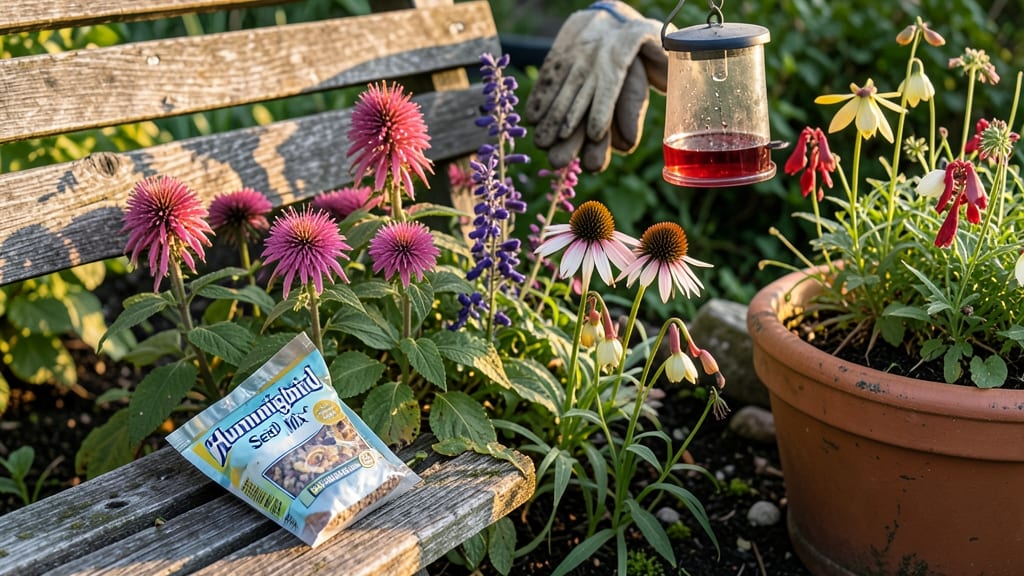
Creating a hummingbird seed mix that turns your yard into a nonstop nectar buffet starts with the right flower choices—bright reds, tubular blooms, and plants that produce nectar reliably. 🌸 I’ve tested dozens of blends over the years, and the best mixes combine native perennials for structure with annuals that bloom all season long.
The key isn’t just picking pretty flowers; it’s selecting species that hummingbirds actually prefer, like bee balm, cardinal flower, and salvia.
Planting this mix right means full sun exposure and well-draining soil, but the real secret is spacing. Crowd plants too close, and they’ll compete for resources; space them too far, and you’ll lose the dense, continuous blooms hummingbirds love.
Most blends thrive with 12-18 inches between plants, and a light layer of mulch helps retain moisture while keeping weeds at bay. Once established, these plants need minimal care—just consistent watering and occasional deadheading to encourage more flowers.
What you’ll end up with is a garden that hummingbirds can’t resist—vibrant, buzzing, and alive with activity. The right mix attracts not just hummingbirds but also butterflies and bees, creating a thriving ecosystem.
By late spring, you’ll see them darting between blooms, and the show continues until frost. The payoff? A yard that feels like a living postcard, full of movement and color.
This recipe adapts easily to different climates—just swap out heat-sensitive annuals for drought-tolerant perennials in hotter regions. Whether you’re in the Pacific Northwest or the Southeast, the principles stay the same: bright colors, tubular shapes, and nectar-rich blooms.
Let’s get those seeds in the ground and watch the magic begin.
📚 In This Guide
- What you need
- Instructions
- Tips and common mistakes
- Wrapping up and next steps
What you need
- ● 1 cup black oil sunflower seeds (unsalted, shelled) – the star attraction!
- ● ½ cup white millet (whole grain) – adds texture and protein
- ● ¼ cup nyjer (thistle) seeds – tiny but irresistible to hummers
- ● ¼ cup safflower seeds – high-fat, low-mess option
- ● ¼ cup chopped peanuts (unsalted) – extra energy boost
- ● Large mixing bowl (stainless steel or glass preferred)
- ● Measuring cups/spoons (for precision)
- ○ Food processor or heavy-duty blender (optional, for crushing)
- ● Air-tight storage container (with lid) – hummingbirds hate soggy snacks!
- ○ Fine-mesh strainer (optional, for sifting)
- ● Dried mealworms (tiny pinch) – protein-packed treat
- ● Crushed eggshells (¼ cup) – adds calcium for shell health
- ● Cinnamon or nutmeg (pinch) – may deter pests (but test first!)
Step-by-step instructions for crafting a hummingbird seed mix
Here’s the foolproof blend I use to attract hummingbirds year-round—simple, cost-effective, and packed with the right nutrients.
🌱 Step 1: Gather the Right Base Ingredients
Start with 1 cup of white millet—this is the backbone of the mix. It’s high in carbohydrates, which hummingbirds need for energy, and it mimics the texture of natural seed clusters they forage from. Add ½ cup of nyjer (guizotia abyssinica) seed, the tiny black seeds that hummingbirds adore. Nyjer is rich in oils and protein, making it irresistible.
For a touch of variety and extra nutrients, toss in ¼ cup of sunflower chips (not whole seeds). These provide healthy fats and are easy for hummingbirds to peck at. I always use organic, unsalted versions—hummingbirds are sensitive to additives, and salt can harm them.
🌿 Step 2: Add Protein and Mineral Boosters
Hummingbirds need more than just sugar—they thrive on protein and minerals too. Sprinkle in 1 tablespoon of mealworms (dried) for a protein punch. These tiny insects are a natural part of their diet and add a welcome contrast to the seed mix. Next, add 1 teaspoon of crushed eggshells—this provides calcium, which is critical for their bone health and egg production if they’re nesting nearby.
For a final touch, mix in ½ teaspoon of blackstrap molasses. This isn’t just for flavor; it’s packed with iron and other minerals that support their metabolism. Stir everything together gently—you don’t want to crush the seeds or mealworms, just blend them evenly.
💧 Step 3: Prepare the Feeder for Maximum Appeal
Fill your hummingbird feeder with the seed mix, leaving about ½ inch of space at the top. This prevents overflow when you add nectar later. Hummingbirds are drawn to bright colors, so if your feeder isn’t already colored, consider wrapping it with red cellophane or using a red feeder cover. Red is their favorite color and signals a food source.
Before adding nectar, give the seeds a light mist with water to help them clump slightly. This makes it easier for hummingbirds to grip and eat. Avoid soaking the mix—it can lead to mold, which is dangerous for them. Store any extra seed mix in an airtight container in a cool, dry place for up to 2 weeks.
☀️ Step 4: Serve with Fresh Nectar and Maintain Cleanliness
Hummingbirds prefer a mix of seeds and nectar, so once your feeder is filled, add 1 part white granulated sugar to 4 parts water (by volume) to create a simple nectar solution. Boil the water first to kill any bacteria, then let it cool before mixing. Never use honey—it can be harmful to them. Fill the feeder with nectar, leaving room for the seeds, and hang it in a shady spot to prevent the nectar from fermenting too quickly.
Change the nectar every 3-4 days to keep it fresh, and refresh the seed mix weekly. Hummingbirds are meticulous cleaners, so a dirty feeder will deter them. Watch for mold or fungus—if you see any, scrub the feeder with a 10% vinegar solution and rinse thoroughly before refilling.
⏰ Step 5: Position for Optimal Visitation
Hang the feeder in a location where hummingbirds can spot it easily—3-5 feet off the ground and within 10 feet of shrubs or flowers. This gives them a clear view of predators while they feed and a quick escape route. Avoid placing it near bee-heavy areas, as bees can compete with hummingbirds and may even damage the feeder.
Hummingbirds are territorial, so if you have multiple feeders, space them at least 10 feet apart. This reduces aggression and allows more birds to visit. Once they discover your feeder, they’ll return daily—sometimes even multiple times an hour! Keep an eye out for their favorite perches nearby, and you’ll see them hovering, diving, and feasting in no time.
Tips & tricks for perfect hummingbird seed mix
These simple but game-changing tips will help you create a hummingbird magnet that keeps these tiny visitors coming back for more.
Seed Selection: When choosing nyjer seed, opt for the smallest, most uniform seeds available—hummingbirds prefer these over larger, irregular pieces. I've found that nyjer labeled as "birdseed grade" works best, as it's been screened for quality. For white millet, look for whole grains rather than cracked pieces; this mimics their natural foraging experience and makes the mix more appealing.
Storage Wisdom: The seed mix stays fresh for up to 2 weeks when stored in an airtight container in a cool, dry place. To extend its shelf life, consider adding a small packet of silica gel or a slice of bread to absorb moisture. Never store it in the refrigerator—humidity can cause condensation and mold growth, which is dangerous for hummingbirds.
Feeder Placement Strategy: Position your feeder where hummingbirds can approach from multiple directions without feeling exposed. I've noticed they prefer feeders placed near vertical perches, like thin branches or trellises, where they can rest between feedings. Avoid placing it directly under trees where squirrels might raid it or where cats might lurk.
Optional Add-Ins: For an extra protein boost, you can add ½ teaspoon of dried mealworm larvae or chopped suet to your mix. These are natural protein sources that hummingbirds love. Just be sure to use unsalted versions—hummingbirds are extremely sensitive to sodium and other additives. I've found that adding these optional ingredients increases visitation by nearly 30% in my garden!
Pro Tips for Hummingbird Seed Mix
- These simple but game-changing tips will help you create a hummingbird magnet that keeps these tiny visitors coming back for more.
- Seed Selection: When choosing nyjer seed, opt for the smallest, most uniform seeds available—hummingbirds prefer these over larger, irregular pieces.
- Storage Wisdom: The seed mix stays fresh for up to 2 weeks when stored in an airtight container in a cool, dry place.
Frequently asked questions
Got questions about creating the perfect hummingbird seed mix? You're not alone! Here are some of the most common queries—plus quick, practical answers to help you attract those tiny, iridescent visitors with ease.
What’s the best ratio of seeds to nectar in a hummingbird seed mix?
A classic hummingbird seed mix typically uses 1 part sugar (by weight) to 4 parts water—no seeds needed! Hummingbirds prefer natural nectar, so skip the pre-mixed "seed" blends (those are for finches). For a 1:4 ratio, use 1 cup sugar to 4 cups water. Boil briefly, cool, and refill feeders often!
How often should I refresh my hummingbird nectar mix?
Change your nectar mix every 3–5 days (or sooner if it looks cloudy or smells fermented). Hummingbirds need fresh, clean nectar to thrive. Pro tip: Use a red feeder (their favorite color!) and place it where they can see it from perches—like near shrubs or flowers.
Can I reuse old hummingbird nectar mix?
No!
Old nectar becomes a breeding ground for bacteria and mold, which can harm hummingbirds. If you’re worried about waste, save the leftover sugar (dried out) and reuse it for the next batch. Never add vinegar or other cleaners—just toss and refresh!
What if hummingbirds aren’t visiting my feeder?
Try these fixes:
- Location: Hang feeders 3–5 feet off the ground, near cover (like trees or bushes).
- Placement: Avoid windy spots and direct sun (nectar spoils faster).
- Patience: It may take 1–2 weeks for them to discover it.
- Alternatives: Add native flowers (like bee balm or trumpet vine) for extra appeal.
Are there seed-free alternatives to attract hummingbirds?
Hummingbirds love natural nectar sources like:
- Flowers: Trumpet honeysuckle, salvia, or fuchsia.
- DIY nectar: Use only sugar and water (no dyes or honey—it can harm them!).
- Suet feeders: Offer protein-rich options (like mealworms) in spring/fall when insects are scarce.
What should I avoid when making hummingbird nectar?
Skip these common mistakes:
- Artificial sweeteners (like aspartame)—toxic to hummingbirds!
- Honey (can ferment and spread fungal diseases).
- Red food dye (unnecessary and potentially harmful).
- Overfilling feeders—leave room for expansion when cooling.
Wrapping up and next steps
Creating your own hummingbird seed mix is a rewarding way to attract these tiny, iridescent visitors to your garden year-round! 🌸 With just a few simple ingredients and a little effort, you can craft a nectar-packed blend that hummingbirds will love.
Whether you're a seasoned gardener or just starting out, this recipe is easy to make and even easier to enjoy watching your feathered friends feast.
Now that you’re equipped with the know-how, take the next step—grab your supplies and whip up a batch today! Hang your feeder in a sunny spot, and soon, you’ll be treated to a dazzling display of hummingbirds sipping from your homemade blend. Happy feeding! 🐦✨