
How To
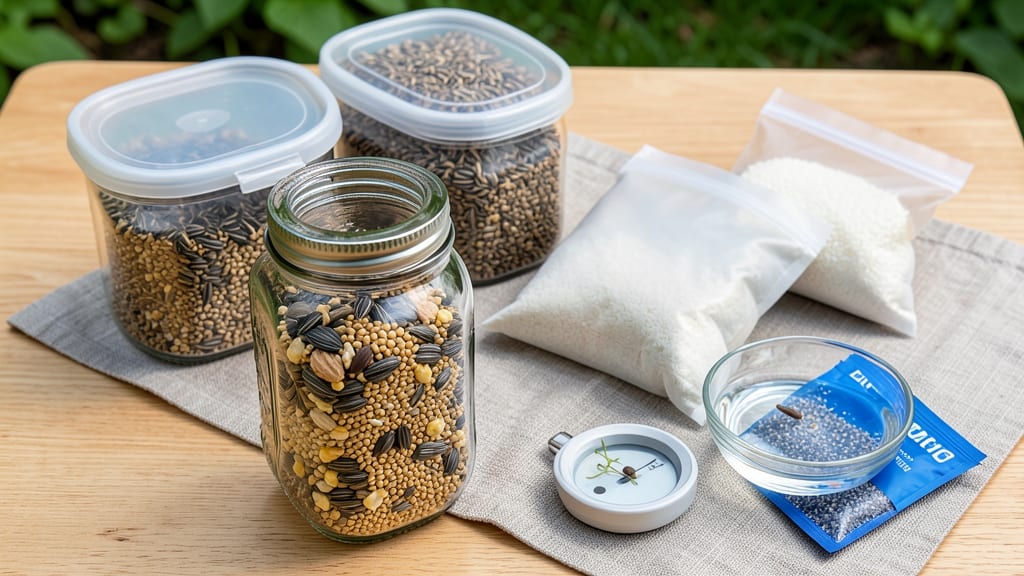
How to keep bird seed from sprouting in your garden shed could turn into a green nightmare faster than you think. 🌱 The moment moisture hits those seeds, they’ll sprout—right where you don’t want them, like your compost pile or garden beds. I’ve battled this mess more times than I’d like to admit, and these simple tricks keep my seeds dry and ready for planting when I’m ready.
First, store seeds in airtight containers with a desiccant packet—those little silica bags work wonders. If you’re dealing with spilled seeds, scoop them up and spread them out on a tray to dry completely before storing.
A quick fix for garden beds is to cover spilled seeds with a thin layer of mulch or straw to block sunlight and moisture until you can remove them.
For bird feeders near planting areas, switch to feeders with lids or place them far enough away that spilled seeds don’t land in your soil. Timing matters too—plant seeds only when you’re ready to grow them, and avoid storing seeds in damp areas like basements or garages.
With these methods, you’ll save yourself the headache of pulling up unwanted seedlings and keep your seeds fresh for months. Trust me, your future self will thank you when you’re ready to plant without surprises!
📚 In This Guide
- What you need
- Instructions
- Tips and common mistakes
- Wrapping up and next steps
What you need
- ● Air-tight containers: 1–2 food-grade plastic or glass containers with tight-sealing lids (e.g., blank">Mason jars or blank">5-gallon buckets with gamma seals). Size depends on seed volume—choose containers that hold 80–90% of your seed supply.
- ● Desiccant packets: 2–4 silica gel or clay-based moisture absorbers (available at hardware stores or online). Replace every 3–6 months.
- ○ Fine-mesh sieve or strainer: 1 (for sifting seeds if clumping occurs). Optional but helpful for checking moisture.
- ○ Food-safe sealant (optional): A small tube of paraffin wax or petroleum jelly to reinforce seals on jars.
- ● Labeling supplies: Masking tape + marker (to track purchase dates).
- ● Cool, dark storage: A pantry, basement, or closet with consistent temperatures between 40–60°F (4–15°C) and low humidity (below 50%).
- ● Avoid: Garages, attics, or near heat sources (e.g., ovens, windows).
Step-by-step guide to preventing bird seed sprouting
Here's the straightforward method I've used for years to keep bird seed fresh and sprout-free.
🪴 Step 1: Choose the Right Storage Container
Pick a container made of airtight plastic or glass—metal can trap moisture and cause condensation. I prefer a 5-gallon food-grade bucket with a tight-sealing lid because it blocks both air and light, which are the main triggers for sprouting. Make sure the container is clean and completely dry before adding seed.
Never use open bins or bags, even if they're labeled "resealable." Moisture from the air will eventually find its way in, and even a small amount can start the sprouting process. If you're repurposing a container, give it a quick rinse with warm, soapy water and let it dry thoroughly before use.
💧 Step 2: Control Humidity and Temperature
Store your bird seed in a place that stays below 60°F and has low humidity. A cool pantry or basement works well, but avoid areas like garages or sheds where temperatures can fluctuate wildly. I keep mine in a dedicated cabinet under the kitchen sink—it's cool, dark, and away from any appliances that might generate heat or moisture.
Use a small silica gel packet (the kind that comes in shoeboxes) inside the container to absorb any stray moisture. Replace it every 3-6 months or when it stops feeling damp to the touch. This extra step is worth it—humidity is the silent killer of seed freshness.
☀️ Step 3: Block Light and Air Completely
Light speeds up oil breakdown in seeds, which leads to rancidity and sprouting. Wrap your container in aluminum foil or place it inside a second, opaque container if it's see-through. I double-wrap mine because even a small amount of light exposure can start the process. Check for any gaps where light might sneak in—seal them with tape if needed.
Before sealing the container, let the seed cool completely if it was recently purchased or transported. Warm seed gives off moisture as it cools, and trapped moisture is what causes sprouting. Wait 24 hours after opening a new bag before storing it in your airtight container.
⏰ Step 4: Monitor and Rotate Seed Stock
Check your stored seed every 3 months for any signs of moisture or sprouting. Look for clumping, musty smells, or tiny green shoots—these are red flags that your storage conditions need adjustment. If you find even a few sprouted seeds, it's time to toss the whole batch and start fresh.
Use the first-in, first-out (FIFO) method to keep your seed fresh longest. Label each container with the purchase date and use the oldest seed first. This prevents you from accidentally keeping seed too long, which is the #1 reason it starts sprouting. I write the date in permanent marker on masking tape so it doesn't fade.
🌱 Step 5: Handle Seed Carefully When Refilling Feeders
When it's time to refill your bird feeders, work quickly to minimize exposure to air and moisture. Use a clean, dry scoop or funnel to transfer seed—never pour it directly from the bag. I keep a small paper towel handy to wipe down the rim of the container before sealing it back up.
Limit how often you open the container. Every time you take seed out, you're letting in air and potentially introducing moisture. Only open it when you absolutely need to, and keep each session under 2 minutes. If you're feeding birds frequently, consider storing seed in smaller portions in separate containers so you don't have to open the main supply as often.
Tips & tricks for perfect bird seed storage
These little details make all the difference between seed that stays fresh for months and seed that sprouts in weeks.
Container Selection: If you don't have a 5-gallon bucket, any airtight container will work—but avoid anything with a rubber seal. Those can degrade over time and trap moisture. I've used heavy-duty plastic food storage bins with snap lids successfully. Just make sure the seal is tight enough that you can't hear air escaping when you press the lid down.
Temperature Matters: The 60°F guideline is your golden number, but don't stress about exact thermometers. Your kitchen's coolest spot is usually fine—just avoid areas near the stove, dishwasher, or any appliance that generates heat. I've kept seed fresh in unheated basements that stay around 55-58°F, which is actually even better than 60°F for long-term storage.
Light Blocking Strategy: For maximum light protection, combine the aluminum foil with a black garbage bag inside the container. The double layer creates a completely lightproof environment. This is especially important if you're storing seed for more than 6 months—light exposure accelerates oil breakdown, which leads to rancidity faster than sprouting.
Monitoring System: Set a calendar reminder every 3 months to check your seed. I mark it on my phone's "Notes" app with the date I opened the container and add "Check seed" three months later. This prevents me from forgetting and catching sprouts too late. When you do check, use a clean spoon to sample from the middle of the container—not just the top layer.
Pro Tips for Keep Bird Seed From Sprouting
- These little details make all the difference between seed that stays fresh for months and seed that sprouts in weeks.
- Container Selection: If you don't have a 5-gallon bucket, any airtight container will work—but avoid anything with a rubber seal.
- Temperature Matters: The 60°F guideline is your golden number, but don't stress about exact thermometers.
Frequently asked questions
Why does bird seed sprout in the first place?
Bird seed sprouts when exposed to moisture and warmth, triggering germination. Whole seeds (like sunflower) contain the embryo and nutrients needed to grow—just like vegetable seeds! Storing them in damp or unsealed containers speeds up the process. Even small amounts of humidity can kickstart sprouting in just days.
How long can I store bird seed before it starts sprouting?
Unopened, high-quality bird seed lasts 6–12 months in a cool, dry place (like a pantry). Once opened, use it within 1–3 months for best results. Check for mold, musty smells, or soft seeds—these are red flags! For longer storage, freeze seeds in airtight containers (up to 1 year).
Are there alternatives to traditional bird seed storage?
Yes! Try these sprout-proof options:
- Vacuum-sealed bags: Remove all air to block moisture (great for bulk purchases).
- Mylar bags with oxygen absorbers: Ideal for long-term storage (e.g., 6+ months).
- Glass jars with desiccant packs: Keep seeds dry and pest-free.
- Refrigerator or freezer: Slows spoilage but may alter texture over time.
What should I do if my bird seed already has mold or sprouts?
Don’t use it! Moldy or sprouted seed can harm birds (or your pets). Toss it immediately. To prevent future issues:
- Inspect seeds before buying (look for cracks or discoloration).
- Store in 50°F or below with 10–15% humidity.
- Use a food-safe dehumidifier in storage areas.
Will sprouted bird seed still attract birds?
Yes—but it’s not ideal. Sprouted seeds may clump, lose nutritional value, or even ferment, which can harm birds. While they’ll still eat it, fresh, dry seed is safer and more appealing. If you accidentally sprout some, dry it thoroughly in a low oven (150°F for 1–2 hours) to kill bacteria before serving.
Wrapping up and next steps
Keeping your bird seed fresh and sprout-free is all about smart storage and a few simple habits! By choosing the right containers, controlling moisture and temperature, and monitoring seed quality, you’ll ensure your feed stays ready for your feathered friends—no surprises included. 🐦✨
Now that you’re armed with these dry storage secrets, take the next step: audit your current setup and make any tweaks needed. Your birds (and your wallet) will thank you!