
Lawn
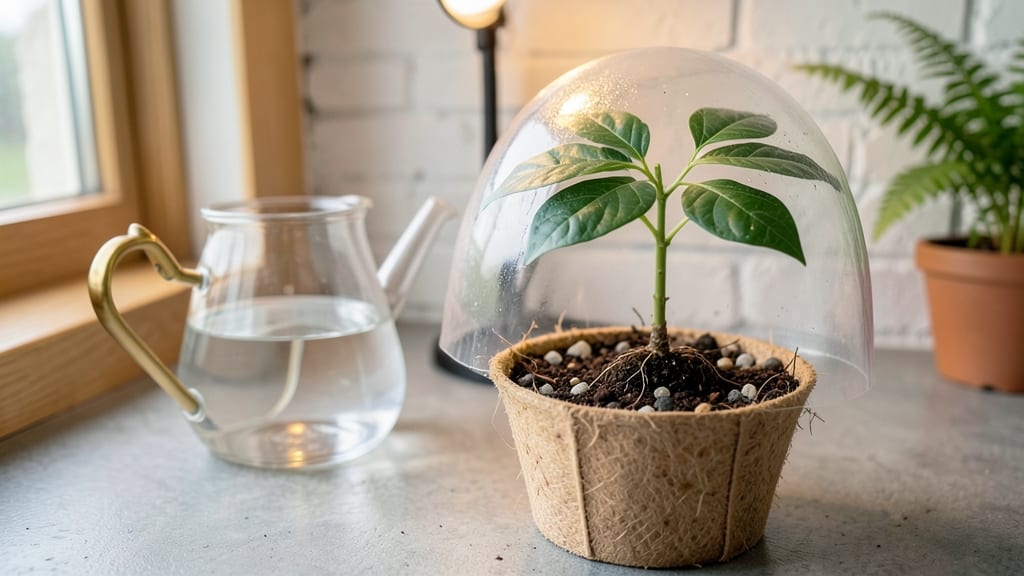
Sprouting a jackfruit seed in just 7 days turns a grocery store waste product into a lush tropical greenhouse starter—no fancy equipment needed. 🌱 I’ve turned dozens of discarded seeds into thriving plants using nothing but a clear plastic bag, a sunny windowsill, and a little patience.
The key is mimicking the warm, humid conditions where jackfruit trees naturally grow.
Start with fresh seeds (the larger, plumper ones sprout fastest) and a damp paper towel or peat moss to keep them moist without drowning.
Place them in a sealed bag with a tiny air pocket to trap humidity, then tuck them near a heat source—like the top of your fridge or a sunny window. Within 3-5 days, you’ll see roots and a tiny shoot emerge, signaling it’s time to transplant into soil.
Once sprouted, give your seedling bright, indirect light and keep the soil consistently moist but never soggy. Jackfruit seedlings grow fast—expect 4-6 inches of new growth in their first month—though they’re sensitive to cold drafts. A clear plastic dome or humidity tray helps them transition smoothly from bag to pot.
Common pitfalls include mold (from overwatering) or stunted growth (from cool temperatures). If your seed stays dormant, try soaking it overnight before restarting. With the right care, your jackfruit seedling could grow into a 20-foot tree—or become a stunning houseplant if you keep it pruned.
Here’s how to keep it thriving.
📚 In This Guide
- What you need
- Instructions
- Tips and common mistakes
- Wrapping up and next steps
What you need
- ● Fresh jackfruit seeds: 5–10 seeds (harvested from ripe, organic jackfruit—pro tip: 💡 soak them in water for 4–6 hours to soften the shell!)
- ● Small pots or containers: 2–3 (4–6 inches wide) with drainage holes (yogurt cups, egg cartons, or biodegradable peat pots work great!)
- ● Potting mix: 1–2 cups of well-draining, seed-starting soil (or a mix of coconut coir + perlite for extra aeration)
- ● Watering can or spray bottle: With a fine mist setting (overwatering is the #1 enemy of sprouts!)
- ○ Clear plastic wrap or humidity dome: To create a mini greenhouse effect (optional but highly recommended for faster growth).
- ● Tweezers or toothpick: For gently handling seeds (jackfruit shells can be stubborn!)
- ● Scissors: To trim plastic wrap or cut drainage holes if needed.
- ● Sunlight or grow light: A sunny windowsill (6+ hours/day) or a basic LED grow bulb (12–16 hours/day).
- ○ Fertilizer (optional): A diluted seaweed extract or worm castings (1 tsp per pot) after 7–10 days.
- ● A warm, draft-free spot (65–85°F / 18–29°C is ideal).
- ● Patience! Sprouts may take 3–7 days to crack open—stay consistent with moisture checks.
- ● Ripe jackfruit: Green or unripe seeds won’t sprout—aim for fully yellow, soft-skinned fruit.
Step-by-step instructions for sprouting jackfruit seeds
Turn your jackfruit’s discarded seed into a living greenhouse starter in just a week.
🌱 Step 1: Prep the Seeds for Faster Germination
Start by soaking the jackfruit seeds in warm water for 24 hours. This softens the tough outer shell and kickstarts the germination process. I like to place them in a small bowl with enough water to cover them completely—just make sure they don’t float away. After soaking, gently rub the outer coating with your fingers to help break it down further. You’ll see the shell soften noticeably, making it easier for the root to emerge.
Once soaked, drain the water and let the seeds sit in a damp paper towel overnight. This keeps them hydrated without drowning them. The goal here is to mimic the tropical conditions the seed is used to—warmth, moisture, and a little coaxing. By morning, you’ll notice the shell has loosened even more, and the seed is ready for planting.
💧 Step 2: Plant in a Moist, Well-Draining Medium
Fill a small pot or container with a mix of 50% potting soil and 50% perlite or coconut coir to ensure good drainage. Jackfruit seeds rot quickly if they sit in soggy soil, so this balance is key. I use a 4-inch pot for each seed, as they’ll need room to grow without crowding. Press the soil down lightly to create a firm base, then make a hole about 1 inch deep—just enough to bury the seed halfway.
Place the seed in the hole with the pointed end facing downward. This orientation helps the root grow straight into the soil. Cover it lightly with soil, leaving the top half exposed so you can monitor progress. Water gently until the soil is moist but not waterlogged. You’ll know it’s right when water drips out the bottom of the pot but doesn’t pool on the surface.
☀️ Step 3: Provide Warmth and Indirect Light
Jackfruit seeds thrive in 75-85°F conditions, so place the pot in a warm spot—like near a sunny window or on a heat mat set to 70°F. Avoid direct sunlight at first, as it can dry out the soil too quickly. Instead, opt for bright, indirect light. You’ll see the first signs of life in 3-5 days when a small root emerges from the soil. This is your cue that germination is underway.
Once the root appears, increase the light gradually to 6-8 hours of indirect sunlight daily. If you notice the soil drying out too fast, mist it lightly with water. The key here is consistency—keep the soil moist but never soggy. Within 7 days, you should see the first true leaves unfurling, signaling that your jackfruit seedling is ready for its next growth phase.
🌿 Step 4: Transplant and Encourage Growth
After 2-3 weeks, when the seedling has developed 2-3 sets of leaves, it’s time to transplant into a larger pot. Choose a container at least 6 inches deep with fresh potting mix. Gently remove the seedling from its original pot, being careful not to damage the roots. Place it in the new pot, burying it just slightly deeper than it was before.
Water thoroughly after transplanting to help the soil settle around the roots. Place the pot in a spot with morning sun and afternoon shade to prevent leaf scorch. Over the next few weeks, you’ll see rapid growth as the seedling establishes itself. This is where the real magic happens—your jackfruit seed is now a living greenhouse starter, ready to provide shade and humidity for other tropical plants.
Tips & tricks for perfect jackfruit seed sprouting
Here's what nobody tells you about transforming those tough jackfruit seeds into thriving greenhouse starters.
Soaking Strategy: The 24-hour soak is your secret weapon—warm water (around 75°F) works best to soften the shell without overhydrating. I like to use a bowl with just enough water to cover the seeds completely, then place it in a warm spot like near the oven with the light on. This mimics tropical humidity and speeds up the softening process. After soaking, gently rubbing the shell with your fingers removes any remaining resistance, making root emergence effortless.
Medium Mix Matters: That 50-50 blend of potting soil and perlite/coco coir isn't just arbitrary—it's about balance. Perlite creates air pockets that prevent rot, while potting soil provides nutrients. I've found that adding a handful of worm castings to the mix gives seedlings a nutritional boost right from the start. Just avoid compacting the soil too much when planting; keep it light and fluffy for those emerging roots.
Light Management: The 6-8 hours of indirect light in Step 3 is crucial—too much direct sun can scorch delicate seedlings. I place my pots on a north-facing windowsill or under grow lights set to 75°F. If you notice the leaves turning yellow, that's your cue to reduce light exposure immediately. For even growth, rotate the pot a quarter turn daily so all sides get equal light exposure.
Transplant Timing: Waiting until those 2-3 sets of leaves appear before transplanting ensures the seedling has enough energy to handle the shock. I recommend using a small hand trowel to gently loosen the soil around the roots before transferring to the larger pot. This prevents root damage and helps the seedling establish itself more quickly in its new home.
Pro Tips for Jackfruit Seed Sprout
- Here's what nobody tells you about transforming those tough jackfruit seeds into thriving greenhouse starters.
- Soaking Strategy: The 24-hour soak is your secret weapon—warm water (around 75°F) works best to soften the shell without overhydrating.
- Medium Mix Matters: That 50-50 blend of potting soil and perlite/coco coir isn't just arbitrary—it's about balance.
Frequently asked questions
Got questions about sprouting jackfruit seeds?
You’re not alone! Whether you’re a first-time gardener or a seasoned green thumb, these answers will help you grow those seeds like a pro—without the guesswork.
How long does it take for jackfruit seeds to sprout?
Most jackfruit seeds sprout within 7–14 days when kept in warm, moist conditions (70–80°F). Place them in a seedling tray with damp paper towels or a peat-based mix for the fastest results. Patience is key—some stubborn seeds may take up to 3 weeks!
Can I sprout jackfruit seeds indoors without sunlight?
Jackfruit seeds don’t need direct sunlight to germinate. Use a grow light (12–16 hours/day) or place them near a sunny window after sprouting. For the first week, keep them in a warm, dark spot (like a cupboard) to encourage root growth before transferring to light.
What if my jackfruit seeds rot instead of sprouting?
Overwatering or poor drainage is the usual culprit. Fix it by:
- Using a well-draining mix (50% peat, 50% perlite).
- Watering only when the top inch feels dry.
- Ensuring the container has drainage holes.
Are jackfruit seed sprouts edible, or just for plants?
While the sprouts themselves aren’t edible, the mature jackfruit tree produces delicious fruit! However, the seedlings can be used as biodegradable plant starters—just transplant them into soil when they’re 3–4 inches tall. No waste, all gain!
What’s the best alternative if my seeds won’t sprout?
If your jackfruit seeds refuse to cooperate, try:
- Soaking them overnight in warm water to soften the shell.
- Using a seed scarifier (gentle sandpaper) to nick the hard outer layer.
- Planting store-bought jackfruit seedlings as a backup (check local nurseries!).
Wrapping up and next steps
Transforming jackfruit seeds into thriving sprouts isn’t just eco-friendly—it’s a game-changer for your garden! 🌱 With just a few simple steps and a week of patience, you’ve unlocked a zero-waste, nutrient-packed way to kickstart your greenhouse or garden beds.
Whether you’re a seasoned gardener or a curious beginner, this method proves that sustainability and simplicity go hand in hand.
Now that you’re armed with the know-how, why not take the next step? Try sprouting a batch of jackfruit seeds this weekend and watch your green space flourish—one seed at a time!
Share your progress or ask questions in the comments; we’d love to see (and help) your gardening journey grow! 🌿