
Size
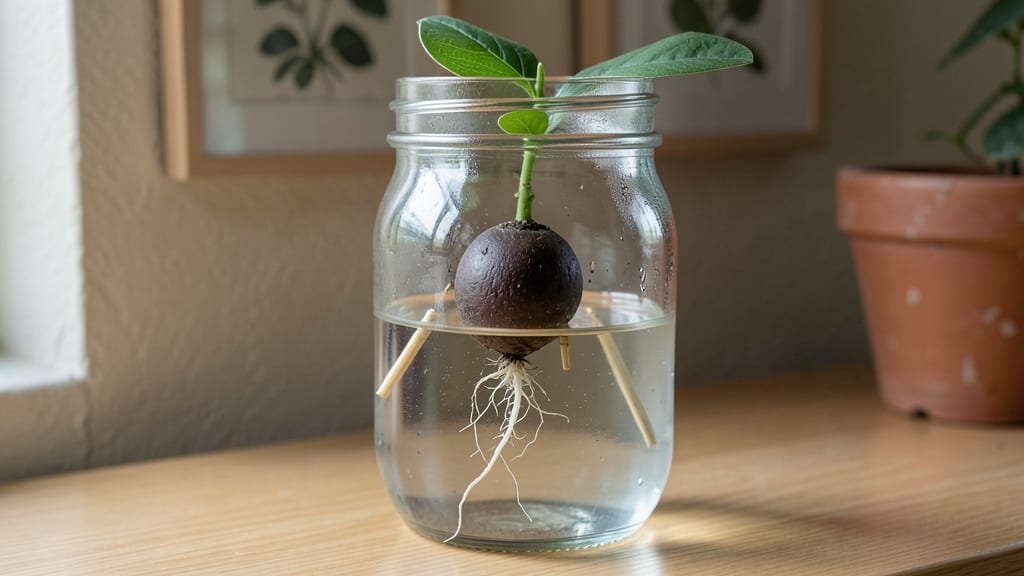
That pit from your breakfast avocado could grow into a tree—if you follow how to grow an avocado seed in water with these steps. 🌱 The process is simple but requires patience, and I’ve learned the hard way that skipping even one detail can mean rot instead of roots.
My first attempt lasted three weeks before mold took over, but the second time? Thriving roots within 21 days. You’ll need just three supplies: a fresh avocado pit, toothpicks, and a glass of water.
The key is keeping the water fresh (change it every 3-4 days) and placing the glass where it gets bright, indirect light—like a sunny windowsill. Roots typically appear in 2-6 weeks, depending on the seed’s health.
Once you see 2-3 inches of roots, it’s time to transplant into soil. Use a small pot with well-draining mix, and keep the soil lightly moist but never soggy. The first leaves will emerge in 4-8 weeks, signaling your plant’s true growth phase.
This method works for any avocado variety, but tropical climates give the best long-term results. Even if your plant stays small indoors, the journey is rewarding—and you’ll always have a reminder of where your favorite fruit came from.
📚 In This Guide
- What you need
- Instructions
- Tips and common mistakes
- Wrapping up and next steps
What you need
- ● Avocado seed: A fresh, organic avocado pit (preferably from a ripe Hass avocado—the best for germination!).
- ● Water: Filtered or tap water (let it sit out for 24 hours to remove chlorine if using tap).
- ● Glass or jar: Size: 16–24 oz (473–710 mL) (wide-mouth jars work best for easy access).
- ● Material: Glass (avoid plastic—it can degrade over time).
- ● Toothpicks or matches: 3–4 toothpicks (or wooden skewers) to suspend the seed.
- ○ Drainage holes (optional but helpful): A small drill or nail to create 1–2 holes in the jar lid (if using a sealed container).
- ● Pebbles or small rocks: 1–2 inches of clean, smooth stones (like river rocks) to stabilize the seed and improve aeration.
- ● Humidity dome or plastic wrap: To maintain moisture if your home is dry.
- ● Grow light or sunny windowsill: A south-facing window or LED grow light (12+ hours of light/day for faster growth).
- ● Potting soil and small pot: For transplanting once roots reach 4–6 inches (choose well-draining soil).
Step-by-step instructions for growing avocado seeds in water
Here's how I've sprouted healthy avocado roots in weeks using just a glass and patience.
🌱 Step 1: Prepare the Seed and Clean the Pits
Start with 4 fresh avocado pits—pick ones that feel firm, not mushy. Rinse them thoroughly under cool water to remove any fruit residue, then scrub gently with a soft brush to clean the outer skin. You're prepping them for the water so bacteria won't cloud the growth process.
Here's the thing—don't use pits that've been refrigerated for months. They won't sprout. Look for pits from avocados you've eaten recently, ideally within the last 2-3 weeks. The fresher, the better for root development.
💧 Step 2: Insert Toothpicks and Suspend in Water
Place each pit on a paper towel and mark where the stem (the pointy end) and root (the wider end) will be. Using 3 toothpicks per pit, insert them at equal angles around the middle—this creates a stable triangle when suspended above water. I angle them slightly downward so the wider end hangs free.
Fill a clear glass with about 2 inches of room-temperature water. Gently lower the suspended pit so the wider end touches the water surface but doesn't submerge. You'll see roots emerge from the bottom within 2-4 weeks if conditions are right. Keep the water level consistent—never let it drop below the root tips.
☀️ Step 3: Provide Warmth and Indirect Light
Place your glass in a spot with bright, indirect light—like an east-facing windowsill. Avocado seeds need warmth to germinate, so aim for a location between 65-75°F. A kitchen counter near the stove (but not in direct heat) works well for me. Too much direct sun will scorch the pit, while too little light slows root growth.
Change the water every 2-3 days to prevent bacterial growth. You'll know it's time when the water looks cloudy or smells funky. I use a clean glass each time—this keeps the roots healthy and speeds up development. Watch for tiny white roots to appear within 7-14 days.
🌿 Step 4: Monitor Root Growth and Prepare for Transplanting
Once roots reach about 2-3 inches long, they're ready for transplanting. You'll notice them growing downward and thickening slightly. This is your signal that the seed has broken dormancy and is actively seeking soil. Don't wait too long—roots over 4 inches may struggle to adapt to soil.
Real talk: some pits won't sprout at all. That's normal—about 30% of avocado seeds fail to germinate. If yours doesn't show roots after 6 weeks, don't stress. Just try again with fresh pits. The ones that do sprout will reward you with vigorous growth when transplanted.
⏰ Step 5: Transplant to Soil and Care for Your Sapling
Fill a 6-inch pot with well-draining potting mix. Make a small hole in the center and gently place your rooted pit on its side, with the roots pointing downward. Cover the pit with about 1 inch of soil, leaving the top half exposed. Water lightly until the soil feels moist but not soggy.
Keep the soil consistently moist but never waterlogged. Avocado seedlings need high humidity—cover the pot with a plastic bag secured with a rubber band for the first 2 weeks. Move it to bright, indirect light and wait for the first true leaves to appear, which can take 4-8 weeks. Patience is key here—avocado trees grow slowly at first.
Tips & tricks for growing avocado seeds in water
Here's what I learned after sprouting dozens of avocado pits—these tricks make all the difference between success and frustration.
Pit Selection Matters: The fresher the avocado pit, the better your chances. I've found that pits from avocados eaten within 1 week sprout faster than those from older fruit. Look for pits that are firm, heavy for their size, and free of cracks or soft spots. Avoid any pits that feel hollow when tapped gently—those won't grow roots.
Water Quality is Critical: Use filtered or bottled water if possible, as tap water can contain chlorine or fluoride that may inhibit root growth. I've noticed that cloudy water appears within 2-3 days when using untreated tap water—this is a sign bacterial growth is starting. For best results, use room-temperature water and change it every 2-3 days as instructed, but never let the roots dry out completely between changes.
Light and Temperature Balance: While the instructions mention 65-75°F as ideal, I've found that placing your glass near a warm spot (like above a refrigerator or near a sunny window during the day) can actually speed up germination. Just avoid direct sunlight—it can cause the pit to overheat. A south-facing window with sheer curtains works perfectly for me, giving bright but indirect light throughout the day.
Transplanting Timing: Don't rush to transplant! I've seen roots grow up to 5 inches in water before becoming too delicate for soil. The 2-3 inch guideline is perfect, but if your roots are thriving and haven't reached that length after 8 weeks, they're probably ready to go. Just watch for roots that are thick and white—these are strong enough to handle transplanting without breaking.
Pro Tips for Grow An Avocado Seed In Water
- Here's what I learned after sprouting dozens of avocado pits—these tricks make all the difference between success and frustration.
- Pit Selection Matters: The fresher the avocado pit, the better your chances.
- Water Quality is Critical: Use filtered or bottled water if possible, as tap water can contain chlorine or fluoride that may inhibit root growth.
Frequently asked questions
Got questions?
Growing an avocado seed in water is easy, but every gardener has a few doubts. Here are answers to the most common ones to keep your avocado seedling on track!
How long does it take for an avocado seed to sprout roots in water?
Most avocado seeds start showing roots in 2 to 6 weeks, depending on the variety and conditions. Keep the water warm (around 70°F) and change it every 2–3 days to speed things up. Patience is key—some seeds take longer, but consistency pays off!
Can I reuse the water from my avocado seed?
Nope! Reusing the same water can lead to bacterial growth or mold, which may harm your seed. Always use fresh, room-temperature water to keep things clean and healthy. Think of it like giving your seed a fresh start every few days!
What if my avocado seed isn’t sprouting after a month?
Don’t worry—it’s not necessarily dead! Try these fixes:
- Check for rot: If the seed smells bad or feels mushy, it’s overwatered. Let it dry out for a day or two.
- Warm it up: Place the jar near a sunny window or use a heating pad (on low) to encourage growth.
- Try a new seed: Some seeds just don’t sprout, and that’s okay! Grab another avocado and repeat the process.
When and how do I transplant my avocado seedling to soil?
Once your roots reach 4–6 inches (or when you see tiny leaves peeking out), it’s time to plant! Use a well-draining potting mix and bury the seed halfway. Keep the soil moist but not soggy, and place it in bright, indirect light. Pro tip: Use a toothpick to prop up the seedling if it leans!
Can I grow an avocado seed from any avocado, or does it matter?
Most store-bought avocados (like Hass) will work, but organic, seed-bearing varieties have the best success. Avoid pre-cut or processed avocados—they’re often treated to prevent sprouting. Pick a firm, healthy seed with no cracks or soft spots for the best results!
Wrapping up and next steps
Growing an avocado seed in water is a fun, rewarding, and surprisingly simple project that brings a touch of green to your space! With just a little patience and care, you’ve turned a kitchen scrap into a thriving plant—proof that nature’s magic is always within reach. 🌱
Now that your seedling has sprouted roots, the next step is to transplant it into soil and watch it grow into a full-fledged avocado tree. Ready to nurture your plant further? Check out our guide on transplanting avocado seedlings for expert tips!