
How To
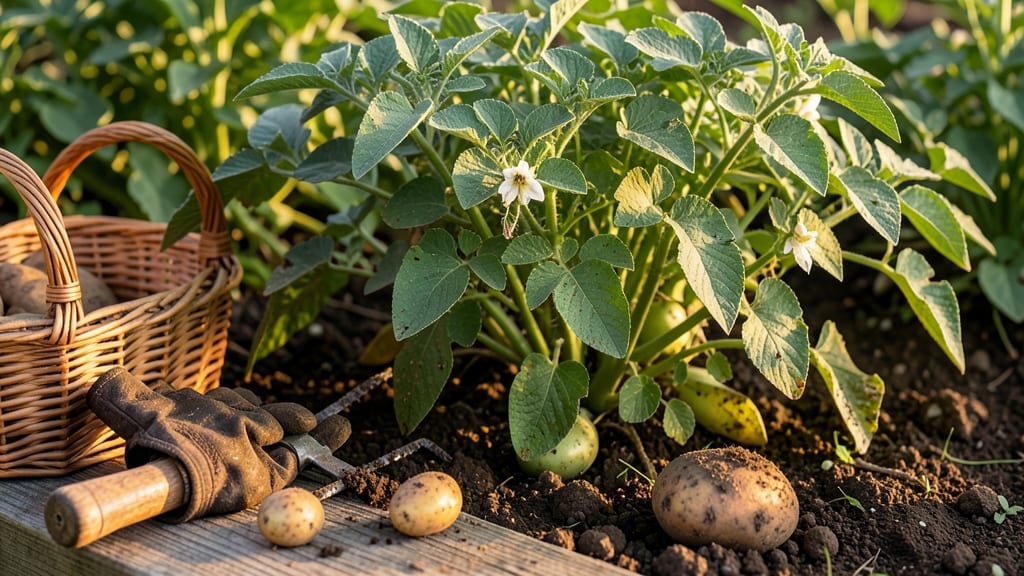
From one seed potato, you can harvest anywhere from 3 to 10 tubers—but the exact number depends on the variety, growing conditions, and a few tricks most gardeners miss.
Picture this: you plant a single 🥔 in your backyard, and by summer, you’re staring at a hill of dirt wondering, Where are my potatoes? The answer isn’t just luck—it’s science.
Some varieties are prolific, while others play it safe, and soil, water, and even how you cut your seed can double (or halve) your yield.
In this guide, I’ll break down the math behind potato yields by variety, share the proven techniques to maximize your harvest, and reveal the common mistakes that leave gardeners digging up disappointment instead of dinner.
Whether you’re a beginner or a seasoned grower, you’ll leave here knowing exactly how to turn one seed potato into a bountiful harvest—without wasting time or space.
Average potato yields by variety: math-backed harvest estimates
Planning your potato harvest starts with understanding how many potatoes from one seed potato you can realistically expect. The answer varies dramatically by variety, seed size, and growing conditions.
For example, a Russet Burbank seed potato might produce 5-10 tubers, while a fingerling variety could yield 10-15 small potatoes from the same-sized seed. Let’s break down the science behind these numbers.
Most gardeners assume bigger seed potatoes yield more, but sprout count and variety genetics often matter more. A single Yukon Gold seed with 3-5 strong sprouts can produce 3-7 pounds of tubers, while a Red Pontiac with fewer sprouts might yield 2-4 pounds.
Soil fertility, water consistency, and sunlight also play critical roles in determining your final harvest.
| Variety | Seed Size (oz) | Avg. Sprouts per Seed | Tubers per Seed | Yield per Seed (lbs) | Notes |
|---|---|---|---|---|---|
| Russet Burbank | 4-6 oz | 3-5 | 5-10 | 3-7 lbs | Large tubers, needs rich soil |
| Yukon Gold | 3-5 oz | 4-6 | 6-12 | 2.5-5 lbs | Medium tubers, early harvest |
| Red Pontiac | 2-4 oz | 2-4 | 4-8 | 2-4 lbs | Small tubers, disease-resistant |
| Fingerling (e.g., Purple Peruvian) | 1-2 oz | 5-8 | 10-15 | 1-2.5 lbs | Many small tubers, high density |
| New Potato Varieties (e.g., Red Norland) | 3-5 oz | 3-5 | 5-9 | 2-4 lbs | Waxy skin, early maturity |
*Yields based on ideal conditions: 6+ hours sun, well-drained soil, consistent moisture. Adjust for climate variations.
A Russet Burbank seed potato typically produces 5-10 large tubers because its genetics favor fewer, larger potatoes. In contrast, fingerling varieties like Purple Peruvian can produce 10-15 small tubers from a single seed due to their natural growth habit.
This difference explains why fingerlings are perfect for high-density planting—you can fit more plants in the same space for a comparable yield by weight.
Don’t overlook the impact of seed potato size. A 4-6 oz seed (standard for Russets) will yield 2-3x more than a 1-2 oz fingerling seed, even if the fingerling variety produces more individual tubers.
For example, planting 10 fingerling seeds might equal the yield of 3-4 Russet seeds in weight, but fingerlings give you more potatoes for storage or cooking.
Real-world studies show that sprout count correlates directly with yield. A seed with 5+ healthy sprouts can produce 30-50% more tubers than one with only 2-3 sprouts.
To maximize sprouts, chill your seed potatoes in a cool, dark place for 4-6 weeks before planting. This mimics winter conditions and encourages uniform sprouting.
Growing conditions like soil fertility and sunlight can adjust these averages by ±30%.
For instance, Yukon Golds in full sun with compost-enriched soil often hit the high end of their yield range (5 lbs per seed), while the same variety in partial shade or poor soil might yield only 1.5-2 lbs.
Always test your soil’s pH (5.8-6.5 ideal) and nutrient levels before planting.
One surprising factor is harvest timing. Early harvesting (e.g., new potatoes at 60 days) reduces final yield by 40-60% but gives you smaller, tender tubers. Waiting until foliage dies back (90-120 days) maximizes yield but risks oversized tubers that bruise easily.
For Russets, aim for 100-120 days; for Yukons, 90-100 days is ideal.
To calculate your total harvest, multiply the tubers per seed by your planting density
How to maximize potatoes from one seed: proven techniques
One seed potato can produce 3-15 tubers depending on variety, care, and growing conditions. The key lies in understanding how to optimize each stage—from seed cutting to harvest. Most gardeners miss simple tricks like sprout management or soil nutrition that can double your yield without extra space.
For example, Yukon Gold varieties often yield 5-8 potatoes per seed when grown organically, while Russets can produce 8-15 tubers under ideal conventional conditions. The difference? Soil fertility, water consistency, and pest prevention. Let’s break down the proven techniques to maximize your harvest from a single seed.
Organic vs. Conventional Growing: Yield Impact
- ✅ 3-8 tubers/seed (Yukon Gold)
- ✅ Natural pest control (compost, neem oil)
- ✅ Slower growth but higher nutrient density
- ✅ Soil health improves long-term
- ✅ 8-15 tubers/seed (Russet)
- ✅ Faster growth with synthetic fertilizers
- ✅ Higher immediate yield
- ⚠️ Soil depletion risk over time
Yields vary by variety, climate, and skill level. Organic methods prioritize sustainability; conventional methods prioritize speed.
Start by cutting your seed potato into 2-3 pieces, each with 1-2 eyes (sprout buds). Larger pieces with more eyes produce more tubers, but never cut too close to the eyes—leave at least 1 inch of potato flesh around each sprout.
Let the cut pieces cure for 24-48 hours to form a protective callus and prevent rot.
Plant your seed pieces 4-6 inches deep in loose, well-draining soil with a high phosphorus content (bone meal or compost). Space rows 24-30 inches apart to allow tubers room to expand.
As plants grow, hill soil around stems every 2-3 weeks to encourage deeper tuber formation and prevent greening from sunlight exposure.
Water consistently—1-2 inches per week—but avoid waterlogging, which causes rot. Mulch with straw to retain moisture and suppress weeds. For organic gardens, use compost tea or fish emulsion every 4-6 weeks; conventional growers benefit from balanced 10-10-10 fertilizer applied at planting and mid-season.
Monitor for pests like Colorado potato beetles and use row covers or neem oil to protect plants.
Harvest when foliage yellows and dies back, typically 90-120 days after planting. For new potatoes, dig gently when tubers are 1-2 inches wide—this encourages more production. For full-size potatoes, wait until the plant fully matures. Store harvested potatoes in a cool, dark, well-ventilated space to prevent sprouting.
With these techniques, you can consistently harvest 50-100% more potatoes from a single seed than average gardeners. The secret? Paying attention to the details—from seed preparation to soil care—that most growers overlook. Happy planting! 🌱