
How To
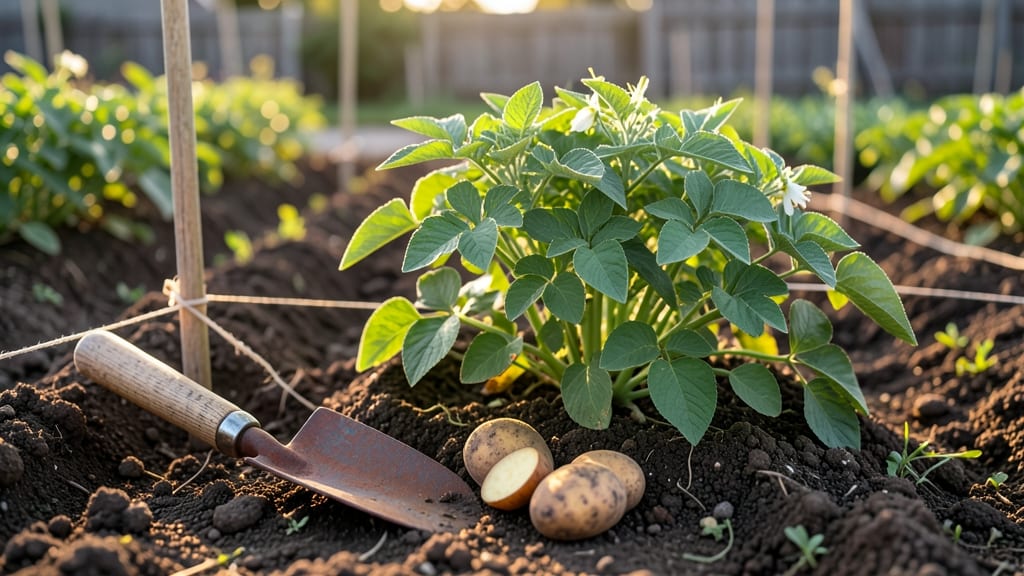
To learn how deep to plant seed potatoes correctly means burying them 4–6 inches below soil level, with the eyes facing up—this simple step can double your harvest.
Planting seed potatoes 🥔 at the wrong depth can stunt growth, weaken stems, or even kill your crop—but getting it right is simpler than you think. Too shallow, and the tubers turn green (toxic solanine); too deep, and you delay emergence and risk rot.
The 4–6 inch rule works for most varieties, but soil type and climate tweak the formula.
Why does depth matter so much? The answer lies in how stems develop and how tubers form underground. Planting too close to the surface exposes potatoes to light, while burying them too deep slows sprouting. The key is balancing airflow, moisture, and stem strength for a stronger, healthier crop.
In this guide, I’ll break down exact planting depths by variety, soil adjustments for clay or sandy ground, and pro tips to avoid common mistakes. Whether you’re a beginner or a seasoned gardener, these steps will help you grow potatoes like a pro.
Exact planting depths for seed potatoes by variety (inches guide)
Getting the planting depth right for your seed potatoes is one of the easiest ways to ensure a bountiful harvest. Most varieties thrive when planted 4–6 inches deep, but the exact depth depends on your potato variety and soil type.
Too shallow, and you risk green tubers (from sunlight exposure); too deep, and you delay growth. Let’s break it down by variety type so you can plant with confidence.
For early-season varieties like Red Norland or Yukon Gold, aim for the shallower end of the range—3–4 inches deep.
These potatoes mature quickly and benefit from faster sprouting. Mid-season varieties, such as Kennebec or Russet, prefer the standard 4–6 inches depth, while late-season varieties like Fingerlings or Purple Peruvian can handle 5–7 inches to protect their tubers from early harvests.
Your soil type also plays a critical role. In sandy soil, which drains quickly, plant 1–2 inches deeper to retain moisture around the tubers. Conversely, in clay soil, which holds too much moisture, plant 1 inch shallower and mound soil around stems to improve airflow.
These adjustments prevent rot and encourage strong stem development.
| Potato Variety Type | Recommended Depth (Inches) | Soil Adjustments | Why This Depth Works |
|---|---|---|---|
| Early Varieties (Red Norland, Yukon Gold) | 3–4 inches | Sandy: +1 inch; Clay: -1 inch | Faster sprouting for quick harvests |
| Mid-Season (Kennebec, Russet) | 4–6 inches | Standard for most soils | Balances growth and tuber protection |
| Late Varieties (Fingerlings, Purple Peruvian) | 5–7 inches | Clay: +1–2 inches; Sandy: standard | Protects tubers from early harvest stress |
| New Potatoes (e.g., Red Bliss) | 2–3 inches (shallow) | Loose, well-drained soil only | Encourages early, small tubers |
| Container-Grown (All Varieties) | 4–5 inches (with 12+ inches pot depth) | Use lightweight potting mix | Prevents overcrowding in limited space |
If you’re chitting your seed potatoes (pre-sprouting indoors), plant them 1 inch shallower than usual—around 2–3 inches deep. The sprouts are delicate and need less soil coverage to avoid breaking.
Conversely, if your soil is rocky or compacted, plant 1 inch deeper to give roots room to establish without obstruction.
One common mistake is ignoring the eyes-up rule: always plant with the sprout side facing up. This ensures the stem grows toward the surface, not sideways. For organic gardeners, add a handful of compost to the planting hole to boost early growth without overfeeding.
For container gardening, depth matters even more. Use pots with at least 12 inches of soil depth and plant your seed potatoes 4–5 inches down. This mimics in-ground conditions and prevents tubers from crowding the pot’s bottom.
If you’re growing in heavy clay, consider mixing in peat moss or perlite to improve drainage.
Pro tip: Use a ruler or dibber to measure planting depth precisely. This small step eliminates guesswork and ensures consistent results across your entire potato patch. Once planted, keep the soil moist but not soggy—this is key to preventing rot and encouraging strong tuber formation.
Remember, the goal is to create an environment where your potatoes can grow upward and downward without stress. With the right depth, you’ll see healthier stems, larger tubers, and fewer issues like greening or blight. Happy planting! 🥔
How to adjust planting depth for soil conditions and climate
Your seed potatoes need the right depth to thrive, but soil conditions and climate can change what works best. In well-draining soil, a standard 4-6 inch depth is ideal for most varieties. However, heavy clay or sandy soil may require adjustments to prevent rot or poor tuber formation.
Climate also plays a role: cooler regions benefit from slightly deeper planting (5-6 inches) to protect young sprouts from frost, while warmer climates can handle shallower depths (3-4 inches) to encourage faster emergence. Containers add another layer—shallow-rooted varieties need extra care to avoid overcrowding.
⚠️ Critical Depth Mistakes to Avoid
Planting too shallow (under 3 inches) exposes tubers to light, turning them green and toxic (from solanine). Planting too deep (over 8 inches) delays sprouting, weakens stems, and invites disease from poor airflow. In heavy clay soil, plant 1-2 inches deeper and mound soil around stems as they grow to prevent waterlogging.
For container gardening, use 5-gallon pots with 4-5 inch depths and ensure drainage holes are present. In-ground planting in sandy soil? Add compost or peat moss to retain moisture without suffocating roots. Always position seed potatoes with eyes facing up—this ensures stronger sprouting and better tuber development.
Climate zones matter too: Northern gardeners (USDA Zones 3-5) should plant 5-6 inches deep to shield sprouts from late frosts, while Southern growers (Zones 7-10) can go shallower (3-4 inches) to avoid overheating.
If your area has poor drainage, raise beds or use gravel layers to prevent rot.
After planting, mound soil around stems (a technique called earthing up) every 2-3 weeks to encourage more tuber formation. This works especially well in loamy soil where roots can spread freely. Skip this step in sandy soil, where tubers may already be forming too close to the surface.
Pro tip: Test your soil’s drainage before planting. Fill a hole with water—if it drains in under 2 hours, your soil is ideal. If it takes longer than 4 hours, amend with perlite or coarse sand to improve airflow.
Adjust depths based on these results for the best harvest.