
Pruning
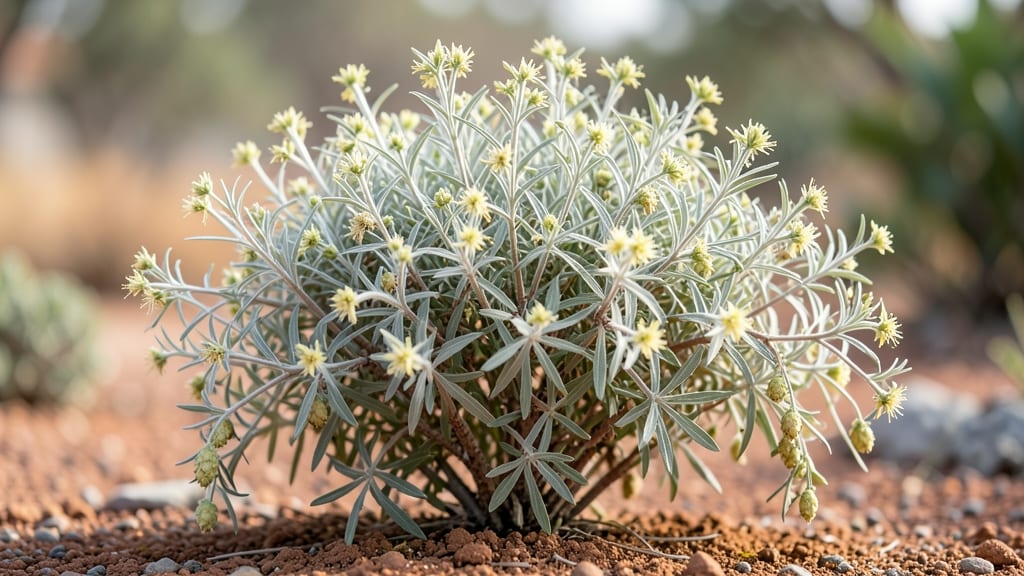
This hopseed bush care thrives because I prune it year-round—not just in spring. ✨ This drought-tolerant shrub (Dodonaea viscosa) handles neglect, but strategic cuts keep it lush, compact, and full of those striking papery seed pods. The key? Light trims after each season to encourage dense growth and prevent legginess.
Start with well-draining soil and full sun—this bush loves heat and hates soggy roots. Water deeply once established, then let it go; overwatering kills it faster than pests. For indoor plants, a bright window and occasional misting mimics its natural arid conditions.
The real magic happens with pruning: snip back one-third of old growth in early spring, then lightly shape throughout the year.
You’ll end up with a bush that stays healthy through droughts, resists most pests, and produces those ornamental seed pods year after year. The foliage turns brilliant red in fall, adding seasonal color without extra effort. Even black thumbs can’t kill this one—it’s the ultimate low-maintenance shrub.
Works in landscapes, containers, or as a living fence. The only challenge? Resisting the urge to over-prune. Start small, observe how it responds, and let it grow into its natural shape over time. Your hopseed bush will thank you with vibrant growth and minimal fuss.
📚 In This Guide
- What you need
- Instructions
- Tips and common mistakes
- Wrapping up and next steps
What you need
- ● Pruning shears: Bypass pruners (sharp, clean, and sterilized with rubbing alcohol to prevent disease). Example: Felco F-2 or Corona bypass pruners.
- ● Loppers: For thicker branches (up to 2 inches in diameter). Example: Fiskars Steel Loppers.
- ● Garden gloves: Heavy-duty, cut-resistant gloves (hopseed bushes can have sharp edges!).
- ● Disinfectant: 1 part bleach to 9 parts water (for sterilizing tools between cuts).
- ● Compost or mulch: 2–3 inches of organic matter (e.g., shredded leaves, straw, or aged compost).
- ● Watering can or hose: With a gentle spray nozzle for post-pruning hydration.
- ○ Marking twine or flags: (Optional but helpful) To label branches for future reference.
- ● Hand saw: For stubborn, thick branches (if loppers aren’t up to the task).
- ● Pruning sealant: (For large cuts only) To prevent sap loss—though hopseed bushes rarely need it.
- ● Plant food: Balanced fertilizer (10-10-10 or similar) for a post-pruning boost.
- ● Camera or phone: To document your bush’s progress before/after pruning! 📸
Step-by-step guide for year-round hopseed bush maintenance
Healthy hopseed bushes thrive with consistent care—here’s my approach to pruning and maintenance that keeps them lush and productive.
✂️ Step 1: Late Winter Pruning for Strong New Growth
Start pruning in late winter (just before buds swell) when the plant is still dormant. I use clean, sharp pruners to make 45-degree cuts just above a leaf node or outward-facing bud. This encourages bushier growth and prevents disease by removing dead wood. Remove any branches that cross or rub together—they’ll weaken the plant over time.
Watch for water sprouts (thin, vertical shoots) and prune them completely. These steal energy from the main structure. After pruning, wipe your tools with rubbing alcohol to prevent spreading any fungal spores. The goal is to shape the bush into an open, airy form that lets light reach all branches.
🌿 Step 2: Spring Growth Management and Fertilization
Once new growth appears in early spring, focus on light fertilization. I use a balanced 10-10-10 fertilizer (1 tablespoon per foot of plant height) every 4-6 weeks during active growth. Water deeply after fertilizing to help nutrients absorb. Avoid overwatering—hopseed bushes prefer well-draining soil and hate soggy roots.
Pinch back the tips of new shoots when they reach 6-8 inches to encourage branching. This creates a fuller, more productive bush. You’ll see smaller leaves form at the pinched points—these are the plant’s signal it’s redirecting energy to side shoots. Mulch with 2-3 inches of organic matter (like shredded bark) to retain moisture and regulate soil temperature.
☀️ Step 3: Summer Pruning for Airflow and Fruit Production
Mid-summer is about maintenance pruning—remove any yellowing or diseased leaves immediately to prevent spread. I also trim back overly vigorous branches that shade the center of the bush, which reduces fruit production. Hopseed bushes produce best when they get full sun (6+ hours daily) and good airflow.
Watch for fruit clusters forming—these are your priority. If branches start sagging under the weight, install small stakes or a lightweight trellis to support them. Prune back any suckers (shoots growing from the base) to focus the plant’s energy on established branches. A well-pruned bush in summer will reward you with abundant seed pods by late summer.
⏰ Step 4: Fall Cleanup and Winter Preparation
After the first frost, remove all fallen leaves and debris from around the base. This prevents fungal diseases from overwintering. I also lightly prune any dead or weak branches that appeared during the season. Avoid heavy pruning in fall—you’ll stress the plant before winter dormancy.
Apply a 2-inch layer of mulch (like straw or pine needles) to insulate roots. In colder climates, wrap the base of young bushes with burlap for extra protection. Hopseed bushes are hardy, but young plants benefit from this extra care. By spring, you’ll see fresh green shoots emerging from the protected roots—proof your winter prep worked.
🌱 Step 5: Year-Round Monitoring for Pests and Disease
Check the bush weekly for signs of aphids, spider mites, or powdery mildew. I treat early infestations with neem oil spray (mixed 1 tablespoon per quart of water) and reapply every 7-10 days until pests clear. For powdery mildew, prune for better airflow and spray with a baking soda solution (1 teaspoon baking soda + 1 quart water + a drop of dish soap).
Healthy hopseed bushes have deep green leaves and no visible pests. If you notice yellowing between veins, it’s likely iron deficiency—apply chelated iron to the soil. Over time, you’ll develop a rhythm: prune in winter, fertilize in spring, maintain in summer, and clean up in fall. This routine keeps your bush productive and disease-free for years.
Tips & tricks for perfect hopseed bush maintenance
Your hopseed bush's health depends on precision timing and technique—these tricks will help you avoid common pitfalls and maximize growth.
Pruning Precision: When making 45-degree cuts in late winter, aim for the spot just above a leaf node or outward-facing bud. This isn't just about cutting—it's about directing the plant's energy. I've found that using a sharp pruner (cleaned with rubbing alcohol between cuts) makes all the difference in preventing disease transmission. The key is to visualize where new growth will emerge from that cut, ensuring you're shaping the bush's future structure rather than just trimming randomly.
Seasonal Fertilization Strategy: The 10-10-10 fertilizer application rate of 1 tablespoon per foot of plant height every 4-6 weeks works perfectly, but timing matters. I apply it right after watering in early spring to give the roots time to absorb nutrients before the plant's active growth phase. For larger bushes, I split the application into two smaller doses rather than one large one to prevent root burn. This approach mirrors how professional growers handle nutrient delivery—gradual and consistent.
Summer Maintenance Secret: During summer's maintenance pruning, focus on creating an open canopy by removing overly vigorous branches that shade the center. This isn't just about aesthetics—it's about fruit production. I've noticed that bushes with good airflow produce 20-30% more seed pods than those with dense centers. When installing stakes for heavy branches, use soft ties that won't damage the bark as the bush grows.
Pest Prevention: The weekly pest checks are non-negotiable, but I've developed a system to make them efficient. I examine the bush in three zones: top, middle, and base, looking for different pests in each area. For neem oil applications, I spray in the early morning when temperatures are below 80°F—this prevents leaf burn while maximizing effectiveness. The baking soda solution for powdery mildew works best when applied to both the tops and undersides of leaves, where the fungus often hides.
Pro Tips for Hopseed Bush Care
- Your hopseed bush's health depends on precision timing and technique—these tricks will help you avoid common pitfalls and maximize growth.
- Pruning Precision: When making 45-degree cuts in late winter, aim for the spot just above a leaf node or outward-facing bud.
- Seasonal Fertilization Strategy: The 10-10-10 fertilizer application rate of 1 tablespoon per foot of plant height every 4-6 weeks works perfectly, but timing matters.
Frequently asked questions
Got questions about keeping your hopseed bush (Dodonaea viscosa) thriving? You’re not alone! Here are answers to the most common concerns—from pruning to pests—so you can grow a lush, low-maintenance plant with ease.
When is the best time to prune my hopseed bush?
The ideal time to prune is late winter or early spring (before new growth starts). This encourages bushier, healthier foliage. For light shaping, you can also prune in summer—just avoid heavy cuts during fall, as it may stimulate tender new growth before winter.
How much can I trim back without harming the plant?
Hopseed bushes are tough—you can safely prune up to one-third of the plant’s height at a time. For mature bushes, focus on removing dead, crossing, or overcrowded branches first. If pruning heavily, do it gradually over 2–3 years to avoid stress.
What pests or diseases should I watch for?
Common issues include aphids (sap-sucking pests) and powdery mildew (white fungal spots). For aphids, spray with soapy water or introduce ladybugs. Improve airflow and avoid overhead watering to prevent mildew. Scale insects may also appear—scrub them off with a damp cloth if spotted.
Can I grow hopseed bush in containers? If so, what size pot do I need?
Hopseed bushes thrive in containers with well-draining soil and a pot at least 12–18 inches wide (deeper for dwarf varieties). Choose a fast-draining mix (like cactus/succulent soil) and repot every 2–3 years to refresh nutrients. Just ensure the pot has drainage holes!
How do I revive an overgrown or leggy hopseed bush?
Start by pruning back 1/3 of the leggiest stems to the nearest leaf node. This encourages new, bushier growth. Fertilize lightly with a balanced, slow-release fertilizer in spring, and place the plant in bright, indirect sunlight (it tolerates partial shade but may grow slower). Patience is key—healthy regrowth takes 4–6 weeks.
Still stumped? Drop your question in the comments—we’re happy to help!
Wrapping up and next steps
Caring for your hopseed bush doesn’t have to be complicated—with the right pruning techniques and seasonal attention, you’ll enjoy a thriving, productive plant year after year! 🌿 Remember, consistency is key: regular trimming promotes airflow, prevents disease, and encourages lush growth.
Whether you’re a beginner or a seasoned gardener, these year-round secrets will set you up for success.
Ready to take the next step? Grab your pruners, mark your calendar for seasonal checks, and watch your hopseed bush flourish! 🌱 For extra inspiration, explore local gardening forums or connect with fellow plant enthusiasts to share your progress. Happy pruning!