
Lawn
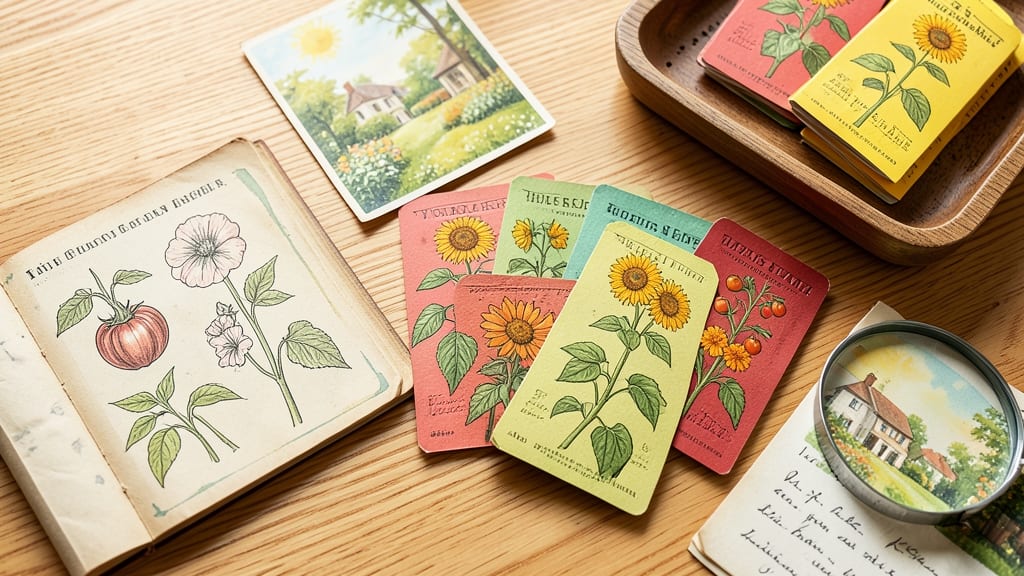
Flipping through garden seed catalogs in January feels like opening a door to summer—except the varieties you find here are the ones that will actually thrive in your yard. 🌱 I’ve used these catalogs for years to source grass types that outperform store-bought blends, and the right one can turn your lawn from "meh" to "showpiece" within a growing season.
The best catalogs—like Baker Creek for heirloom grasses or Burpee for disease-resistant blends—offer detailed growing zones, sunlight needs, and even drought tolerance ratings. You’ll skip the guesswork of seed bags at the big-box store and get exactly what your climate and lawn goals demand.
My favorite? Seed Savers Exchange for rare, hardy varieties that stand up to local pests.
By late spring, you’ll be rolling out lush, uniform grass that stays green through heatwaves and recovers from foot traffic like a pro. The secret? Matching seed types to your yard’s specific challenges—whether that’s shade, heavy foot traffic, or poor soil.
Catalogs even include planting depth charts and germination timelines, so you’ll know exactly when to plant for that perfect summer lawn.
Pro tip: Bookmark your top picks now—many catalogs release new varieties in early January, and the best ones sell out fast. Whether you’re fixing bare patches or starting a whole new lawn, these catalogs are your first step to grass that makes neighbors stop and stare.
📚 In This Guide
- What you need
- Instructions
- Tips and common mistakes
- Wrapping up and next steps
What you need
- ● Seed Catalogs: 3–5 high-quality catalogs (e.g., Burpee, Park Seed, or Johnny’s Selected Seeds)—focus on lawn-specific varieties like Kentucky Bluegrass, Fescue, or Bermuda.
- ● Notebook & Pen: 1 for tracking seed varieties, quantities, and planting dates.
- ○ Printer (optional): If you prefer physical copies of seed listings over digital.
- ● Highlighters/Sticky Notes: 2–3 colors to mark favorites, notes, or deadlines.
- ● Measuring Tape: 1 (25–50 ft) to calculate lawn square footage for seed estimates.
- ● Calculator: 1 (for seed coverage math—most lawn seeds require 8–12 lbs per 1,000 sq ft).
- ● Garden Gloves: 1 pair (nitrile-coated for durability).
- ● Seed Starting Supplies (if direct-sowing isn’t an option): Biodegradable seedling pots (50–100 count).
- ● Potting mix (1–2 bags, sterile and seed-specific).
- ● Spray bottle (for gentle watering).
- ○ Lawn Soil Test: Optional but recommended! Use a DIY test kit (e.g., Luster Leaf) or send a sample to your local Cooperative Extension Service for pH/nutrient analysis.
- ● Budget: Set aside $50–$200 for seeds, tools, and amendments (varies by lawn size and seed type).
- ● Weather Check: Review your USDA Hardiness Zone (find it here)—cold-hardy vs. warm-season seeds matter!
- ● Sunlight Map: Sketch your lawn’s sunlight exposure (full sun, partial shade, etc.) to match seeds to zones.
- ● Local Regulations: Check for noxious weed restrictions or native plant incentives in your area.
How to choose the best garden seed catalogs for your lawn
Here’s how to pick seed catalogs that’ll deliver the perfect mix of hardy grasses for your climate and style.
📜 Step 1: Identify Your Climate Zone and Lawn Needs
Start by checking your USDA Hardiness Zone—this tells you which grasses will thrive year-round. Cool-season grasses like Kentucky bluegrass or fescue love zones 3-7, while warm-season types like Bermuda or Zoysia dominate 8-10. I always cross-reference the catalog’s recommended zones with my local weather to avoid disappointment.
Next, decide on your lawn’s purpose: high-traffic family space needs tough, dense grasses like tall fescue, while low-maintenance shade areas might call for fine fescue. Catalogs often label varieties by use—look for terms like “drought-tolerant,” “pet-friendly,” or “slow-growing” to narrow your search.
🌱 Step 2: Compare Seed Quality and Catalog Reputation
Not all seed catalogs are created equal. I prioritize those with certified organic seeds or non-GMO guarantees if that matters to you. Look for reviews or testimonials—catalogs like Johnny’s Selected Seeds or Park Seed consistently earn praise for germination rates and purity. Avoid fly-by-night operations with vague descriptions or no customer service contact.
Pay attention to seed purity percentages listed in the catalog. A 98% pure batch means only 2% could be weeds or contaminants. Also, check if they offer seed-saving options—some catalogs let you return unused packets for credit, which saves money for next year’s order.
☀️ Step 3: Evaluate Grass Variety Options and Mixes
Single-species lawns (like 100% Kentucky bluegrass) look uniform but struggle in poor conditions. Instead, opt for pre-mixed blends—these combine grasses for resilience. For example, a fescue blend might include creeping red fescue (shade-tolerant) and chewing fescue (drought-resistant). Catalogs often label blends by climate or sunlight needs, so match yours exactly.
Watch for seed weight vs. coverage rates. A 5-pound bag of one grass might cover 1,000 sq ft, while another covers 2,500 sq ft. Calculate your lawn’s square footage first—most catalogs include a coverage calculator on their websites to help. I always order 10% extra to account for uneven spreading or patchy areas.
⏰ Step 4: Check Ordering Deadlines and Shipping Details
Seed catalogs often have early-bird discounts or limited quantities—some varieties sell out by spring. Note the last ordering date (usually January-February) and shipping windows. I set calendar reminders to order by December 15 to avoid last-minute stress. Also, confirm if they ship to your zone—some catalogs restrict orders to certain regions.
Review shipping policies carefully. Standard shipping might take 7-10 days, but express options could double the cost. Catalogs like Burpee offer free shipping over $50, so plan your order size accordingly. If you’re planting in early spring, factor in planting timing—cool-season grasses need to be in the ground 4-6 weeks before your last frost date.
💡 Step 5: Look for Bonus Resources and Support
The best catalogs go beyond seeds—they include planting guides, fertilizer recommendations, and even video tutorials. Seed Savers Exchange offers historical varieties with deep-rooted growing tips, while Richters provides soil amendment advice tailored to your grass type. Bookmark these resources before ordering to maximize your lawn’s success.
Finally, check if the catalog offers customer support for troubleshooting. Some provide free lawn health assessments via email or phone. I’ve used Park Seed’s helpline to diagnose brown patches in my lawn—turns out it was fungus, not drought. Their planting charts also show month-by-month care, which I print and tape to my fridge as a reminder.
Tips & tricks for perfect lawn seed selection
Finding the right seed catalog can transform your lawn from ordinary to extraordinary—here’s how to make the best choices without the guesswork.
Climate Zone Cross-Check: Don’t just rely on the catalog’s USDA zone recommendations—verify your exact zone using the USDA Plant Hardiness Map and compare it with the catalog’s grass variety notes. I’ve learned the hard way that a catalog might list a grass as suitable for zone 6, but my microclimate (like a shady north side) needs something more shade-tolerant. Look for catalogs that offer localized growing guides—these often include microclimate adjustments that standard zone maps miss.
Grass Blend Strategy: When evaluating pre-mixed blends in Step 3, pay special attention to the percentage breakdown of each grass type. A blend labeled "70% Kentucky bluegrass, 20% fescue, 10% ryegrass" gives you a completely different resilience profile than one with equal parts. I always aim for blends with at least 30% fescue—it’s more drought-resistant and handles foot traffic better than pure bluegrass. Also, check if the catalog specifies seed weight per variety in the blend, not just total weight.
Ordering Deadline Hack: The December 15 ordering reminder in Step 4 is critical, but here’s what nobody tells you—some catalogs offer early access for repeat customers. Create accounts with your top 2-3 catalog choices now so you’re first in line when early-bird discounts drop in November. I’ve saved up to 20% off by getting my account set up early, and the catalogs often send exclusive previews of new varieties to loyal customers.
Bonus Resource Goldmine: In Step 5, the planting guides and fertilizer recommendations are invaluable, but don’t overlook the customer support options. I’ve had catalogs like Johnny’s Selected Seeds provide free soil test kits with orders over $75—this tells you exactly what amendments you’ll need before planting. Also, check if they offer seasonal care calendars that sync with their seed varieties. These often include mowing height recommendations tailored to specific grass types, which can save you from scalping your lawn.
Pro Tips for Garden Seed Catalogs
- Finding the right seed catalog can transform your lawn from ordinary to extraordinary—here’s how to make the best choices without the guesswork.
- Climate Zone Cross-Check: Don’t just rely on the catalog’s USDA zone recommendations—verify your exact zone using the USDA Plant Hardiness Map and compare it with the catalog’s grass variety notes.
- Grass Blend Strategy: When evaluating pre-mixed blends in Step 3, pay special attention to the percentage breakdown of each grass type.
Frequently asked questions
Got questions about ordering seeds from catalogs? Here are some common ones—and their answers—to help you get started!
When is the best time to order seeds from a catalog?
The ideal time depends on your climate and plant type. For cool-season grasses (like Kentucky bluegrass or fescue), order in early spring (March–April) or late summer (July–August). Warm-season grasses (like Bermuda or Zoysia) should be ordered in late winter (January–February). Check the catalog’s planting chart for specifics!
How long does shipping take for garden seed orders?
Shipping times vary by catalog and location. Most standard orders arrive in 5–10 business days, while expedited shipping (if available) can take 2–5 days. Rural areas or international orders may take longer. Always check the catalog’s website for real-time updates before placing your order.
Are seed catalogs more expensive than big-box stores?
Not necessarily! While some specialty seeds or heirloom varieties may cost more, many catalogs offer bulk discounts or free shipping on larger orders. Compare prices per pound—you might find better value in catalogs for high-quality lawn seed blends or organic options.
What if my seeds arrive damaged or expired?
Most reputable catalogs guarantee fresh, viable seeds. If you receive damaged or expired seeds, contact customer service immediately—many offer replacements or refunds. Always store seeds in a cool, dry place until planting to maintain quality.
Can I order seeds online if I’m not in the U.S.?
Yes! Many catalogs ship internationally, but check their shipping policies first—some restrict certain seeds due to local regulations. Shipping costs may be higher, and customs delays can happen. Look for catalogs with global shipping options or ask about local distributors.
Still unsure? Reach out to the catalog’s customer service—they’re usually happy to help!
Wrapping up and next steps
Garden seed catalogs are your gateway to a lush, vibrant lawn that’s the envy of the neighborhood! Whether you’re drawn to drought-resistant grasses, low-maintenance blends, or ornamental varieties, the right seeds can transform your outdoor space into a thriving oasis. 🌱
Now that you’ve explored expert picks and tips, it’s time to take action! Start small—order a few seed packets, test them in a patch of your lawn, and let your green thumb grow. Happy gardening, and may your lawn be as rewarding as the journey to get there! 🌟