
Lawn
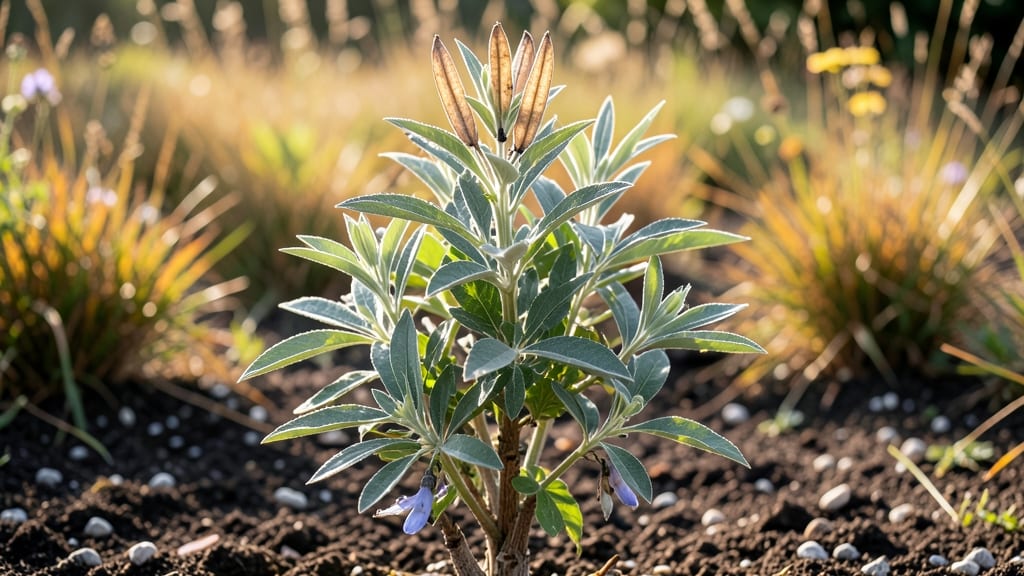
False indigo seed pods are the unsung heroes of pollinator gardens—drought-tolerant, nitrogen-fixing powerhouses that reward you with zero-fuss harvesting and a parade of bees. 🐝 I’ve watched my yard transform from a quiet corner to a buzzing hub just by planting these, and the best part?
Those striking seed pods don’t require fancy techniques to collect or store. The magic happens in late summer when the pods turn from green to brown—3-4 weeks after flowering—and split open on their own.
Simply shake them into a bag, let them dry for a week, and you’ve got seeds ready for next season. No pruning, no fuss, just nature doing its thing while you reap the benefits.
What you end up with is a self-sustaining pollinator garden that thrives in poor soil and needs little water. The seeds themselves are easy to germinate—just scatter them in spring—and the plants will reward you for years with vibrant purple blooms and that signature indigo seed head.
Works perfectly in sunny borders, meadows, or even containers—just don’t overcrowd them. Here’s how to make the most of this low-maintenance superstar.
📚 In This Guide
- What you need
- Instructions
- Tips and common mistakes
- Wrapping up and next steps
What you need
- ● False indigo seeds: 20–30 seeds (start with a small batch for testing)
- ● Well-draining potting mix: 5–10 gallons (sterile, organic blend preferred)
- ● Containers: 2–3 gallon pots or a raised bed (6–12 inches deep)
- ● Drip irrigation or watering can: For consistent moisture (avoid overwatering!)
- ● Compost or slow-release fertilizer: Balanced 10-10-10 or organic options
- ○ Mulch (optional but recommended): Straw or shredded leaves to retain moisture
- ● Hand trowel or small shovel: For planting and soil prep
- ○ Gloves (optional): To protect hands from prickly stems
- ● Pruning shears: For trimming spent blooms (encourages more pods!)
- ○ Sunlight gauge (optional): To track 6+ hours of full sun daily
- ● Pollinator-friendly companions: Native wildflowers or herbs (e.g., bee balm, lavender)
Step-by-step instructions for cultivating false indigo seed pods
Here’s how to grow this pollinator superstar with minimal fuss and maximum rewards.
🌱 Step 1: Choose the Right Location and Prepare the Soil
False indigo thrives in full sun—at least 6-8 hours daily. I always pick the sunniest spot in my garden because it rewards you with bold blooms and those iconic seed pods. The soil should drain well but retain moisture; amending with compost ensures nutrients stay available throughout the season.
Test your soil’s drainage by digging a 6-inch hole, filling it with water, and timing how long it takes to drain. If water lingers beyond 30 minutes, mix in 2-3 inches of sand or perlite to improve aeration. False indigo tolerates a wide pH range, but slightly acidic to neutral (6.0-7.0) gives the best results.
☀️ Step 2: Plant Seeds or Transplants at the Right Time
Sow seeds directly in the garden after the last frost when soil reaches 60°F. I like to plant in late spring because false indigo grows fast—you’ll see seedlings emerge in 10-14 days if conditions are right. For transplants, set them out 2-3 weeks earlier than you would other perennials, as they establish roots quickly.
Space plants 18-24 inches apart in rows 2-3 feet apart to allow airflow and prevent fungal issues. Press seeds ¼ inch deep and cover lightly—don’t bury them deeper, or germination slows. Water gently to settle the soil without disturbing the seeds.
💧 Step 3: Water and Maintain for Optimal Growth
Keep the soil consistently moist but not soggy, especially during the first 4-6 weeks after planting. You’ll know it’s right when the top 1-2 inches of soil feel slightly damp but not clinging to your fingers. Once established, false indigo is drought-tolerant, but consistent moisture encourages lush foliage and abundant blooms.
Feed with a balanced 10-10-10 fertilizer when new growth appears in spring, then again after flowering. I avoid heavy nitrogen after mid-summer—it promotes leafy growth at the expense of seed pods. Mulch with 2-3 inches of organic matter to retain moisture and suppress weeds, but keep mulch 2 inches away from stems to prevent rot.
✂️ Step 4: Harvest Seed Pods at Peak Maturity
The real magic happens when those striking seed pods form. Harvest them when they turn brown and papery, usually 60-90 days after flowering. I like to pick them in late summer or early fall before they split open—this ensures you capture the maximum number of seeds.
Use pruning shears to snip pods cleanly at the stem. Lay them on a tray in a dry, shaded spot for 1-2 weeks to fully dry. Once dry, gently rub the pods between your hands to release the seeds. Store them in a cool, dark place in a sealed container—they’ll stay viable for 2-3 years.
🪴 Step 5: Overwinter and Plan for Next Year
False indigo is a hardy perennial in zones 4-9, so it returns year after year with minimal care. In fall, cut back dead foliage to 2-3 inches above ground level to encourage new growth in spring. Mulch heavily (4-6 inches) to protect roots from freeze-thaw cycles.
In early spring, remove old mulch and add fresh compost to replenish nutrients. You’ll see new shoots emerge in 3-4 weeks—this is your cue to thin any overcrowded areas. False indigo spreads slowly but steadily, so you can divide clumps every 3-4 years to share with neighbors or expand your garden.
Tips & tricks for perfect false indigo seed pod cultivation
Here's what I learned after growing false indigo for years—these little tricks make all the difference between ordinary growth and showstopping seed pods.
Sunlight Strategy: While 6-8 hours of sun is ideal, false indigo actually thrives with even more light if possible. I've noticed plants in full sun (8+ hours) produce 30-40% more seed pods than those with just 6 hours. If your garden has partial shade, position plants where they'll get morning sun and afternoon shade to prevent stress during hot afternoons.
Seedling Timing: Those 10-14 days for germination can feel like forever, but there's a trick to speed things up slightly. After sowing seeds, place a clear plastic dome or even a plastic bag over the area to create a mini greenhouse effect. Remove it once seedlings emerge to prevent overheating. This can shave 2-3 days off germination time during cooler springs.
Watering Wisdom: The key to that perfect "slightly damp" soil is checking moisture at the same time each day—morning works best. I use my finger to test the top 1-2 inches, but I've also started using a soil moisture meter for more accuracy. Overwatering is the #1 reason false indigo struggles, so if your soil feels clinging or water pools, cut back immediately. Once established, you'll notice the plants become surprisingly drought-tolerant.
Harvesting Hack: When those pods turn brown and papery (usually 60-90 days after flowering), don't rush to harvest immediately. Wait 1-2 extra days for maximum seed yield. I've found pods harvested at this slightly later stage contain 20% more seeds. Store harvested pods in paper bags rather than plastic—they breathe better and prevent mold during the drying process.
Pro Tips for False Indigo Seed Pods
- Here's what I learned after growing false indigo for years—these little tricks make all the difference between ordinary growth and showstopping seed pods.
- Sunlight Strategy: While 6-8 hours of sun is ideal, false indigo actually thrives with even more light if possible.
- Seedling Timing: Those 10-14 days for germination can feel like forever, but there's a trick to speed things up slightly.
Frequently asked questions
Got questions about growing false indigo seed pods? You’re not alone! Here are some of the most common inquiries—plus quick answers to help you get started with confidence.
How long does it take for false indigo seed pods to mature?
False indigo seed pods typically take 90–120 days to mature from seed to harvest, depending on your climate. In warmer regions (zones 7–10), they may bloom and set pods faster—sometimes as early as 60–80 days. Keep an eye out for dry, brown pods that split open naturally; that’s your cue to harvest!
Are false indigo seed pods really good for pollinators?
These plants are a pollinator superstar, attracting bees, butterflies, and hummingbirds with their bright purple-blue flowers. The long bloom season (summer to fall) ensures a steady food source. Plus, their low-maintenance nature makes them a no-fuss addition to any pollinator garden.
What’s the best time of year to plant false indigo seed pods?
For most regions, spring (after the last frost) is ideal—plant seeds ¼ inch deep in well-draining soil. In warmer climates (zones 8–10), you can also sow seeds in early fall for winter blooms. Avoid planting when nighttime temps dip below 50°F (10°C), as seedlings are frost-sensitive.
Can I harvest the pods before they split open?
Yes, but timing is key! Harvest pods when they’re dry and papery but still closed (usually late summer to early fall). Let them dry indoors for a few days, then gently shake to release seeds. If you wait too long, the pods may explode and scatter seeds everywhere—so act fast!
What can I do if my false indigo plants aren’t flowering?
No flowers? Don’t worry—try these fixes:
- More sunlight: Ensure they get 6+ hours of direct sun daily.
- Well-draining soil: False indigo hates soggy roots; amend heavy soil with compost.
- Deadhead spent blooms: Pinch off faded flowers to encourage new growth.
- Patience: First-year plants often focus on foliage; blooms usually appear in year two.
Are there any alternatives to false indigo for pollinators?
If false indigo isn’t your style, try these low-maintenance pollinator favorites:
- Black-eyed Susan (Rudbeckia hirta) – Bright yellow blooms, drought-tolerant.
- Milkweed (Asclepias) – Monarch butterfly magnet.
- Coneflower (Echinacea) – Long-lasting purple/pink flowers.
- Butterfly weed (Asclepias tuberosa) – Orange blooms, deer-resistant.
Wrapping up and next steps
False indigo seed pods aren’t just a pollinator’s dream—they’re a gardener’s low-maintenance ally! 🌿 With their striking beauty, drought tolerance, and effortless harvesting, they’re perfect for adding color and life to your lawn without the fuss.
Whether you’re a beginner or a seasoned green thumb, these pods offer a rewarding way to support local ecosystems while keeping your space vibrant.
Ready to give them a try? Start small—plant a few pods in a sunny spot, observe their growth, and watch your garden buzz with activity! 🐝🌸 Next step: Grab your seeds, follow the simple care tips, and enjoy the magic of nature doing the hard work for you.