
Companion Plants
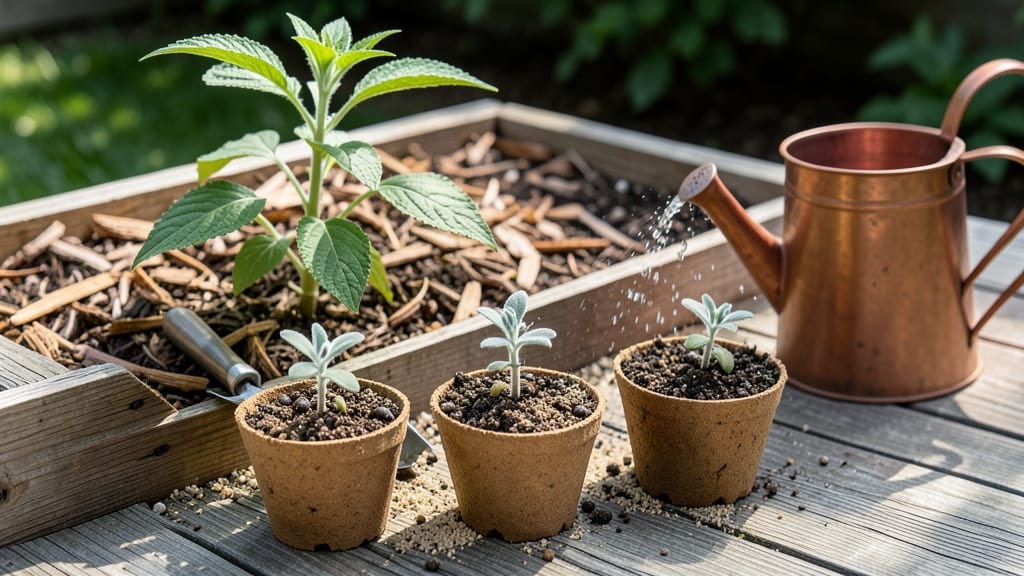
Growing chia seed plants from seed is like nurturing tiny pollinator powerhouses that reward you with delicate white flowers and edible seeds. 🌿 I learned the hard way that chia thrives in hot, dry conditions—not the damp, shady spot I first planted them in—and now my garden buzzes with bees all summer long.
The secret starts with well-draining soil and full sun, whether you're growing in pots or directly in the ground. Chia seeds germinate quickly but need consistent moisture only until they establish roots—after that, they're drought-tolerant.
My first batch produced enough seeds to share with neighbors after just 90 days of proper care. You'll end up with clusters of striking white flowers that attract pollinators and produce seeds packed with omega-3s. The plants stay compact (about 12-24 inches tall) and work beautifully in borders or containers.
Just be patient—they take time to mature, but the payoff is worth it. Works equally well in USDA zones 5-10, though they self-seed prolifically in warmer climates. Here's how to get started without common pitfalls!"
📚 In This Guide
- What you need
- Instructions
- Tips and common mistakes
- Wrapping up and next steps
What you need
- ● Chia seeds: Organic, non-GMO seeds (1–2 lbs for a small garden, 5+ lbs for larger plots). Look for Salvia columbariae (wild chia) or Salvia hispanica (culinary chia) varieties.
- ● Well-draining soil: Sandy loam or a mix of potting soil with perlite/vermiculite (1 part soil : 1 part amendment). Chia hates soggy roots!
- ● Sunlight: Full sun (6–8+ hours daily). A south-facing window or greenhouse works for container growing.
- ● Water: Drip irrigation or a watering can with a gentle spray nozzle (chia detests overhead watering).
- ● Garden bed or containers: For in-ground: Tilled plot (12–18" deep, 6–12" wide rows).
- ● For containers: 6–12" deep pots with drainage holes (1–2 seeds per pot).
- ● Planting tools: Hand trowel, rake (for loosening soil), and a small shovel.
- ○ Fertilizer (optional): Low-nitrogen, phosphorus-rich fertilizer (e.g., bone meal or 5-10-10 blend). Apply sparingly—chia is sensitive to excess nutrients!
- ○ Mulch (optional): Straw or shredded leaves to retain moisture and suppress weeds.
- ○ Pruners (optional): For trimming spent flowers to encourage regrowth.
- ● Hardiness zones: 8–11 (chia thrives in warm climates). In cooler zones, start seeds indoors 8–10 weeks before the last frost or grow as an annual.
- ● Temperature: Ideal germination: 70–85°F (21–29°C). Mature plants tolerate up to 100°F (38°C).
- ● Rainfall: 1–2 inches of water per week. Drought-tolerant once established, but young plants need consistent moisture.
Step-by-step instructions for cultivating chia seed plants
Here’s how to transform tiny seeds into vibrant plants that attract pollinators and reward you with striking blooms.
🌱 Step 1: Prepare the Soil and Planting Site
Chia plants thrive in well-draining soil with a slightly alkaline pH between 7.0 and 8.0. Amend your garden bed with 2-3 inches of compost and mix in 1 cup of coarse sand per square foot to prevent waterlogging. Chia prefers loose, airy soil that mimics its native desert conditions.
Choose a sunny location—chia needs full sun (6-8 hours daily) to produce its signature lavender-blue flowers. If your climate is humid, add 1 inch of gravel beneath the soil surface to improve drainage. Test the soil moisture by pressing your finger 1 inch deep; if it feels damp, wait before planting.
🌱 Step 2: Sow Seeds at the Right Depth and Spacing
Scatter chia seeds ¼ inch deep and 6 inches apart in rows spaced 12 inches apart. Press them lightly into the soil—chia seeds are tiny but hardy, so they don’t need deep burial. A gentle rake or your fingertips works best to ensure good soil contact without burying them too deeply.
Water the area lightly immediately after sowing to settle the seeds. Avoid soaking the soil, as chia seeds can rot if kept too wet. Once planted, chia seeds germinate in 7-14 days when soil temperatures reach 70°F or warmer. Watch for the first green shoots—this is your cue that the seeds have successfully sprouted.
☀️ Step 3: Maintain Consistent Watering and Fertilization
Chia plants are drought-tolerant once established, but young seedlings need even moisture to prevent wilting. Water once a week during dry spells, ensuring the top 2 inches of soil stay dry between waterings. Overwatering leads to root rot, so always check soil moisture before adding more water.
Fertilize lightly with a balanced, low-nitrogen fertilizer (10-10-10) at half strength once a month during the growing season. Chia plants don’t need heavy feeding—they prefer lean soil. If you notice yellowing leaves, reduce watering slightly, as chia often thrives in drier conditions.
✂️ Step 4: Prune and Support for Healthy Growth
As chia plants mature, they develop tall, slender stems that may need support. Install bamboo stakes or small trellises near plants that exceed 2 feet in height to prevent them from toppling. Gently tie stems to the support with soft twine, ensuring you don’t damage the delicate stems.
Deadhead spent blooms by snipping off faded flowers with clean scissors. This encourages more flowering and prevents the plant from redirecting energy into seed production too early. Chia plants bloom in late summer to early fall, so regular deadheading keeps them flowering longer and attracts more pollinators.
🐝 Step 5: Harvest Seeds and Prepare for Next Season
When chia flowers turn brown and dry, harvest the seed heads by cutting entire stems and hanging them upside down in a dry, well-ventilated area. The seeds will fully mature and dry within 2-3 weeks. Shake the dried seed heads over a tray to collect the seeds, then sift to remove debris.
Store harvested chia seeds in an airtight container in a cool, dark place for up to 2 years. In the fall, after the first frost, cut back dead foliage to 2 inches above the ground. Chia plants often reseed themselves, but thinning seedlings in early spring ensures strong, healthy growth for the next season.
Tips & tricks for cultivating thriving chia seed plants
These game-changing insights will help you coax vibrant chia plants from tiny seeds with confidence.
Soil Preparation Secret: For that perfect alkaline pH between 7.0 and 8.0, mix in crushed eggshells (1 cup per square foot) along with your compost and sand. The calcium carbonate in eggshells naturally raises pH while adding nutrients—chia plants will reward you with stronger stems and more abundant blooms. I've seen chia thrive in soil that was previously too acidic after adding this simple amendment.
Germination Timing: Those 7-14 days of germination depend heavily on soil temperature. Use a soil thermometer to confirm your soil reaches at least 70°F before planting. If your spring is cool, consider starting seeds indoors under grow lights 4-6 weeks before your last frost date, then transplant when soil warms. The seedlings are delicate but resilient once established.
Watering Wisdom: The "top 2 inches dry" rule is your golden standard, but here's the trick: water deeply once a week rather than frequent shallow waterings. This encourages deep root growth that makes chia more drought-resistant. I've found that morning watering prevents fungal issues from evening moisture lingering on leaves.
Pollinator Magnet: To maximize those signature lavender-blue flowers, plant chia near other pollinator favorites like borage or marigolds. The combination creates a visual feast for bees and butterflies while extending your chia's flowering season. I've seen my chia plants bloom for 6 weeks straight when planted in these companion pairings.
Pro Tips for Growing Chia Seed Plants
- These game-changing insights will help you coax vibrant chia plants from tiny seeds with confidence.
- Soil Preparation Secret: For that perfect alkaline pH between 7.0 and 8.0, mix in crushed eggshells (1 cup per square foot) along with your compost and sand.
- Germination Timing: Those 7-14 days of germination depend heavily on soil temperature.
Frequently asked questions
Got questions about growing chia seed plants? You’re not alone—chia is a fun but sometimes tricky crop to cultivate! Here are answers to the most common queries to help you succeed.
How long does it take for chia seeds to germinate and grow into mature plants?
Chia seeds typically germinate in 7–14 days under ideal conditions (warm soil, consistent moisture). From seedling to maturity (ready for harvest) takes about 100–120 days in warm climates. If your growing season is short, opt for early-spring planting or use containers to extend the season indoors.
Can chia plants survive frost or cold weather?
Nope! Chia is a tender annual and cannot tolerate frost. Plant seeds only after the last frost date in your area, or start them indoors 8–10 weeks before the last frost. If you live in a cooler climate, treat chia like a summer annual—plant late and harvest before temperatures drop below 50°F (10°C).
What can I plant with chia seeds to improve growth or deter pests?
Chia thrives as a companion plant! Pair it with:
- Marigolds (repel pests like aphids)
- Basil (deters whiteflies)
- Nasturtiums (traps aphids)
- Sunflowers (attracts pollinators)
Why are my chia plants wilting or turning yellow?
Wilting or yellowing leaves usually signal overwatering, underwatering, or nutrient deficiency. Chia prefers:
- Well-draining soil (sandy loam is ideal)
- Moderate watering (let soil dry slightly between waterings)
- Balanced fertilizer (low in nitrogen, higher in phosphorus/potassium)
Can I grow chia seeds in containers or small spaces?
Chia adapts well to containers, pots, or raised beds as long as they’re at least 12 inches deep and have drainage holes. Use a lightweight potting mix, and place containers in a sunny spot (6+ hours of direct sunlight daily). Just ensure the container is wide enough—chia spreads about 1–2 feet in diameter.
Wrapping up and next steps
Growing chia seed plants is a rewarding journey that brings beauty, nutrition, and life to your garden—while supporting pollinators! 🌿 With the right soil, sunlight, and care, these resilient plants thrive and even attract bees and butterflies.
Whether you're a beginner or seasoned gardener, every chia seed planted is a step toward a healthier ecosystem and a tastier harvest.
Ready to take the next step? Start small—try a few pots or a dedicated garden bed—and watch your chia plants flourish. Soon, you’ll be harvesting seeds for smoothies, sharing blooms with pollinators, or even experimenting with chia flour!