
Lawn
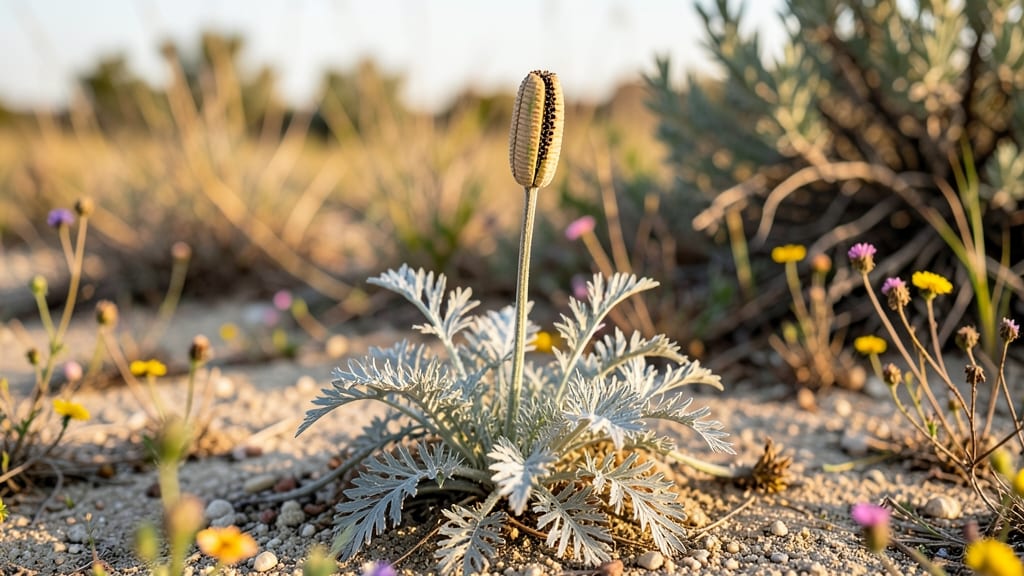
Harvesting dry poppy seed pods is like unlocking nature’s time capsule—each one holds the promise of next year’s vibrant blooms. 🌸 The moment those papery pods turn from green to a delicate tan is your cue to act, usually between late summer and early fall, before they pop open on their own.
I’ve learned that patience here pays off: waiting too long means scattering seeds everywhere, while harvesting too early leaves you with immature pods that won’t store well.
You’ll need just a few simple tools: sharp pruning shears, a paper bag for collecting pods, and a dry, shaded spot for curing. The key is to cut the stems cleanly, leaving about an inch of stem attached to each pod—this prevents moisture loss during storage.
Once collected, lay them out in a single layer on newspaper or a mesh screen for 1-2 weeks to fully dry. This step is critical; damp pods will mold, ruining your entire harvest.
Stored properly, these pods will keep their viability for 2-3 years, ready to sow for next season’s garden. You can use them for crafts—think wreaths or dried arrangements—or simply scatter them in your beds for a surprise display of poppy blooms the following spring.
The best part? No special equipment needed—just a little attention at the right moment.
Fair warning: poppies are temperamental about germination, so don’t expect perfection. Some years, you’ll get a carpet of blooms; others, just a few brave volunteers. That’s part of the charm.
For best results, mix your saved seeds with fresh ones from the store—it’s like giving your garden a little insurance policy against nature’s whims.
📚 In This Guide
- What you need
- Instructions
- Tips and common mistakes
- Wrapping up and next steps
What you need
- ● Freshly dried poppy seed pods: Collect pods from healthy, mature poppies (e.g., Papaver rhoeas or Papaver somniferum) once they’ve turned brown and papery.
- ● Pruning shears or sharp scissors: A pair with clean, sharp blades to snip stems without crushing pods.
- ● Brown paper bags or breathable fabric sacks: 3–5 medium-sized bags (12"x15") to collect pods and allow airflow.
- ● Cardboard boxes or shallow trays: 1–2 sturdy boxes (12"x18") for drying pods indoors.
- ● Newspaper or parchment paper: Enough to line drying trays (avoids moisture buildup).
- ● Small paintbrush or soft-bristle brush: For gently dislodging seeds from pods after drying.
- ● Air-tight glass jars or seed envelopes: 2–4 jars (8 oz–16 oz) or labeled envelopes for long-term storage.
- ● Pencil or marker: For labeling jars/envelopes with the harvest date and variety.
- ● Glove: A lightweight pair to protect hands from prickly stems.
- ● Fine-mesh sieve or colander: For sifting seeds from debris after brushing.
- ● Humidity indicator or hygrometer: To monitor indoor drying conditions (ideal: 40–50% humidity).
- ● Desiccant packets: 1–2 for storing jars in humid climates.
- ● Camera or phone: To snap photos of your poppies before harvesting for future reference!
Step-by-Step instructions for harvesting and storing poppy seed pods
Here's how to collect and preserve poppy seed pods so you can grow these delicate blooms again next year.
🌱 Step 1: Identify and Wait for Pods to Mature
Poppy seed pods form after the flowers fade and develop into round, bulbous shapes that start green but gradually turn brown and dry. Watch for the pods to split open naturally—this is your signal that they're ready. If you harvest too early, the seeds won't be fully developed, and the pods may not open properly.
I always wait until at least 50% of the pods on a plant have turned a papery brown color and begin cracking open. This usually happens 4-6 weeks after the flowers bloom, depending on your climate. If rain is forecast, harvest on a dry day to prevent moisture from damaging the pods.
✂️ Step 2: Harvest Pods at the Right Stage
Gently twist or cut the pods from the stem when they're dry and starting to split open. Use clean pruning shears or your fingers to avoid damaging the delicate pods. Place them in a paper bag (not plastic) to allow airflow and prevent moisture buildup, which can cause mold.
Don't harvest pods that are still green or firm—they won't contain mature seeds. If you miss the window and the pods release seeds on their own, you can still collect the seeds from the soil or fallen pods, but they may not store as well. I like to harvest in the morning when the pods are dry and less likely to crumble.
🪴 Step 3: Dry and Clean the Pods
Spread the harvested pods on a clean, dry surface in a well-ventilated area for 1-2 weeks to ensure they're completely dry. Avoid direct sunlight, which can overheat and crack the pods. Stir them occasionally to promote even drying. You'll know they're ready when they feel light and brittle to the touch.
Once fully dry, gently rub the pods between your hands or use a fine-mesh sieve to separate the seeds from the chaff. Discard any empty or damaged pods. Store the clean seeds in a paper envelope or glass jar with a tight-sealing lid to protect them from moisture and pests.
⏰ Step 4: Store Seeds Properly for Next Season
Label your storage container with the variety name and harvest date to keep track of what you've saved. Store the seeds in a cool, dark place—such as a pantry or refrigerator—where the temperature stays between 40-50°F. Poppy seeds can remain viable for 2-3 years if stored correctly.
Check the seeds periodically for signs of moisture or pests. If you notice any mold or dampness, transfer them to a new container immediately. When it's time to plant next season, sow the seeds directly in the garden, as they require light to germinate and don't need to be buried deep.
Tips & tricks for perfectly harvesting and storing poppy seed pods
Real talk: Harvesting poppy seed pods is an art that takes patience—and these little tricks will help you avoid the most common mistakes that ruin a good batch.
Timing is Everything: The 4-6 week window after blooming is critical. If you harvest too early, the seeds won't be fully developed, but if you wait too long, they'll scatter naturally. I've learned the hard way that checking pods daily during the last week of this window prevents missed opportunities. Look for that papery brown color and slight cracking—those are your perfect indicators.
Harvest Strategy: In Step 2, when you're harvesting those delicate pods, work quickly in the morning when dew has evaporated but the pods are still firm. I use a small paper bag for each plant to keep pods organized by variety. This prevents mixing and makes cleaning easier later. Don't forget to harvest in dry conditions—even light rain can cause mold during storage.
Drying Wisdom: That 1-2 week drying period in Step 3 is non-negotiable for seed viability. I spread my pods on a wire cooling rack over a baking sheet to ensure airflow on all sides. Stir them every few hours to prevent uneven drying. You'll know they're ready when they rattle like tiny drums—this means they're completely dry and ready for cleaning. Direct sunlight will crack them, so avoid windowsills.
Storage Secrets: The 40-50°F range for long-term storage is your sweet spot. I keep my seeds in glass jars with silica gel packets to absorb any moisture. Labeling with both variety and date is a game-changer—last year I nearly planted 3-year-old seeds before realizing they were from a different variety entirely! Check your seeds every 6 months for any signs of mold or pests.
Pro Tips for Dry Poppy Seed Pods
- Real talk: Harvesting poppy seed pods is an art that takes patience—and these little tricks will help you avoid the most common mistakes that ruin a good batch.
- Timing is Everything: The 4-6 week window after blooming is critical.
- Harvest Strategy: In Step 2, when you're harvesting those delicate pods, work quickly in the morning when dew has evaporated but the pods are still firm.
Frequently asked questions
Got questions about harvesting and storing dry poppy seed pods? You’re in the right place! Here are some of the most common queries—plus clear, no-fuss answers to help you save those seeds for next year’s garden magic.
When is the best time to harvest dry poppy seed pods?
Harvest poppy seed pods when they’re fully dry and brown but before they split open—usually 4–6 weeks after flowering. Morning harvests work best since dew keeps pods crisp. If pods crack prematurely, seeds scatter, and you lose your crop. Pro tip: Watch for the papery texture and hollow sound when tapped!
How long do harvested poppy seed pods last in storage?
Properly dried and stored pods stay viable for 1–2 years in a cool, dark place (like a sealed jar in your pantry). For longer shelf life, freeze them in a sealed bag—this halts moisture and pests. Check for mold or weevils annually. Remember: Humidity is the enemy!
Can I use poppy seed pods from the garden for cooking?
While the seeds inside are edible (common in baking!), the pods themselves are tough and inedible raw. Toast the seeds first for flavor—just dry them in a 300°F oven for 10–15 minutes. Fun fact: Poppy seeds are a key ingredient in bagels and muffins!
What should I do if my poppy seed pods get moldy or infested?
Discard any pods with black spots, webbing, or weevils immediately. To prevent issues, store pods in food-grade silica packets or a vacuum-sealed bag. Freezing also kills pests. Quick fix: Inspect pods before storing—early action saves your stash!
Are there alternatives if my poppy pods won’t dry naturally?
If humidity keeps pods damp, force-dry them indoors: Tie stems in small bundles and hang upside-down in a well-ventilated area (like a garage) for 1–2 weeks. Avoid heat sources—slow drying prevents cracking. Bonus: A fan on low speeds up the process!
Wrapping up and next steps
Harvesting and storing dry poppy seed pods is a rewarding way to ensure next year’s vibrant blooms—plus, you’ll enjoy the added bonus of fresh seeds for cooking or crafts! 🌸 With the right tools and timing, you can turn your garden into a self-sustaining poppy paradise.
Whether you’re a seasoned gardener or just starting out, every step you take brings you closer to a flourishing garden.
Ready to put your new skills to the test? Start by marking a few pods today—you’ll be amazed at how simple it is to nurture life from last season’s harvest. Happy gardening! 🌱