
Lawn
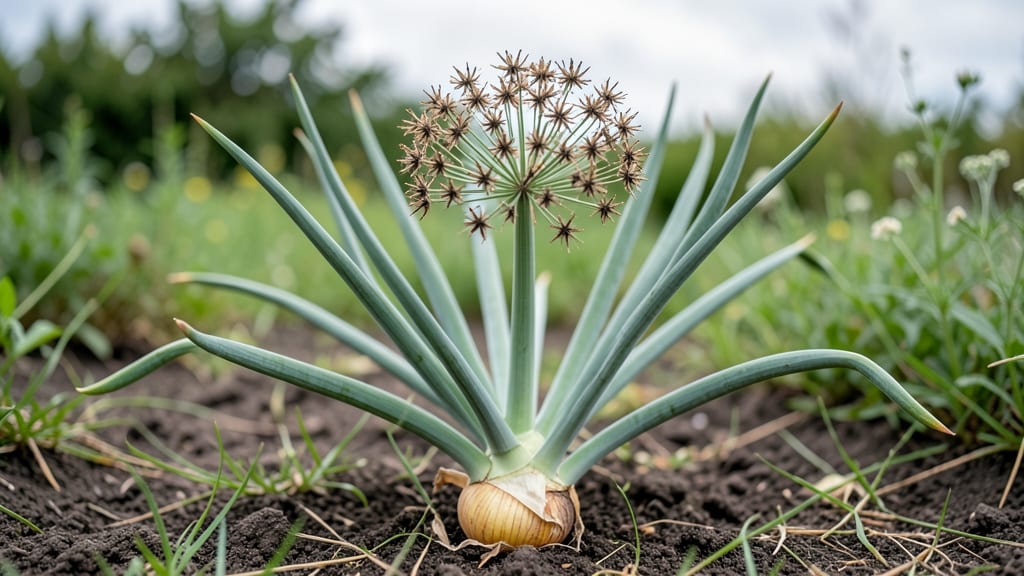
Saving onion seed pods means next year’s garden could be free—if you do it right. 🌱 The trick is catching those papery pods at the perfect moment before they scatter seeds everywhere.
I’ve harvested hundreds of pods over the years, and the ones that dry properly on the stalk yield the most reliable seedlings.
First, you’ll need a pair of clean scissors, a paper bag, and a dry spot indoors. Harvest pods when they turn from green to tan and start splitting open—usually in late summer or early fall.
Cut the stems and hang them upside down in a warm, dry place for two weeks. This lets the seeds fully mature and dry without sprouting too soon.
Once completely dry, gently rub the pods between your hands to release the seeds. Store them in an airtight container in a cool, dark place. If done correctly, these seeds will stay viable for 3-5 years, giving you a steady supply of onions without buying new ones every season.
This method works for all onion varieties, from sweet Vidalia to hardneck storage onions. Just avoid harvesting from hybrid onions—their seeds won’t grow true to type. Now, let’s get those pods dried and stored for next year’s harvest!
📚 In This Guide
- What you need
- Instructions
- Tips and common mistakes
- Wrapping up and next steps
What you need
- ● Onion seed pods (freshly harvested from mature plants—aim for 100+ pods for a good yield).
- ● Sharp pruning shears or scissors (for clean harvesting).
- ● Paper bags or breathable mesh bags (1-2 bags, 12x18 inches each, for drying).
- ○ Drying rack or screen (optional but helpful for airflow).
- ● Air-tight storage containers (glass jars or food-grade plastic bins, quart or gallon size).
- ● Labeling tags & permanent marker (to note variety and harvest date).
- ○ Desiccant packets (optional, for long-term storage).
- ● Humidity monitor (to track drying conditions, ideal range: 30-50% humidity).
- ● Food dehydrator (for faster drying if weather isn’t cooperative).
- ● Fine-mesh sieve (to separate seeds from pods post-drying).
- ● Vacuum sealer (for extra-long shelf life).
Step-by-step guide to harvesting and preserving onion seed pods
Here’s how to turn your homegrown onions into next year’s lawn—no fancy tools needed.
🌱 Step 1: Identify and Harvest Mature Seed Pods
Wait until the onion tops turn completely brown and crispy—this signals the seed pods inside are fully mature. Gently twist the dried stems to release the pods, or cut them off with clean scissors. Avoid pulling the whole plant; you’ll want to leave the roots intact for future harvests.
I like to spread the pods on a clean sheet of newspaper or paper towels in a dry, shady spot. This keeps them organized and makes it easy to spot any that might still be damp or underripe. If pods feel soft or green, they’re not ready—wait another week.
💧 Step 2: Dry the Seed Pods Thoroughly
Spread the pods in a single layer where they can air-dry for 2-3 weeks. A well-ventilated area—like a covered porch or garage—works best. Avoid direct sunlight, which can overheat and crack the pods. Stir them gently every few days to ensure even drying.
You’ll know they’re dry when the pods turn papery and rattle when shaken. If moisture lingers, mold can set in, ruining your seeds. I test by gently squeezing a few pods—if they crumble easily, they’re ready.
☀️ Step 3: Separate Seeds from Pods
Once fully dry, rub the pods between your fingers or a clean cloth to release the tiny black seeds. Store the seeds in a labeled paper envelope or small glass jar. Label with the variety and harvest date—onions can cross-pollinate, so keeping track matters.
Don’t rush this step. If seeds feel sticky or clump together, they need more drying time. I like to sift them through a fine mesh strainer to catch any stray pods or debris. A few minutes of patience here saves headaches later.
⏰ Step 4: Store Seeds for Planting Next Season
Keep the seeds in a cool, dark place—like a sealed jar in the fridge or a pantry—where they’ll stay viable for 1-2 years. Onion seeds lose vigor over time, so plan to use them within that window. Check the jar occasionally for moisture or pests.
When ready to plant, soak the seeds overnight in warm water to soften their tough outer coating. This trick speeds up germination and gives your lawn a stronger start. Just don’t soak too long—12 hours max—or the seeds may swell too much.
Tips & tricks for perfect onion seed pod preservation
These little tricks will help you avoid common pitfalls and get the most out of your homegrown onion seeds.
Harvesting Tip: I've learned the hard way that patience pays off when harvesting seed pods. The moment the onion tops turn completely brown and crispy is your cue—they're ready. But here's what nobody tells you: if you harvest too early, the seeds won't be fully mature, and you'll waste your time. I always do a quick test by gently squeezing a few pods—if they crumble easily, they're ready. If they feel soft or green, wait another week.
Drying Strategy: The 2-3 week drying period is critical, but don't assume all spaces are equal. I've ruined seeds by drying them in too-hot areas—direct sunlight or near heaters can overheat and crack the pods. Instead, choose a well-ventilated area like a covered porch or garage. Stir them gently every few days to ensure even drying. This prevents mold and ensures your seeds stay viable.
Seed Separation: When it's time to separate seeds from pods, don't rush! I've made the mistake of trying to speed this process, only to end up with sticky seeds that wouldn't dry properly. Take your time rubbing the pods between your fingers or a clean cloth. For extra clean seeds, sift them through a fine mesh strainer to catch any stray pods or debris. A few minutes of patience here saves headaches later.
Storage Wisdom: Onion seeds lose vigor over time, so proper storage is key. Keep them in a cool, dark place like a sealed jar in the fridge or pantry. I've found that checking the jar occasionally for moisture or pests makes all the difference. Label your jars with the variety and harvest date—this helps you keep track, especially since onions can cross-pollinate. And remember, these seeds stay viable for 1-2 years, so plan to use them within that window.
Pro Tips for Onion Seed Pods
- These little tricks will help you avoid common pitfalls and get the most out of your homegrown onion seeds.
- Harvesting Tip: I've learned the hard way that patience pays off when harvesting seed pods.
- Drying Strategy: The 2-3 week drying period is critical, but don't assume all spaces are equal.
Frequently asked questions
Got questions about harvesting, drying, or preserving onion seed pods for your lawn? You’re not alone! Here are some of the most common queries—and straightforward answers—to help you succeed.
When is the best time to harvest onion seed pods?
Harvest onion seed pods when they’re plump, dry, and turning brown—usually 60–90 days after flowering. Wait until they split open slightly (about 50%) to ensure maximum seed viability. Avoid harvesting in damp conditions to prevent mold.
How long does it take for onion seed pods to dry indoors?
Spread pods in a single layer on a mesh screen or paper towel in a well-ventilated, dry area (60–70°F). They typically dry in 7–14 days. Stir them gently every few days to speed up the process. Skip heat sources like ovens—they can scorch the seeds!
What’s the best way to clean and store onion seeds?
Rub dried pods between your hands or use a fine-mesh sieve to remove debris. Store seeds in airtight containers (like glass jars) in a cool, dark place (50–60°F). Label with the date—they stay viable for 2–3 years if stored properly.
Can I use onion seed pods for anything other than lawn seeding?
Beyond lawns, use them for ornamental borders, naturalizing in meadows, or even as a culinary garnish (young pods add a mild onion flavor to dishes). Just ensure they’re fully dried and cleaned first!
Why are my onion seed pods rotting or moldy?
Mold or rot usually means excess moisture. Check for:
Discard affected pods and restart drying in a drier environment.
Wrapping up and next steps
Harvesting, drying, and preserving onion seed pods is a rewarding way to ensure your lawn stays vibrant for seasons to come!
By following these simple steps, you’ll save money, reduce waste, and enjoy the satisfaction of self-sufficiency. Ready to take the next step? Start small—try harvesting just a few pods this season, then expand as you gain confidence.
Soon, you’ll be sharing your green-thumb wisdom with neighbors (or bragging about your lawn’s lushness!). 🌱