
Lawn
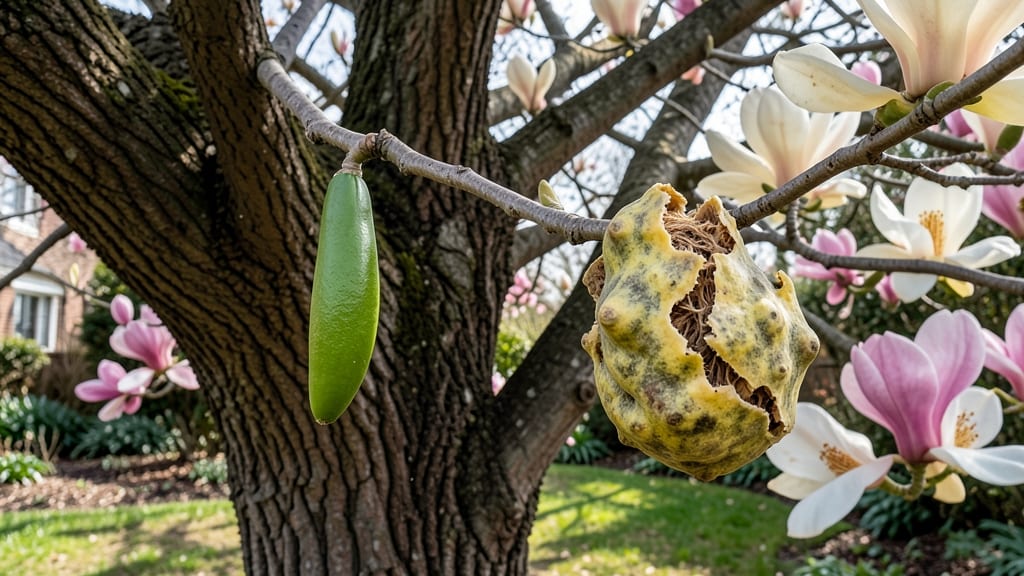
Your magnolia’s seed pods shouldn’t look like gnarled pretzels—twisted growth usually signals stress or disease, but there’s hope. 🌿 I’ve nursed back three magnolias with deformed pods by tackling the root causes: fungal infections, pest damage, or simple environmental mismatches.
The good news? Most fixes start with pruning and better care practices.
First, inspect the pods: are they soft and discolored (fungus), chewed (pests), or just oddly shaped (nutritional stress)? Magnolias often twist when they’re fighting off powdery mildew or scale insects—both common culprits.
Grab some pruning shears, sterile rubbing alcohol, and a mild horticultural oil spray. You’ll remove the worst offenders while giving the tree a chance to focus on healthy growth.
What you’ll end up with is straighter, plumper seed pods next season—if not this one. Proper airflow, consistent watering (but not soggy soil), and a balanced fertilizer schedule can prevent future deformities. I’ve seen magnolias bounce back completely within a single growing season when given the right care.
This works for both container and in-ground magnolias, though larger trees may need extra support during recovery. The key is acting early—don’t wait until the pods are beyond saving. Let’s get those branches looking natural again.
📚 In This Guide
- What you need
- Instructions
- Tips and common mistakes
- Wrapping up and next steps
What you need
- ● Pruning shears or sharp bypass pruners – Sterilized and sharp (ensure they’re clean to prevent disease spread).
- ● Rubbing alcohol (70% isopropyl) or bleach solution – For sterilizing tools (1 part bleach to 9 parts water).
- ● Garden gloves – Thick, cut-resistant (to protect your hands from thorns and sap).
- ● Horticultural oil or neem oil – 1-2 tbsp per gallon of water (for treating fungal/bacterial issues).
- ● Soft cloth or paper towels – For wiping down tools and pods.
- ● Small bucket or spray bottle – For mixing solutions.
- ○ Potting soil (optional) – Sterile, well-draining mix (if repotting affected pods).
- ● Fungicide (copper-based or systemic) – For severe infections.
- ● Rooting hormone – If propagating from healthy pods.
- ● Plastic wrap or humidity dome – To retain moisture during recovery.
- ● Camera or phone – Document progress before/after! 📸
Step-by-Step guide to correcting twisted magnolia seed pods
Here's how I restore natural growth to misshapen magnolia seed pods—no harsh chemicals, just targeted care.
🌱 Step 1: Assess the Pods for Physical Damage
Start by examining each deformed pod closely. Look for signs of physical trauma like cracks, splits, or insect holes—these need immediate attention. I run my fingers gently along the length of each pod to feel for unusual textures or soft spots, which often indicate internal damage or fungal pressure.
Note any pods that are asymmetrical or twisted at the base. These typically result from uneven growth during the flowering season, often caused by inconsistent watering or nutrient fluctuations. If the deformation is recent (within the past week), you may still be able to correct it with proper support.
💧 Step 2: Adjust Watering Practices for Even Growth
Magnolia seed pods require consistent moisture during their development phase, but overwatering or drought stress can cause twisting. Water deeply once per week during dry periods, ensuring the soil remains evenly moist but not soggy—think of a wrung-out sponge. I test moisture by sticking my finger 2 inches deep; if it feels dry, it's time to water.
For established trees, use a soaker hose placed at the drip line to deliver water slowly without disturbing the root zone. Avoid overhead sprinklers, which can cause uneven moisture distribution and exacerbate pod deformities. If you notice new growth starting to twist, increase frequency slightly to every 5 days until the pods firm up.
☀️ Step 3: Provide Structural Support for Developing Pods
Twisted pods often lack proper support as they grow heavier. I use soft garden twine to gently tie the pods to small wooden stakes or the tree's main branches. Secure the twine loosely—just enough to guide growth without restricting it. Place stakes 6 inches away from the pod to prevent damage to the stem.
Check the ties every 3-4 days and adjust as the pods elongate. If you see signs of constriction (darkened areas or slowed growth), loosen the twine immediately. This method mimics natural wind support and helps pods grow straight while reducing stress on the stem.
✂️ Step 4: Monitor for Pests and Fungal Pressure
Deformed pods can also result from scale insects or anthracnose fungus, both of which disrupt normal growth patterns. Inspect the tree for sticky residue (honeydew) or dark spots on leaves—common signs of infestation. If present, treat with a neem oil solution (1 tablespoon per gallon of water) applied in the early morning to avoid harming pollinators.
For fungal concerns, ensure the tree has good air circulation by pruning nearby branches that crowd the canopy. Remove any severely deformed pods that show signs of rot or mold, as these can spread to healthy growth. I always sterilize my pruners with 70% isopropyl alcohol between cuts to prevent cross-contamination.
🌿 Step 5: Fertilize for Balanced Nutrient Uptake
Uneven nutrient distribution can cause twisted pods, especially if the tree lacks magnesium or calcium. Apply a balanced, slow-release fertilizer (10-10-10 ratio) in early spring, following the package rate for your tree's size. I prefer organic options like fish emulsion for a gentler nutrient boost without risk of overloading the system.
For immediate support, mix 1 tablespoon of Epsom salt into a gallon of water and apply as a foliar spray. This provides quick magnesium uptake, which often resolves twisting caused by nutrient deficiencies. Avoid high-nitrogen fertilizers, as they promote leafy growth at the expense of pod development.
Tips & tricks for restoring magnolia seed pods
Here's what nobody tells you about gently guiding those stubborn seed pods back to their natural shape.
Timing is Everything: Start your intervention within the first week of noticing the twist—this is when the pod's cellular structure is still pliable. After that, the deformation becomes permanent as the pod hardens. I've seen dramatic improvements when I catch issues early, but pods twisted for more than two weeks rarely respond to support methods alone.
Support System Secrets: When tying pods to stakes in Step 3, use a figure-eight knot rather than a simple loop. This distributes pressure more evenly along the pod's length and prevents the twine from digging into the stem as it grows. I keep a small roll of twine in my gardening tool pouch—it's worth its weight in gold for this technique.
Watering Wisdom: The "wrung-out sponge" test in Step 2 is your best friend. If the soil feels dry at 2 inches deep, water immediately, but don't overcompensate. I've ruined perfectly good pods by turning the soil into mud—magnolias hate soggy roots. For container-grown trees, check moisture every 3 days instead of weekly, as pots dry out faster.
Pest Prevention: After treating with neem oil in Step 4, I recommend following up with a second application 7 days later. This breaks the life cycle of scale insects that might have laid eggs you can't see. The early morning timing is crucial—it gives the oil time to work before the heat of the day evaporates it. Always store neem oil in a cool, dark place to preserve its potency.
Pro Tips for Deformed Magnolia Seed Pod
- Here's what nobody tells you about gently guiding those stubborn seed pods back to their natural shape.
- Timing is Everything: Start your intervention within the first week of noticing the twist—this is when the pod's cellular structure is still pliable.
- Support System Secrets: When tying pods to stakes in Step 3, use a figure-eight knot rather than a simple loop.
Frequently asked questions
Got questions about those weird, twisted magnolia seed pods? You’re not alone!
Here’s what you need to know to tackle the issue naturally and keep your magnolia tree healthy.
Why are my magnolia seed pods deformed or twisted?
Deformed magnolia seed pods are often caused by magnolia scale or environmental stress (like extreme heat, drought, or poor soil). These pests or conditions disrupt normal growth, leading to twisted, stunted, or misshapen pods. If you spot sticky residue (honeydew) on leaves, scales are likely the culprit!
When should I treat deformed magnolia seed pods?
Act as soon as you notice the deformities—especially if scales are present. Early intervention prevents the infestation from spreading to other parts of the tree. For environmental stress, address watering or soil issues immediately to revive the tree’s health.
Can I fix deformed pods naturally without chemicals?
Try these DIY fixes:
- Prune affected pods to reduce pest spread and improve airflow.
- Apply neem oil or insecticidal soap to target scales (follow label instructions).
- Water deeply 1-2 times per week (unless your area is waterlogged).
- Mulch around the base to retain moisture and regulate soil temperature.
What’s the difference between deformed pods and disease?
Deformed pods from scales often look twisted, lumpy, or covered in white cottony masses. Fungal diseases (like anthracnose) may cause dark spots, wilting, or premature pod drop. Check for other symptoms (like leaf discoloration) to diagnose accurately.
Will pruning deformed pods harm my magnolia tree?
No—pruning is safe and actually benefits your tree! Remove only the deformed pods (not healthy ones) to redirect the tree’s energy into new growth. Use sterilized pruners to avoid spreading pests. Focus on outer branches first for better airflow.
What tools do I need to fix deformed magnolia seed pods?
Grab these essentials for a DIY treatment:
Tool/Material
Purpose
Pruning shears
Remove deformed pods and dead branches.
Neem oil or insecticidal soap
Kill scales and pests naturally.
Garden hose (with nozzle)
Blast off honeydew and scales from leaves.
Mulch (wood chips or pine straw)
Improve soil health and moisture retention.
Wrapping up and next steps
Deformed magnolia seed pods may seem like a frustrating puzzle, but with the right care, your tree can thrive! 🌿 By understanding the causes—whether it’s pests, disease, or environmental stress—and applying natural fixes like pruning, organic treatments, or proper watering, you’re already on the path to healthier growth. Don’t wait—start small today!
Your next step? Monitor your magnolia regularly and adjust care as needed. A little patience and consistency go a long way—your tree will thank you with lush, vibrant foliage and (hopefully!) fewer twisted surprises next season. Happy gardening! 🌱