
Lawn
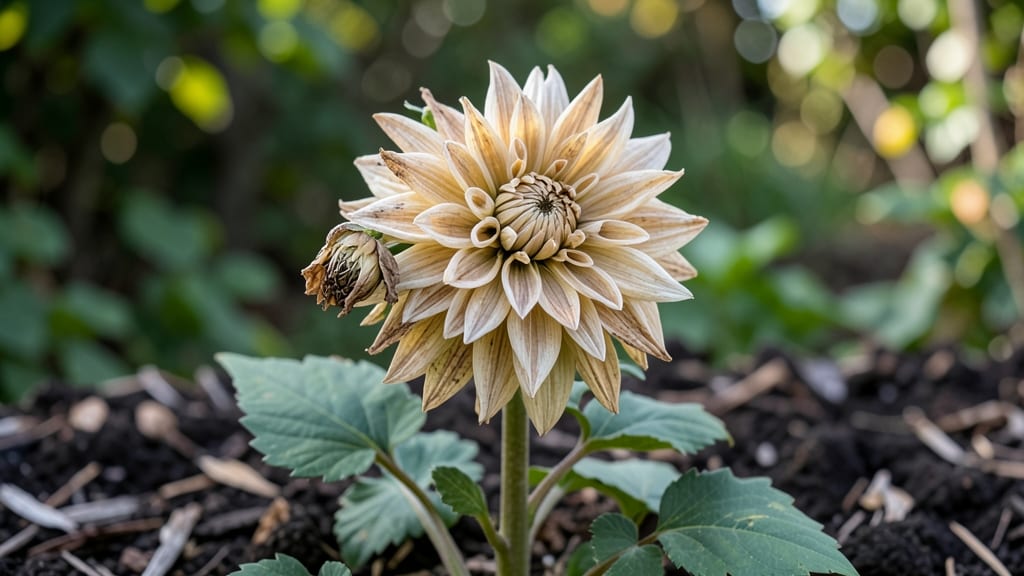
Saving those dried dahlia seed heads is the secret to next year's frost-resistant blooms—and they're surprisingly easy to work with. 🌱 I used to toss them after the flowers faded, but now I let them dry on the stems, then collect them for seeds or winter arrangements.
The key is patience: those papery seed heads hold the potential for your garden's next big showstopper.
After the first frost, snip the seed heads and let them dry completely indoors. Once fully dry, gently rub the heads to release the seeds—store them in a paper envelope until spring planting.
You'll get plants that thrive in your climate, often outperforming store-bought tubers. The dried heads also make stunning winter decor, adding unexpected texture to garlands or dried flower arrangements.
For garden design, leave some seed heads on the stems for winter interest—they catch light beautifully against snow or frost. The dried blooms attract birds and add structure to late-season gardens.
If you're saving seeds, aim for 10-12 weeks of dry storage before planting. The seeds keep better than tubers and produce plants that adapt perfectly to your local conditions.
Pro tip: Label your seed collections by variety—some dahlias cross-pollinate, and you'll want to track those unique hybrids. Start with 3-4 varieties to avoid confusion. The payoff? Plants that bloom earlier, last longer, and resist frost better than anything you can buy.
Your garden's next star might be growing right on those dried stems today.
📚 In This Guide
- What you need
- Instructions
- Tips and common mistakes
- Wrapping up and next steps
What you need
- ● Dried dahlia seed heads: 5–10 mature, fully dried seed pods (harvested after frost for best results).
- ● Scissors or pruning shears: Sharp, clean pair for cutting seed heads.
- ● Paper towels or newspaper: For drying and separating seeds.
- ● Small paper bags or envelopes: 5–10 breathable bags to store seeds (e.g., brown lunch bags).
- ● Seed-starting mix: 2–3 cups of sterile, well-draining potting soil (avoid garden soil—it may harbor pests!).
- ● Seed trays or small pots: 4–6 biodegradable or plastic containers (3–4 inches deep).
- ● Spray bottle: For gentle watering of seeds.
- ● Plastic wrap or clear lid: To create a mini greenhouse for humidity.
- ● Grow lights or sunny windowsill: For seedlings needing 6+ hours of light daily.
- ● Fertilizer (balanced 10-10-10 or compost): A pinch to boost seedling growth after sprouting.
- ○ Heat mat (optional): Speeds up germination if your space is chilly.
- ● Plant labels & marker: To track seed varieties (especially if mixing types!).
Step-by-step instructions for growing dahlias from dried seed heads
Turn last year's spent blooms into next season's showstoppers with this simple, frost-proof method.
🌱 Step 1: Harvest and Prepare Mature Seed Heads
Wait until late fall after the first frost when the foliage has blackened and died back completely. Cut the seed heads from the stems, leaving 1-2 inches of stem attached—this helps prevent rot during drying. Gently brush away excess debris but leave the fluffy seed head intact.
Here's the thing—don't wash the heads. Any moisture speeds up decomposition. Instead, place them in a single layer on a paper towel-lined tray in a dry, shaded spot (like a garage or covered porch). You want airflow to prevent mold, but no direct sunlight that could overheat the seeds.
☀️ Step 2: Dry and Store Seed Heads Properly
Let the heads dry for 2-4 weeks until completely crisp. You'll know they're ready when the outer petals crumble easily between your fingers. I like to check weekly by gently squeezing—if it feels like cardboard, it's dry enough.
Once fully dry, remove the seeds by rubbing the head between your palms over a clean white sheet of paper. The seeds will fall out while chaff stays behind. Store the seeds in a paper envelope (not plastic) in a cool, dark place like a seed drawer. Label with the variety and year—dahlias lose viability after 2-3 years.
🌿 Step 3: Start Seeds Indoors for Early Blooms
Begin seeds 8-10 weeks before your last frost date in 4-inch pots filled with seed-starting mix. Plant 2-3 seeds per pot at a depth of ½ inch, then lightly cover with soil. Dahlias need warmth to germinate—place pots on a seedling heat mat set to 70-75°F.
Keep the soil consistently moist (not soggy) by watering from the bottom. Cover pots with clear plastic wrap to retain humidity until germination, which takes 14-21 days. Remove the wrap immediately after sprouts appear—condensation encourages damping-off disease.
✂️ Step 4: Harden Off and Transplant Strong Seedlings
When seedlings develop 4-5 true leaves (not the initial baby leaves), start hardening them off. Move pots outside for 1-2 hours daily, gradually increasing time over 7-10 days. Choose an overcast day for the final transplant to reduce stress.
Plant seedlings in full sun with well-draining soil amended with compost. Space them 18-24 inches apart—dahlias need room to grow. Bury the stem 2-3 inches deeper than the pot to encourage stronger root development. Water deeply at planting to settle the soil.
💧 Step 5: Maintain for Frost-Resistant Blooms
Water 1-2 inches per week, keeping soil moist but never waterlogged. Dahlias are drought-tolerant once established, but consistent moisture yields bigger blooms. Fertilize with a balanced 10-10-10 formula every 4-6 weeks starting when plants reach 6 inches tall. Stop fertilizing 6 weeks before frost to harden tubers for winter.
Deadhead spent blooms regularly to encourage more flowers. When frost threatens, cut back foliage to 6 inches and mulch heavily. The tubers will survive winter in the ground in USDA zones 8-10—dig and divide them every 3-4 years to keep plants vigorous.
Tips & tricks for perfect dahlia seed head revival
Transforming last year's dahlia blooms into next season's vibrant flowers starts with these simple but game-changing strategies.
Harvest Timing is Everything: The key to successful seed head drying is patience—wait until after the first frost when foliage has completely blackened. This ensures seeds are fully mature and ready for storage. I've learned the hard way that harvesting too early leads to poor germination rates. The 1-2 inches of stem you leave attached acts as a natural barrier against rot during drying, so don't skip this step!
Drying Conditions Matter: For the 2-4 week drying period, focus on creating ideal conditions: single-layer arrangement on paper towels, complete shade, and excellent airflow. I've had mold issues in the past when using plastic containers—paper allows moisture to evaporate while preventing bacterial growth. Test for dryness by gently squeezing the petals; they should crumble like cardboard, not feel damp or pliable.
Seed Storage Secrets: Paper envelopes are your best friend for seed storage—plastic traps moisture and reduces viability. Store in a cool, dark place like a seed drawer where temperatures stay consistent. I always label with both the variety name and year harvested; dahlia seeds lose viability after just 2-3 years, so keeping track prevents wasted efforts.
Germination Warmth Hack: The 70-75°F heat mat requirement isn't just about speed—it's about consistency. I've found that seedling heat mats with built-in thermometers give the most reliable results. If you don't have one, place pots on top of your refrigerator (not inside) for gentle, steady warmth. The 14-21 day germination window can feel long, but remember that cooler conditions will extend this period significantly.
Pro Tips for Dahlia Seed Head
- Transforming last year's dahlia blooms into next season's vibrant flowers starts with these simple but game-changing strategies.
- Harvest Timing is Everything: The key to successful seed head drying is patience—wait until after the first frost when foliage has completely blackened.
- Drying Conditions Matter: For the 2-4 week drying period, focus on creating ideal conditions: single-layer arrangement on paper towels, complete shade, and excellent airflow.
Frequently asked questions
Got questions about growing dahlias from seed heads? You’re not alone!
Here are the most common queries—and their answers—to help you master this frost-resistant blooming technique.
Can I save seeds from any dahlia?
Not all dahlias produce viable seeds. Look for open-pollinated varieties (avoid hybrids labeled "F1"). Seed heads from heirloom or species dahlias (like D. coccinea) are your best bet. Store-bought hybrids often revert traits, so save seeds from plants you love!
How do I protect seed heads from frost?
Once seed heads form (late summer/fall), cover them with frost cloth or move potted plants indoors to a cool, dry spot (50–60°F). If frost hits, harvest heads before they freeze—dry them indoors to preserve seeds. A mini greenhouse or unheated garage works great!
When should I harvest seed heads?
Wait until heads turn brown and papery (usually 2–3 weeks after blooms fade). Gently twist or cut the head off the stem—don’t let seeds scatter! Let them dry for 1–2 weeks in a well-ventilated spot (like a mesh bag). Pro tip: Label varieties with a toothpick and marker!
What if my seeds don’t sprout?
Dahlia seeds need light and warmth to germinate. Try these fixes:
- Sow seeds shallowly (¼ inch deep) in moist, sterile soil.
- Use a heat mat (70–75°F) or place trays on top of a fridge.
- Keep soil consistently damp (not soggy)—mist lightly daily.
- Be patient! Germination can take 2–4 weeks.
Can I grow dahlias from seed heads in cold climates?
Start seeds indoors 8–10 weeks before your last frost (use grow lights if needed). Harden off seedlings before transplanting. For extra cold protection, plant in containers and move them indoors during freezes. Bonus: Seed-grown dahlias often thrive better than cuttings in harsh winters!
What’s the best way to store saved seeds?
Once fully dry, remove seeds from heads and store them in a paper envelope (not plastic—it traps moisture). Keep envelopes in a cool, dark place (like a fridge) for up to 2 years. Label with the variety and year! Pro tip: Add a silica gel packet to absorb humidity.
Still stumped? Drop your question in the comments—we’re happy to help your dahlias bloom again next season!
Wrapping up and next steps
Transforming a simple dahlia seed head into a thriving, frost-resistant plant is easier than you think! With the right materials, patience, and a little creativity, you can bring back next year’s vibrant blooms—even from last season’s dried heads. 🌱
Now that you’re equipped with the know-how, why not give it a try? Start by gathering your dried seed heads this fall, and by spring, you could be rewarded with stunning, homegrown dahlias. Happy gardening! 🌸