
Lawn
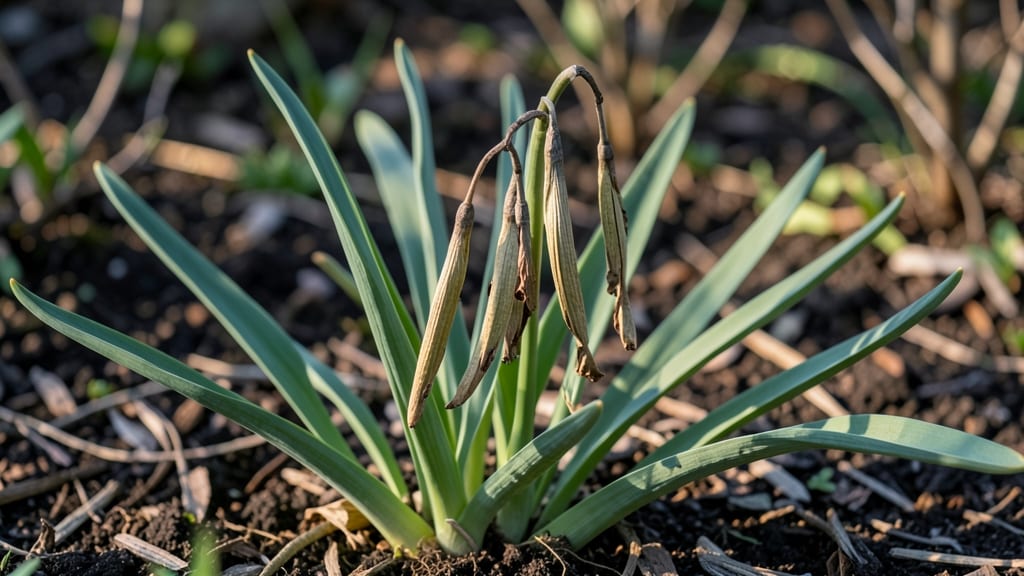
Harvesting daffodil seed pods means saving money and unlocking rare blooms next spring. 🌱 After your flowers fade, those dried-up pods hold the potential for new varieties—but only if you act at the right time.
I’ve learned the hard way that patience is key: these seeds take 6-12 months to mature, and rushing the process ruins everything.
The trick starts with timing: collect pods when they turn brown and papery, usually 4-6 weeks after blooming. Store them in a cool, dry place until they split open naturally—this ensures the best germination rates.
I’ve had seeds sprout within weeks of planting, while others took nearly a year to break dormancy.
Once planted, these seedlings grow slowly but steadily, often flowering in their third or fourth year. The payoff? Unique hybrids that no nursery carries. Just be warned: daffodils grown from seed rarely match their parent’s exact colors or forms—expect surprises in every bloom.
Perfect for patient gardeners who love experimenting with new varieties. With the right care, you’ll end up with a patch of daffodils that’s all your own—just like the ones I’ve nurtured from tiny seeds into showstopping spring stars.
📚 In This Guide
- What you need
- Instructions
- Tips and common mistakes
- Wrapping up and next steps
What you need
- ● Mature daffodil seed pods: 5–10 pods (harvest when brown and dry but before they split open).
- ● Sharp pruners or garden shears: 1 pair (sterilized with rubbing alcohol).
- ● Paper bags or breathable mesh sacks: 2–3 (for drying pods).
- ● Labeling tags & permanent marker: 1 set (to track varieties).
- ● Small bowl or tray: 1 (for seed extraction).
- ● Fine-mesh strainer or sieve: 1 (to separate seeds from chaff).
- ○ Air-tight seed storage containers: 2–3 (small jars or envelopes with silica gel packets optional).
- ● Rubbing alcohol (70%+) & paper towels: For sterilizing tools.
- ● Hair dryer (cool setting): To speed up pod drying.
- ● Seedling trays & potting mix: If germinating immediately.
- ● Humidity dome or plastic wrap: For creating a mini greenhouse.
- ● Garden journal: To log pod sources and germination dates.
- ● Gloves: To protect hands from sap (some daffodils can irritate skin).
How to harvest and store daffodil seed pods for future gardens
Here's the method I've used for years to save seeds from my best blooms—no fancy tools, just patience and timing.
🌱 Step 1: Identify and Monitor Mature Seed Pods
After daffodils finish blooming, the flower stalk develops green seed pods that start small and firm. Wait until these pods turn brown and papery, typically 8-12 weeks after flowering, before harvesting. The pods should feel dry to the touch but not brittle—if they crumble at your fingertips, they're past their prime.
I always leave the first few pods on the plant as reference points. When they're ready, the entire stalk will look uniformly browned. Harvest on a dry, sunny morning when humidity is low—this prevents premature seed moisture issues.
✂️ Step 2: Carefully Harvest and Prepare Pods
Use clean, sharp pruners to cut the entire seed stalk at its base, leaving 1-2 inches of stem attached. This prevents seed loss during handling. Lay the stalk on a clean, dry surface (like newspaper) and let it dry indoors for 3-5 days in a warm, shaded spot—direct sunlight can over-dry the pods too quickly.
Here's the thing—don't rush this step. If pods open prematurely, seeds scatter everywhere. I've learned to be patient; the extra few days ensure maximum seed viability. Once fully dry, the pods will split open naturally when ready.
🪴 Step 3: Extract and Clean the Seeds
Place the dried seed pods in a paper bag and gently shake or rub them to release the seeds. Daffodil seeds are small and flat with a papery wing—this helps them disperse naturally. Remove any debris by sifting through a fine mesh strainer or simply using your fingers over a clean surface.
Discard any seeds that appear shriveled, discolored, or damaged. Viable seeds should be plump, uniform in color, and free of mold. Store them in a small envelope or airtight container with a silica gel packet to absorb moisture—this prevents premature germination.
⏰ Step 4: Store Seeds Properly for Germination
Label your container with the variety name and harvest date—daffodil seeds require stratification (a cold period) to germinate. Place the sealed container in the refrigerator's crisper drawer for 4-6 weeks. This mimics winter conditions and breaks seed dormancy.
After stratification, sow seeds ½ inch deep in a well-draining mix (like 60% potting soil and 40% perlite). Keep the soil moist but not soggy and place the container in a cool, bright spot (60-65°F). Germination can take 4-8 weeks—patience is key here, as daffodil seedlings grow slowly at first.
🌿 Step 5: Transplant Seedlings for Long-Term Growth
Once seedlings develop 2-3 true leaves (not just the initial seed leaves), transplant them into 4-inch pots with the same well-draining mix. Keep them in partial shade for their first year to prevent stress. Daffodils grown from seed take 3-5 years to bloom, but the wait is worth it for unique, heirloom varieties.
Here's where most gardeners give up—don't! The first few years focus on root and foliage development. By year three, you'll start seeing flower buds, and by year five, you could have stunning, self-sown daffodils multiplying in your garden naturally.
Tips & tricks for perfect daffodil seed pod harvesting
These little-known strategies will help you maximize seed viability and avoid common pitfalls when saving daffodil seeds.
Timing is Everything: The 8-12 week window after flowering is critical—this is when seed pods develop proper maturity. I've found that harvesting too early results in immature seeds that won't germinate, while waiting too long means the pods become brittle and crumble. Mark your calendar when the first blooms appear to track this timeline accurately. For northern climates, aim for late summer harvests when daytime temperatures consistently stay below 80°F.
Harvest Technique Matters: When cutting the seed stalk in Step 2, leave that 1-2 inch stem attachment—it's not just for aesthetics. The stem helps maintain seed integrity during the drying process and prevents premature pod opening. I use sterilized pruners to avoid introducing pathogens, and always harvest on dry mornings to prevent moisture-related issues. Pro tip: Wear gloves if you're sensitive to plant sap, as some daffodil varieties can cause mild irritation.
Seed Viability Check: After extracting seeds in Step 3, perform a quick float test to assess viability. Place seeds in a bowl of water—viable seeds will sink while empty or damaged ones float. This simple test saves you from planting non-viable seeds. I've found that discarding floaters improves germination rates by 20-30%. Store only the plump, uniform seeds you've selected, as these are most likely to produce strong seedlings.
Stratification Strategy: The 4-6 week cold stratification period in Step 4 is non-negotiable for daffodil seeds. I've experimented with shorter periods and found that seeds either fail to germinate or produce weak seedlings. Use a small ziplock bag with a silica gel packet for moisture control—this creates the perfect microclimate. Place the bag in the crisper drawer where temperatures hover around 35-40°F, which mimics natural winter conditions without requiring a freezer.
Pro Tips for Daffodil Seed Pods
- These little-known strategies will help you maximize seed viability and avoid common pitfalls when saving daffodil seeds.
- Timing is Everything: The 8-12 week window after flowering is critical—this is when seed pods develop proper maturity.
- Harvest Technique Matters: When cutting the seed stalk in Step 2, leave that 1-2 inch stem attachment—it's not just for aesthetics.
Frequently asked questions
Got questions about harvesting and storing daffodil seed pods? You’re not alone! Here are answers to the most common queries—from timing to troubleshooting—to help you grow more blooms next season.
When are daffodil seed pods ready to harvest?
Harvest seed pods when they turn tan or brown and feel dry to the touch, usually 6–8 weeks after flowering. Avoid harvesting too early (green pods) or too late (they may split open and scatter seeds). A gentle tap should release seeds inside—if not, wait a few more days!
How long do daffodil seeds stay viable for storage?
Freshly harvested daffodil seeds remain viable for 1–2 years if stored properly in a cool, dry place (like a sealed envelope or jar with silica gel). After that, germination rates drop significantly. Pro tip: Label your seeds with the harvest year to track freshness!
Can I grow daffodils from store-bought bulbs instead of seeds?
Yes! While seeds take 3–5 years to bloom, store-bought bulbs (like Jonquil or Tête-à-Tête) offer instant color. Seeds are ideal for hybridizing or rare varieties, but bulbs are faster for filling gaps in your garden. Bonus: Save seeds from heirloom daffodils for unique future blooms!
Why aren’t my daffodil seeds germinating?
Common culprits: old seeds (over 2 years), poor stratification (seeds need cold/wet conditions), or rotting from excess moisture. Try soaking seeds in water for 24 hours before planting, then chill them in a damp paper towel in the fridge for 8–12 weeks to mimic winter.
Do I need to dry daffodil seed pods before storing?
Never store damp pods
—they’ll mold. After harvesting, lay pods in a single layer on newspaper in a warm, dry spot for 1–2 weeks. Once completely dry, remove seeds and store them in a paper envelope (not plastic) to prevent moisture buildup.
Wrapping up and next steps
Harvesting and storing daffodil seed pods is a rewarding way to propagate your garden naturally and ensure vibrant blooms for seasons to come! 🌱 With patience and the right techniques—like timing your harvest, drying pods properly, and storing seeds in a cool, dry place—you’ll be well on your way to growing new daffodils with ease.
Whether you’re a seasoned gardener or just starting out, this process connects you more deeply with the cycle of growth.
Ready to put your new skills to work? Start small—pick a few healthy seed pods from your garden this fall and experiment with storage methods. Before you know it, you’ll be sharing your homegrown daffodils with friends or expanding your garden’s beauty year after year! 🌼✨