
Propagation
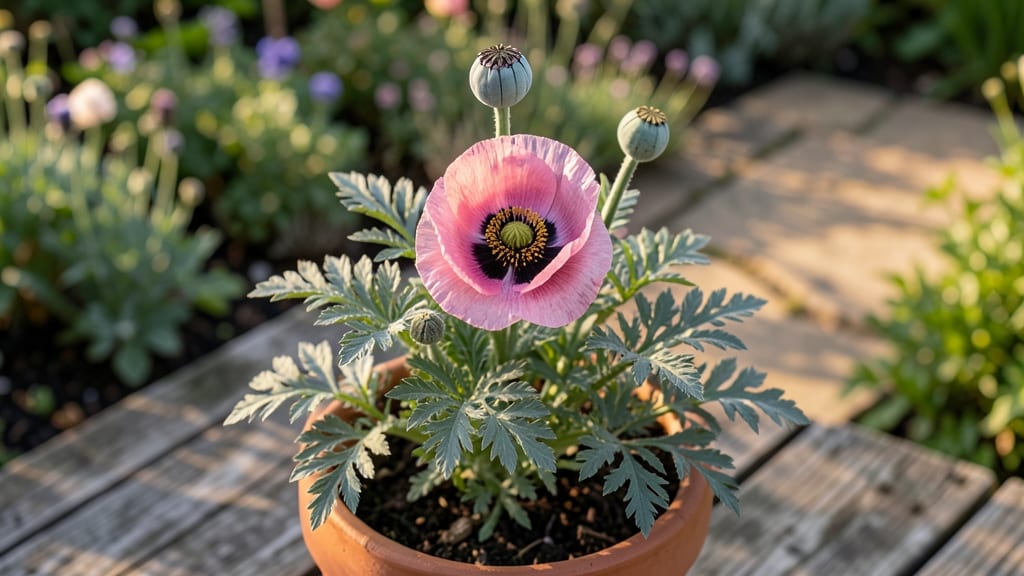
Fast, vibrant blooms start with these tiny black seeds. 🌱 Breadseed poppy seeds need just the right touch to break their stubborn dormancy—something I learned after three failed attempts last spring.
The secret lies in a simple trick that mimics their natural germination cycle, and once you know it, you'll have cheerful orange and red blooms in as little as 6 weeks.
These poppies thrive in poor soil and full sun, making them perfect for sunny borders, wildflower meadows, or even containers. They self-seed aggressively, so one packet often becomes a permanent display. The key is patience—seeds need cold stratification or a quick soak to wake up before planting.
Once sprouted, they grow fast, reaching 2-3 feet tall with delicate, papery blooms that dance in the breeze. Birds adore the seeds, and you can harvest them for birdseed mixes or even poppyseed toppings (though they're milder than opium poppies).
Plant them in early spring or fall for best results, and avoid overwatering—they hate soggy soil. With this method, even black thumbs get reliable, showstopping blooms every season.
📚 In This Guide
- What you need
- Instructions
- Tips and common mistakes
- Wrapping up and next steps
What you need
- ● Breadseed poppy seeds: 1–2 packets (or ~50–100 seeds, depending on desired quantity). Choose certified organic or heirloom varieties for best results.
- ● Seed-starting mix: 1–2 quarts of lightweight, well-draining potting soil (avoid garden soil—it’s too dense!). Look for a mix labeled "seed-starting" or "cactus/succulent blend" for optimal aeration.
- ● Containers: Small seed trays (with drainage holes) OR
- ● Biodegradable peat pots (3–4 inches deep) OR
- ● Repurposed egg cartons (for a budget-friendly option!)
- ● Spray bottle: For gentle watering (avoid over-saturating the soil!).
- ● Plastic wrap or humidity dome: To create a mini greenhouse effect and retain moisture.
- ● Grow lights or sunny windowsill: Poppies need 6–8 hours of light daily. A full-spectrum LED grow light (12–16 inches above seedlings) works wonders if natural light is limited.
- ○ Fertilizer (optional but helpful): A balanced, water-soluble fertilizer (e.g., 10-10-10 or 5-5-5) OR
- ● Fish emulsion (diluted to half-strength) for organic growth.
- ● Heat mat: Speeds up germination (poppies love warmth—aim for 70–75°F).
- ● Fungicide: A preventative spray (like copper fungicide) to avoid damping-off disease in humid conditions.
- ● Plant labels: Mark varieties if growing multiple types (poppies can look similar at first!).
- ● Transplanting tools: Small hand trowel or spoon for moving seedlings.
- ● Outdoor hardening tray: A shaded area to gradually acclimate seedlings to outdoor conditions before planting.
Step-by-step instructions for germinating breadseed poppy seeds
Here’s how I get poppies sprouting in just days—not weeks—so you can enjoy those classic papery blooms sooner.
🌱 Step 1: Prep Seeds for Faster Germination
Breadseed poppies have a tough outer shell that slows germination. To speed things up, soak the seeds in lukewarm water for 12 hours before planting. Place them in a small bowl or jar, cover with water, and let them sit. You’ll see the shells soften noticeably—this is your signal they’re ready.
After soaking, drain the water and let the seeds air-dry for 10-15 minutes on a paper towel. This prevents mold while keeping them primed to sprout. I like to scatter them on the towel in a single layer so they don’t clump together—crowded seeds can rot before they even germinate.
💧 Step 2: Plant in Well-Draining, Loose Soil
Poppies hate soggy soil, so use a lightweight seed-starting mix or blend your own with 50% potting soil and 50% perlite or coarse sand. Fill small pots or seed trays to within ½ inch of the rim, leaving room for watering. Poppies grow best in full sun, so choose a spot where they’ll get at least 6 hours of direct light daily—even indoors, a south-facing window works.
Sprinkle the soaked seeds on the soil surface—don’t bury them. Poppy seeds need light to germinate, so pressing them lightly into the top layer is enough. Space them ¼ inch apart if planting directly in the ground, or scatter loosely in containers. Mist the soil gently with water until it’s damp but not wet, then cover the tray with a clear plastic dome or plastic wrap to retain moisture.
☀️ Step 3: Provide Warmth and Wait for Sprouts
Poppies germinate fastest in warm soil (70-75°F). If your home runs cooler, place the tray on a seedling heat mat or near a sunny window. Check the soil daily—it should stay evenly moist but not soggy. Overwatering is the #1 killer of poppy seedlings, so I use a spray bottle to mist lightly rather than pouring water.
Germination happens in 5-10 days, but don’t be surprised if some seeds take up to 2 weeks. You’ll spot the first tiny sprouts as delicate, bright green leaves pushing through the soil. Once 50% of seeds have sprouted, remove the plastic cover immediately—too much humidity invites mold, and poppy seedlings are especially sensitive.
✂️ Step 4: Thin and Harden Off for Strong Stems
When seedlings reach 2 inches tall, thin them to 3-4 inches apart in containers or 6 inches apart in garden beds. Use scissors to snip unwanted seedlings at soil level—pulling can disturb roots and damage neighbors. Stronger stems mean fewer floppy, weak plants later.
Two weeks before transplanting outdoors, start hardening off your poppies. Place them outside in a sheltered spot for 1-2 hours the first day, gradually increasing time over 7-10 days. Poppies are tough but appreciate this slow adjustment. Transplant on a cool, overcast day to reduce shock, and water deeply at the base to encourage root growth.
🌿 Step 5: Support and Maintain for Vibrant Blooms
Poppies grow 3-4 feet tall, so stake them early if planting in windy areas. Drive stakes 6 inches deep and tie stems loosely with soft twine—tight ties can strangle stems as they grow. Avoid fertilizing heavily; poppies thrive in poor soil and bloom best when left undisturbed.
Water at the base (not overhead) to keep foliage dry and prevent fungal diseases. You’ll see buds form in 6-8 weeks, followed by those iconic papery blooms in 8-10 weeks total. Deadhead spent flowers to encourage more blooms, but leave some seed pods for next year’s crop—poppies self-seed beautifully!
Tips & tricks for fast, vibrant breadseed poppy blooms
Common pitfalls—and how to sidestep every one when growing breadseed poppies.
Soaking Secret: The 12-hour soak is non-negotiable for breaking those tough seed shells, but don't let them sit in water beyond that. I've seen seeds rot overnight if left too long—just 12 hours gives them the perfect head start without over-soaking. After draining, pat them dry for those 10-15 minutes on paper towels. Pro tip: Use a fan on low for 5 minutes during drying to prevent mold spores from settling.
Light and Heat Harmony: Poppies need that 70-75°F soil warmth, but don't overlook the light requirement. Place your seed trays near a south-facing window or under grow lights for those critical 6 hours daily. I've had better luck with LED grow lights on a timer than natural light alone—especially in cloudy weather. The key is keeping the soil surface illuminated while maintaining that warm base temperature.
Germination Timing: Those 5-10 days can feel like forever, but patience pays off. Mark your calendar when you plant so you know when to expect sprouts. If you're impatient, check daily starting day 4—you'll spot the first tiny green hooks emerging. Once 50% sprout, remove that plastic cover immediately to prevent mold. I've lost entire trays by leaving them covered too long after germination begins.
Thinning Technique: When your seedlings hit 2 inches tall, don't just yank them out—use clean scissors to snip at soil level. This prevents disturbing the roots of your keepers. For garden beds, space them 6 inches apart to give mature plants room to grow their 3-4 foot stems. I've found that thinning early saves me from having to deal with crowded, weak plants later that struggle to reach their full height.
Pro Tips for Breadseed Poppy Seeds
- Common pitfalls—and how to sidestep every one when growing breadseed poppies.
- Soaking Secret: The 12-hour soak is non-negotiable for breaking those tough seed shells, but don't let them sit in water beyond that.
- Light and Heat Harmony: Poppies need that 70-75°F soil warmth, but don't overlook the light requirement.
Frequently asked questions
about breadseed poppy seeds—your quick guide to troubleshooting and success!How long does it take for breadseed poppy seeds to germinate?
Germination typically occurs in 7–14 days under ideal conditions (warm soil, consistent moisture, and sunlight). If your seeds haven’t sprouted in 3 weeks, they may need a light scratch or a warmth boost (like a heat mat). Patience is key—these seeds are fast but not instant!
Can I plant breadseed poppy seeds too deep?
Yes! These tiny seeds need light to germinate, so plant them just ¼ inch deep or sprinkle them on top of the soil and press lightly. Over-deep planting can delay (or even prevent) sprouting. Think of them like delicate snowflakes—handle with care!
What’s the best alternative if my seeds aren’t germinating?
Try these fixes:
- Soak seeds in warm water for 12 hours before planting.
- Use a seedling heat mat (70–75°F soil temp helps).
- Check for moisture consistency—dry soil = dormancy mode.
- Mix with sand or perlite for better airflow if mold appears.
Do breadseed poppies self-seed aggressively?
Not usually! While they can self-sow, breadseed poppies are less aggressive than their ornamental cousins. Deadhead spent blooms if you want to control spread. Bonus: Their lightweight seeds often blow away—nature’s way of saying, “Plant me somewhere else!”
Are breadseed poppy seeds safe for birds or pets?
Yes! Breadseed poppies are non-toxic to birds, pets, and humans. In fact, birds love the seeds as a snack, and the flowers attract pollinators. Just avoid opium poppies (different species)—stick to Papaver somniferum var. nudicaule for safe, vibrant blooms.
Can I grow breadseed poppies in containers?
They thrive in 5–6 inch pots with well-draining soil. Use a mix of potting soil + perlite to prevent rot. Containers also make it easy to move them to sunny spots or protect them from late frosts. Just ensure pots have drainage holes!
Wrapping up and next steps
Growing breadseed poppy seeds is a rewarding journey that brings bursts of vibrant color to your garden with minimal effort! By following the right germination techniques—like using warm water, proper soil moisture, and a sunny spot—you’ll unlock fast, cheerful blooms that brighten up any space. 🌸
Ready to turn your garden into a poppy paradise? Grab those seeds, follow the steps, and watch your efforts bloom into beauty. Start small, experiment, and enjoy the process!