
Lawn
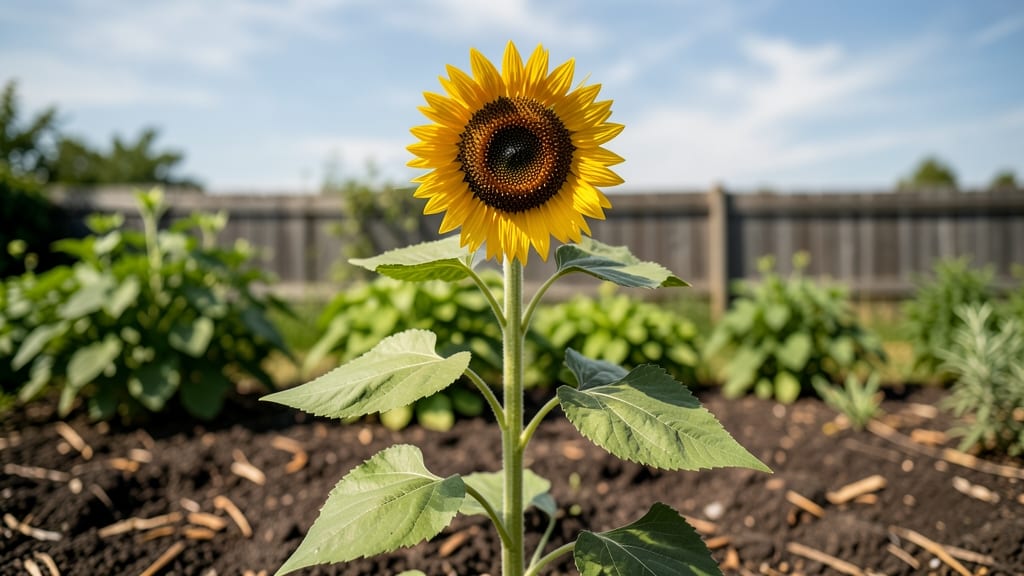
Growing black seed sunflowers means fast germination and a bold, natural lawn barrier in just 60 days. 🌱 I planted mine last spring, and within weeks, they outpaced weeds while adding height and drama to my yard.
These sunflowers aren’t just pretty—they’re tough, drought-tolerant, and perfect for hot climates where other plants struggle.
The secret starts with well-drained soil and full sun—no fancy prep needed. Scatter seeds ½ inch deep, 6 inches apart, and water lightly until sprouts appear. They thrive in poor soil and need minimal care, making them ideal for beginners or busy gardeners.
Just watch for birds (they love the seeds) and keep an eye out for powdery mildew in humid areas.
By midsummer, you’ll have 6-foot-tall stalks with deep black seeds—great for bird feeders or culinary uses. The flowers also attract pollinators, turning your yard into a buzzing ecosystem. Plus, their deep roots break up compacted soil, improving your lawn’s health over time.
For extra impact, plant them alongside marigolds to deter pests or mix with cosmos for a wildflower meadow vibe. Whether you’re filling a bare spot or creating a living fence, these sunflowers deliver fast, dramatic results with almost no effort.
📚 In This Guide
- What you need
- Instructions
- Tips and common mistakes
- Wrapping up and next steps
What you need
- ● Black seed sunflower seeds – 1-2 lbs (16-32 oz) (adjust based on desired coverage; ~2,000 seeds per pound). Choose non-GMO, heirloom varieties like 'Mammoth Russian' or 'Autumn Beauty' for best results.
- ● Well-draining soil – Test soil pH (ideal range: 6.0-7.0). Amend with compost if needed for fertility.
- ● Garden trowel or hand shovel – For planting seeds 1/2 inch deep.
- ● Watering can or hose with a gentle spray nozzle – Keep soil consistently moist (not soggy) until germination (~7-14 days).
- ○ Mulch (optional but recommended) – 2-3 inches of straw or wood chips to retain moisture and suppress weeds.
- ● Measuring tape or ruler – Space seeds 12-18 inches apart for a dense barrier.
- ● Seedling trays – For starting seeds indoors 4-6 weeks before last frost (if your climate is cool).
- ● Organic fertilizer – Balanced 10-10-10 or compost tea to boost early growth.
- ● Row covers or shade cloth – Protect young plants from pests or intense sun in hot climates.
- ● Stakes or trellis – If growing as a tall, decorative hedge (sunflowers can reach 6-12 feet!).
- ● Pruners – For trimming spent blooms to encourage more foliage growth.
Step-by-step instructions for planting black seed sunflowers
Here's how to grow these striking sunflowers for a bold, fast-growing privacy screen.
🌱 Step 1: Choose the Perfect Location and Prepare the Soil
Black seed sunflowers thrive in full sun—pick a spot that gets at least 6-8 hours of direct sunlight daily. These plants grow fast, so avoid areas with overhead power lines or obstructions. Clear any weeds or grass from a 12-inch wide strip where you'll plant, since sunflowers compete poorly with other plants.
Loosen the soil to a depth of 12 inches with a garden fork or tiller. Sunflowers love well-draining soil, so if your area stays soggy, mix in 2 inches of compost to improve drainage. The ideal soil pH is between 6.0-7.5. You'll know the soil is ready when it crumbles easily between your fingers and has no large clumps.
🌱 Step 2: Plant Seeds at the Right Depth and Spacing
Plant seeds ½ inch deep and 6-12 inches apart in rows spaced 18-24 inches apart. For a dense screen, plant every 6 inches but expect to thin later. I like to use a small stick to make holes—it's faster than hand-poking and ensures consistent depth. Place 2-3 seeds per hole since germination rates vary.
Cover seeds lightly with soil, then water gently but thoroughly. The soil should feel damp 2 inches down. Avoid heavy watering, which can wash seeds deeper than ideal. After planting, mark rows with small stakes or flags if you're planting a large area—these sunflowers grow so fast you'll forget where you planted!
☀️ Step 3: Provide Consistent Water and Monitor Growth
Keep the soil evenly moist but not soggy until plants reach 12 inches tall. Water deeply 2-3 times per week, aiming for 1 inch of water per week. You'll know you're doing it right when the top inch of soil feels dry to the touch between waterings. Once established, sunflowers are drought-tolerant, but young plants need consistent moisture.
Watch for first true leaves to appear in 7-14 days. These will be the second set of leaves after the initial seed leaves. Thin seedlings to 1 plant every 12 inches when they're 3-4 inches tall, leaving the strongest stem. Use sharp scissors to cut unwanted plants at soil level—pulling can disturb roots of remaining plants.
✂️ Step 4: Maintain and Enjoy Your Fast-Growing Screen
Fertilize lightly with a balanced 10-10-10 fertilizer when plants are 6 inches tall, using ½ pound per 100 square feet. Sunflowers grow so quickly they rarely need additional feeding, but a little boost encourages stronger stems. Mulch around plants with 2 inches of straw or wood chips to retain moisture and suppress weeds.
Expect your sunflower screen to reach 6-10 feet tall in just 80-100 days! These plants grow 2-3 inches per day under ideal conditions. Deadhead spent blooms to encourage more flowers and prevent seed production if you're growing for foliage. By late summer, you'll have a dramatic, fast-growing privacy barrier that outshines any fence.
Tips & tricks for growing stunning black seed sunflower screens
Want a bold, fast-growing privacy screen that outpaces traditional fences? These insider tips will help you grow sunflowers that reach 10 feet in just 100 days.
Sunlight Strategy: While the instructions call for 6-8 hours of sunlight, I've found that planting in areas with morning sun and afternoon shade still works—just expect slightly slower growth. If you're in a hot climate, provide afternoon shade for the first 2-3 weeks to prevent stress on young seedlings. The key is consistent sunlight exposure once they're established.
Planting Hack: For a dense screen, I like to plant seeds in a staggered pattern every 6 inches within the 18-24 inch rows. This creates a natural wave effect that fills gaps beautifully. Use a small garden rake to create furrows for seeds—it's faster than individual holes and ensures consistent depth. After planting, gently press soil over seeds with your hand to ensure good seed-to-soil contact.
Watering Wisdom: The 2-3 times per week watering guideline works perfectly, but I've discovered a trick for hot days: water in the early morning (before 8 AM) to reduce evaporation. You'll notice less water pooling around plants and healthier growth. For the first 7-10 days after planting, I add a light misting in the evening to keep seeds consistently moist until germination.
Growth Monitoring: Those first true leaves appearing in 7-14 days are your golden opportunity to assess spacing. If seedlings look crowded after thinning, consider leaving slightly more space (up to 15 inches apart) for better air circulation. This prevents fungal issues and allows each plant to reach its full height potential. I always mark my thinning spots with small pebbles so I don't accidentally replant in those areas.
Pro Tips for Black Seed Sunflowers
- Want a bold, fast-growing privacy screen that outpaces traditional fences?
- Sunlight Strategy: While the instructions call for 6-8 hours of sunlight, I've found that planting in areas with morning sun and afternoon shade still works—just expect slightly slower growth.
- Planting Hack: For a dense screen, I like to plant seeds in a staggered pattern every 6 inches within the 18-24 inch rows.
Frequently asked questions
Got questions about growing black seed sunflowers as a bold, fast-germinating lawn barrier? You’re not alone! Here are answers to the most common queries to help you crush weeds and boost your yard game.
How fast do black seed sunflowers germinate and grow?
These powerhouses sprout in just 3–7 days after planting, especially in warm soil (60°F+). Within 4–6 weeks, they’ll reach maturity, outcompeting weeds with their rapid growth and dense foliage. Perfect for quick results!
When’s the best time to plant them for a lawn barrier?
Plant in early spring (after frost) or late summer (6–8 weeks before first frost) for optimal growth. Avoid planting in fall if your zone has harsh winters—they won’t survive freezing. Pro tip: Direct-seed in rows 12–18 inches apart for maximum weed suppression.
Can I replant black seed sunflowers yearly, or do they reseed?
They’re annuals, so you’ll need to replant each year for continuous weed control. However, they self-seed aggressively, so you might spot volunteers the next season—just thin them out if needed! For a permanent barrier, combine them with perennial grasses or ground covers.
What if my sunflowers don’t grow tall enough to block weeds?
If your plants stay short (<6 inches), check for:
- Poor soil: Amend with compost for nutrients.
- Shade: Sunflowers need full sun (6+ hours/day).
- Overcrowding: Thin seedlings to 6–12 inches apart.
- Pests: Handpick caterpillars or use neem oil if needed.
For extra height, try ‘Mammoth’ or ‘Russian Giant’ varieties (up to 12+ feet!).
Are there alternatives to black seed sunflowers for a fast-growing barrier?
Yes! If you want options, consider:
- Buckwheat: Germinates in 5–10 days, great for summer planting.
- Crimson clover: Fixes nitrogen and grows quickly in cool seasons.
- Ryegrass: Fast-growing annual grass for temporary cover.
- Sun hemp: A tropical option that smothers weeds aggressively.
Each has pros/cons—sunflowers win for bold looks + speed, but others may suit your climate better.
Wrapping up and next steps
Black seed sunflowers are a game-changer for anyone looking to create a bold, fast-growing, and low-maintenance lawn barrier! 🌱 Their rapid germination, striking appearance, and resilience make them an ideal choice for both functional and aesthetic purposes.
Whether you're tackling erosion, defining property lines, or simply adding a pop of color to your yard, these sunflowers deliver big results with minimal effort.
Ready to transform your space? Grab your supplies, follow the steps, and watch your vision take root in no time! Start small—plant a test row this weekend—and let those sunflowers shine! 🌻✨